
Venice is a city that stays with you immediately. As soon as you arrive, it feels as if you have stepped onto a film set, but one where people simply live, work, do their shopping and take the boat home. No cars or busy traffic in the historic centre, but narrow streets, little bridges, gondolas, vaporettos and water running through the city everywhere. For a first city break, you will of course want to see places such as St Mark’s Square, St Mark’s Basilica, the Doge’s Palace, the Rialto Bridge and the Grand Canal. Still, Venice’s charm is just as much in everything in between: quiet squares, narrow alleyways, hidden canals and neighbourhoods where it suddenly feels much calmer.
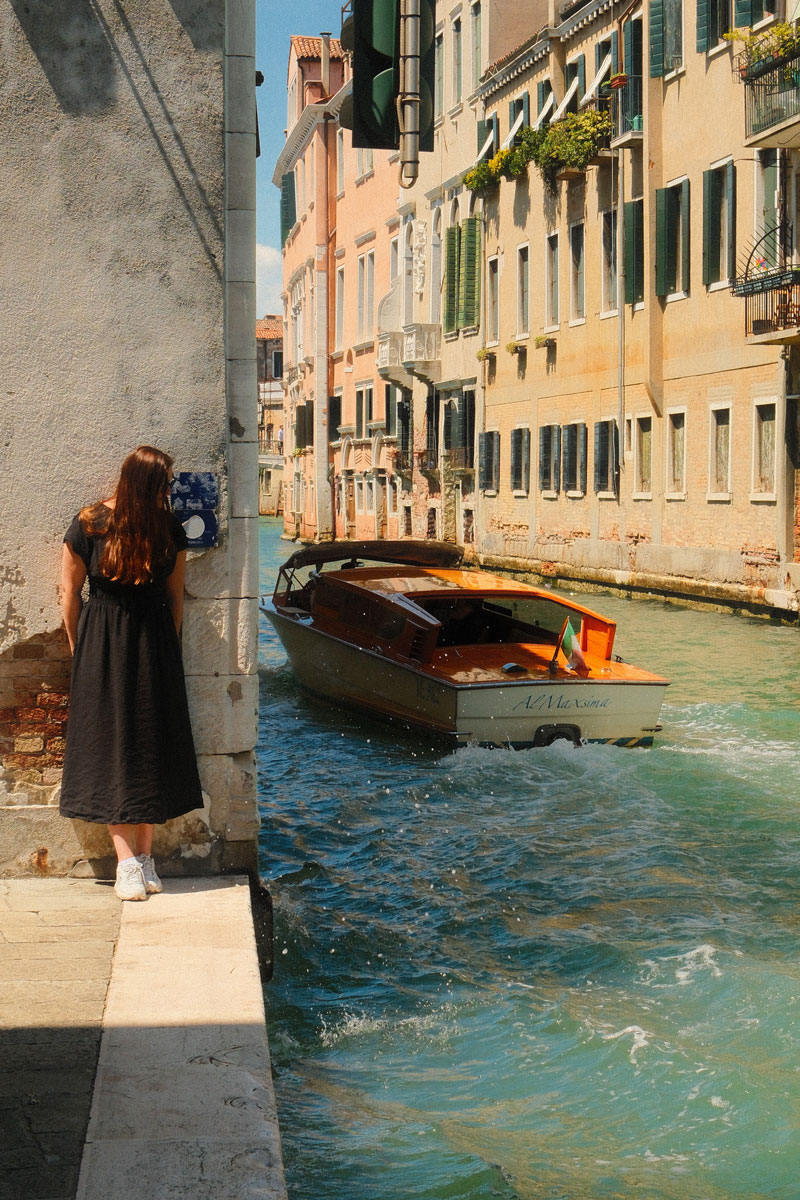
Venice is not a city to rush through with a checklist. Of course, you can see a lot in two or three days, but the city becomes much more enjoyable when you leave room to wander. Get on a vaporetto, have a drink by the water, deliberately turn into a side street and let go of your route every now and then. That is often when you discover why Venice is so special.
In this article, you will find the best things to do in Venice, beautiful neighbourhoods to explore, tips for Murano and Burano, practical information for your city break and advice on where to stay.
What to do in Venice
Venice is compact enough to explore a lot on foot, but large enough to keep surprising you for several days. The best-known sights are mainly around San Marco, Rialto and the Grand Canal. If you are looking for more peace and atmosphere, neighbourhoods such as Cannaregio, Dorsoduro and parts of San Polo are lovely.
If you are planning a trip through Italy, Venice fits well into a city break, a northern Italy itinerary or a longer holiday where you combine several cities. Venice is also easy to reach by train from cities such as Verona, Bologna and Florence.
Start at St Mark’s Square
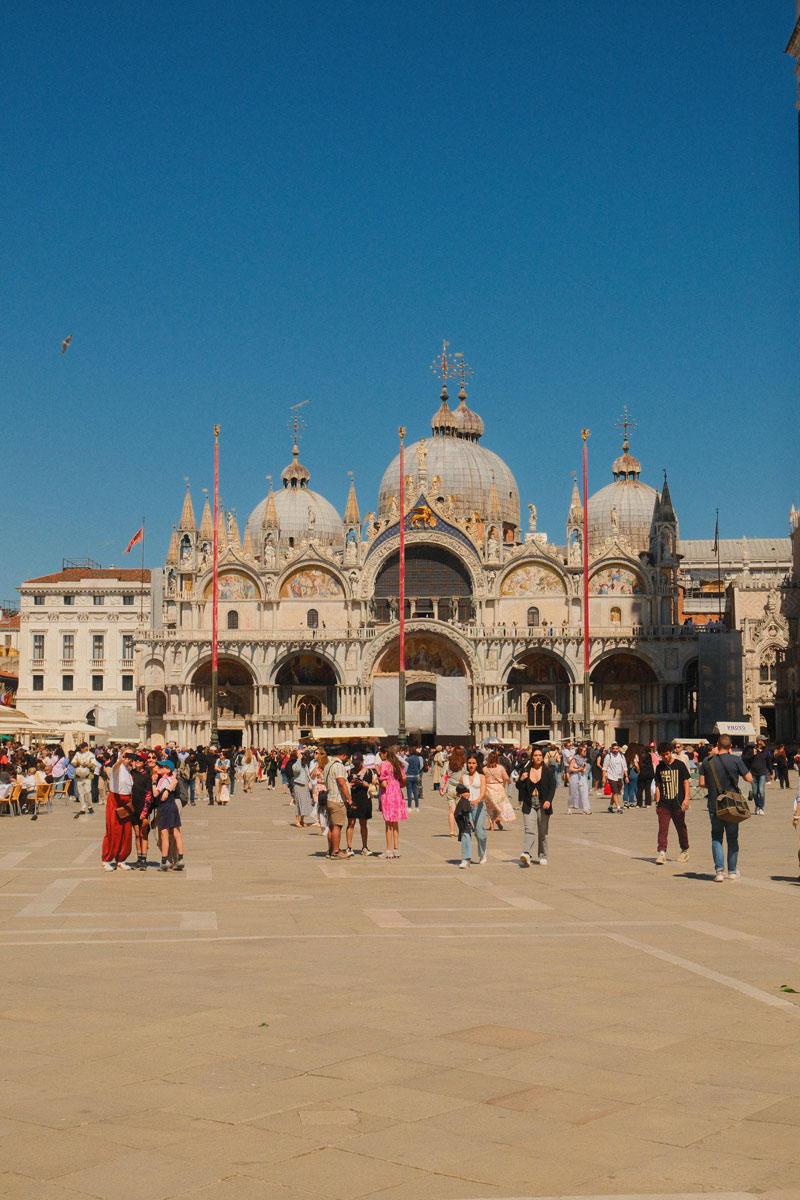
St Mark’s Square is a logical place to start a first visit to Venice. The square is large, impressive and surrounded by some of the city’s most famous buildings. Even if you have already seen many photos, it still feels special to stand here yourself. The open space, façades, arcades and location close to the water make this one of the most recognisable places in Venice.
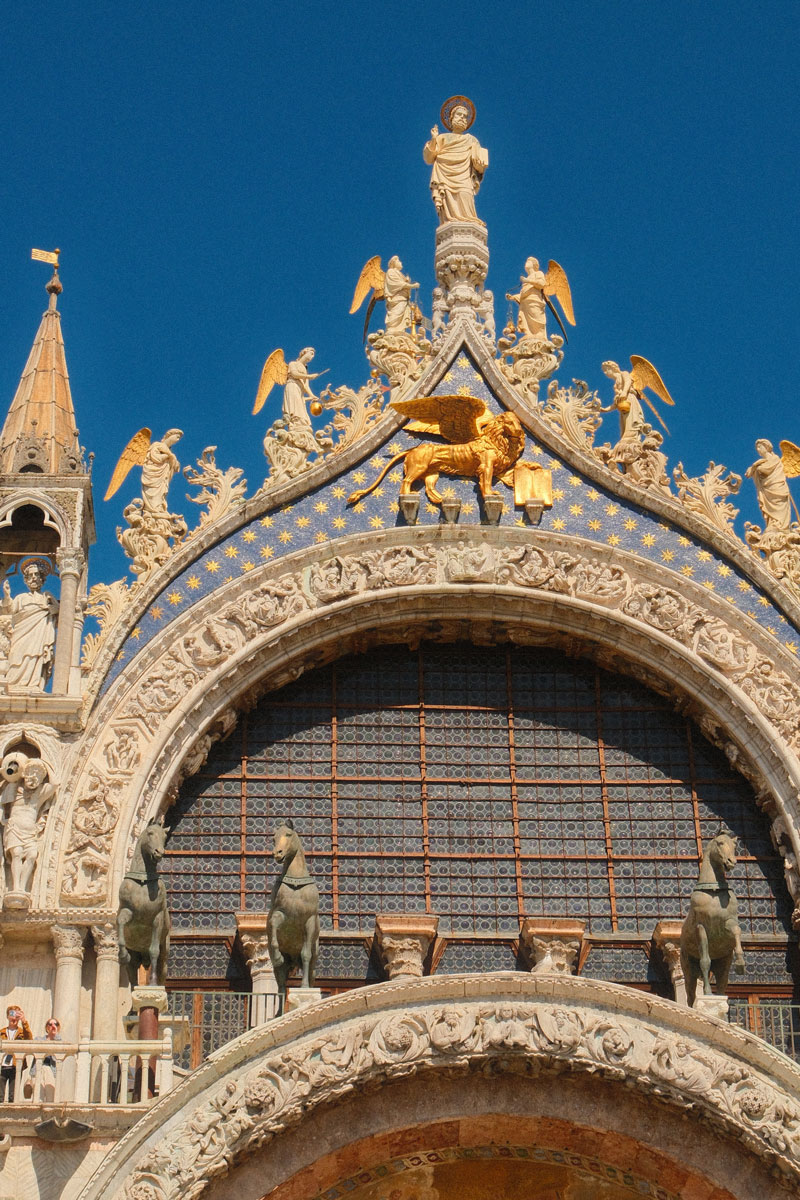
On the square, you will find St Mark’s Basilica. The outside is already beautiful, with arches, statues, marble and many details. Inside, it is all about the golden mosaics and the rich appearance. It is one of the busiest sights in the city, so try to go early in the day or book in advance if you definitely want to go inside.
The Campanile, the tall bell tower on the square, is also worth visiting. From the top, you have a beautiful view over the rooftops, the lagoon and the islands around Venice. On clear days, you really see how unusual the city’s location is: right in the water, with islands, canals and boat routes everywhere.
St Mark’s Square is often busy during the day. That is part of this place, but it can also feel overwhelming. If you want to experience the square in a quieter way, come early in the morning or later in the evening. Especially in the evening, when many day visitors have left, the area feels much more atmospheric.
Visit the Doge’s Palace and the Bridge of Sighs
Right next to St Mark’s Basilica is the Doge’s Palace. For centuries, this was the political heart of the Venetian Republic. The doge, the former ruler of Venice, lived and worked here. From the outside, the palace immediately stands out because of its light façade, elegant arches and graceful Gothic details.
Inside, you see how rich and powerful Venice once was. The halls are large, the ceilings richly decorated and the paintings impressive. A visit gives a lot of context to the city, because you better understand how important Venice used to be as a trading city and political power.
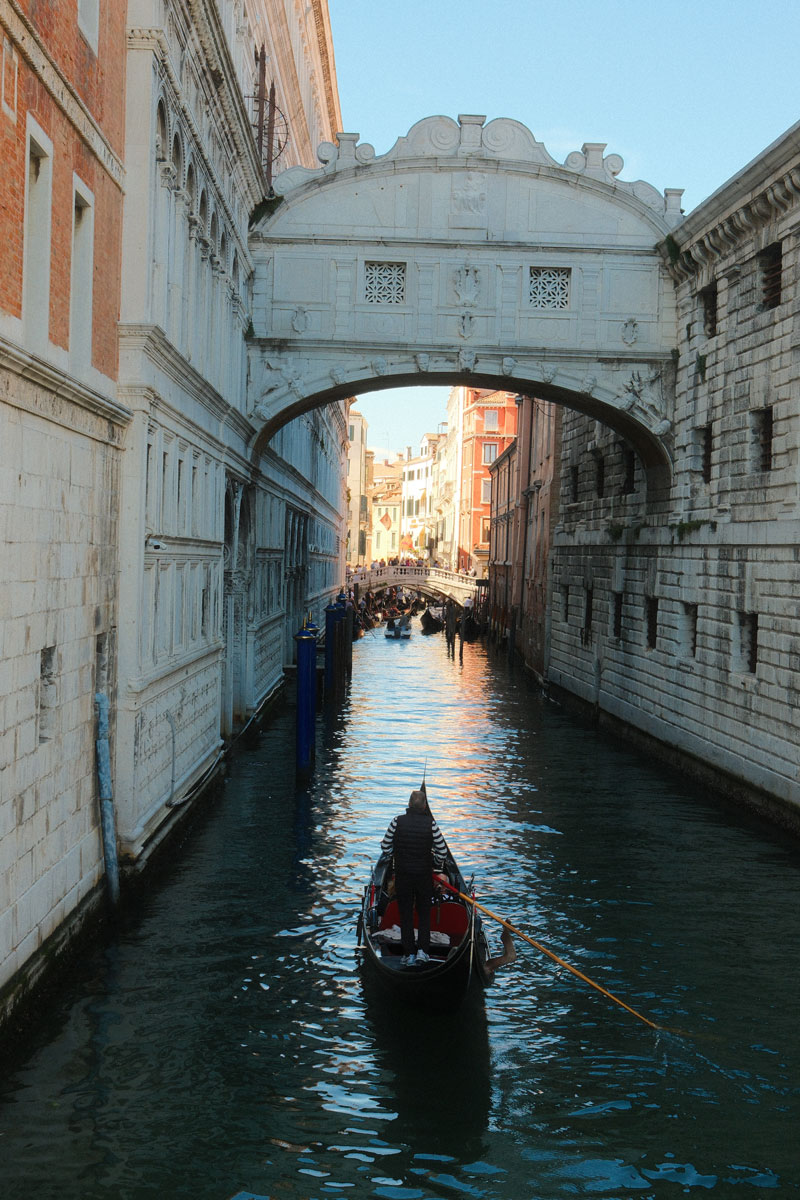
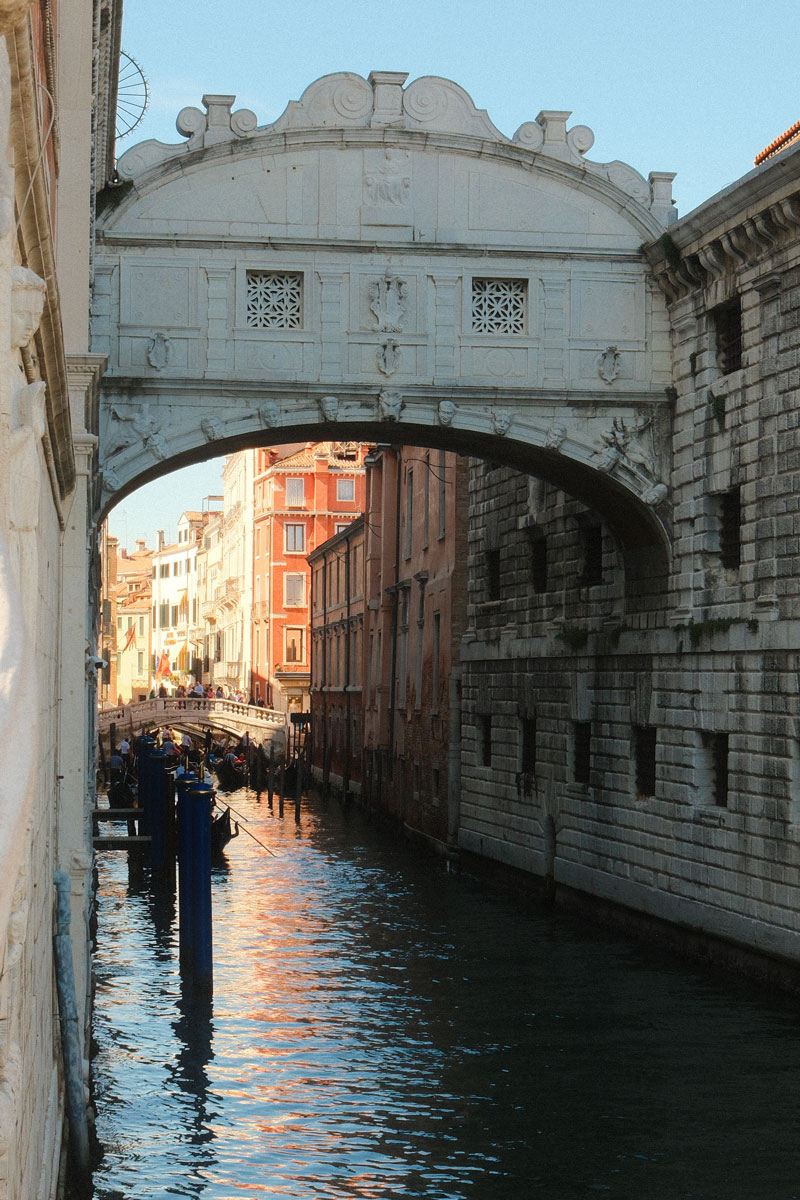
One of the best-known parts of the Doge’s Palace is the route to the old prison. Along the way, you walk across the Bridge of Sighs. The name sounds romantic, but the story is less cheerful. Prisoners crossed this bridge from the palace to their cells and are said to have had one last view of Venice from here.
Even if you do not go inside, you can see the Bridge of Sighs well from the bridge outside. It is a popular photo spot, so expect crowds. Go early or later in the day if you want a little more space.
Walk across the Rialto Bridge
The Rialto Bridge is the most famous bridge in Venice and one of the best places to look out over the Grand Canal. From the bridge, you can see gondolas, water taxis, delivery boats and vaporettos moving through the water, with historic palazzi on both sides.
The bridge itself is often busy, but the view remains special. Do not only take a photo from the middle of the bridge, but also walk through the streets around it. Around Rialto, you will find many shops, small alleyways and places to eat. The area towards the Rialto Market is especially nice to explore.
The market is most interesting in the morning, when fish, vegetables and other fresh products are sold. This is a good place to see a small piece of everyday Venice, especially if you arrive early before the biggest crowds appear.
Take a boat along the Grand Canal
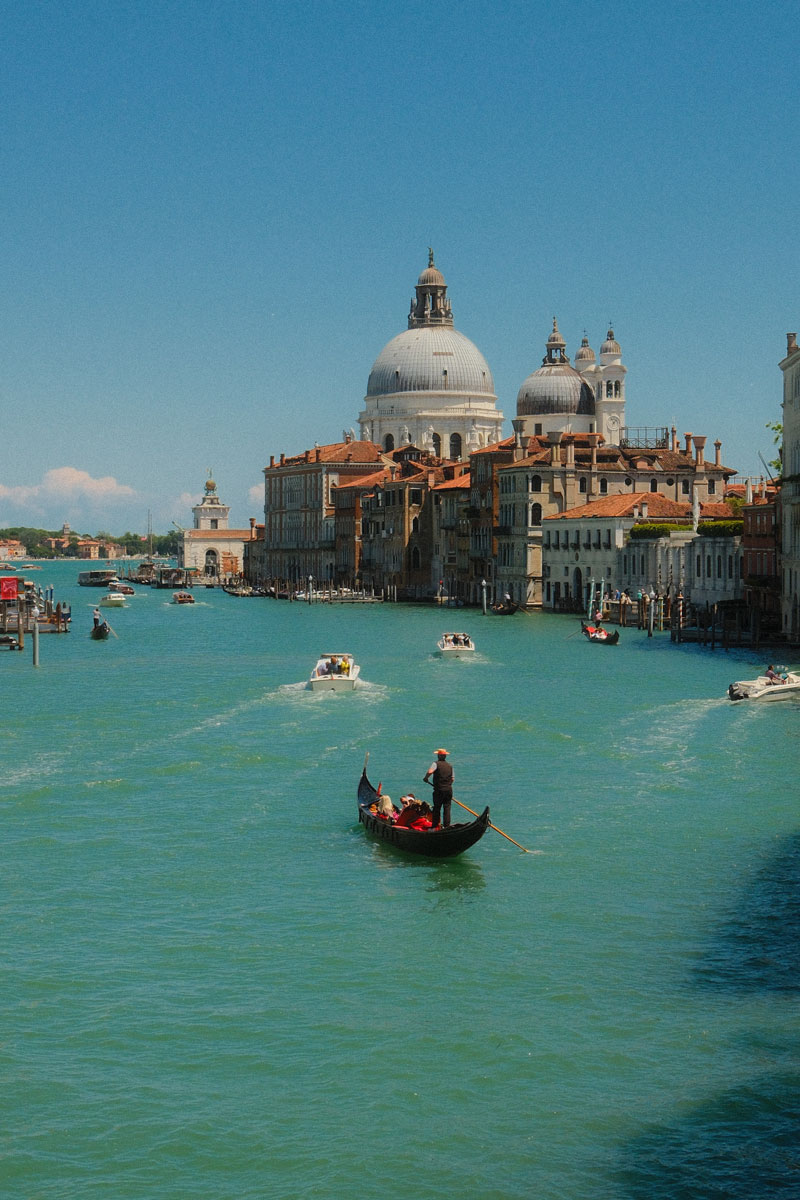
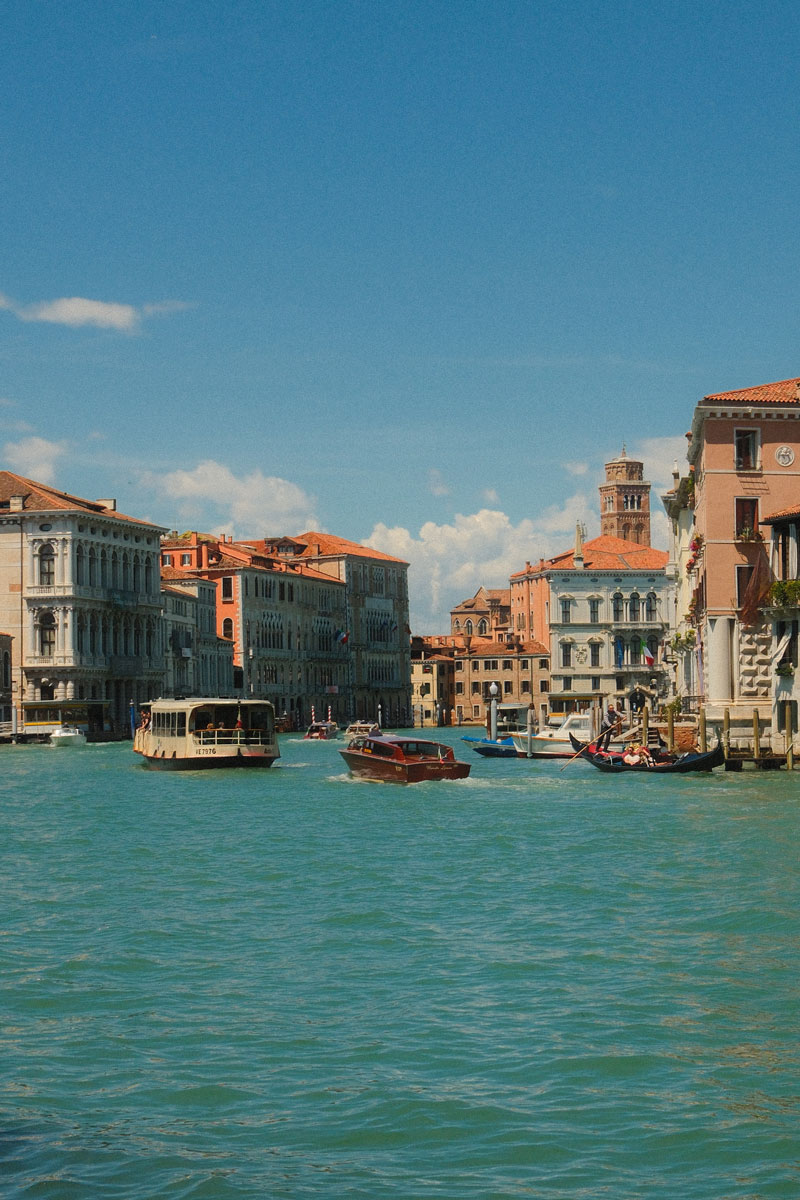
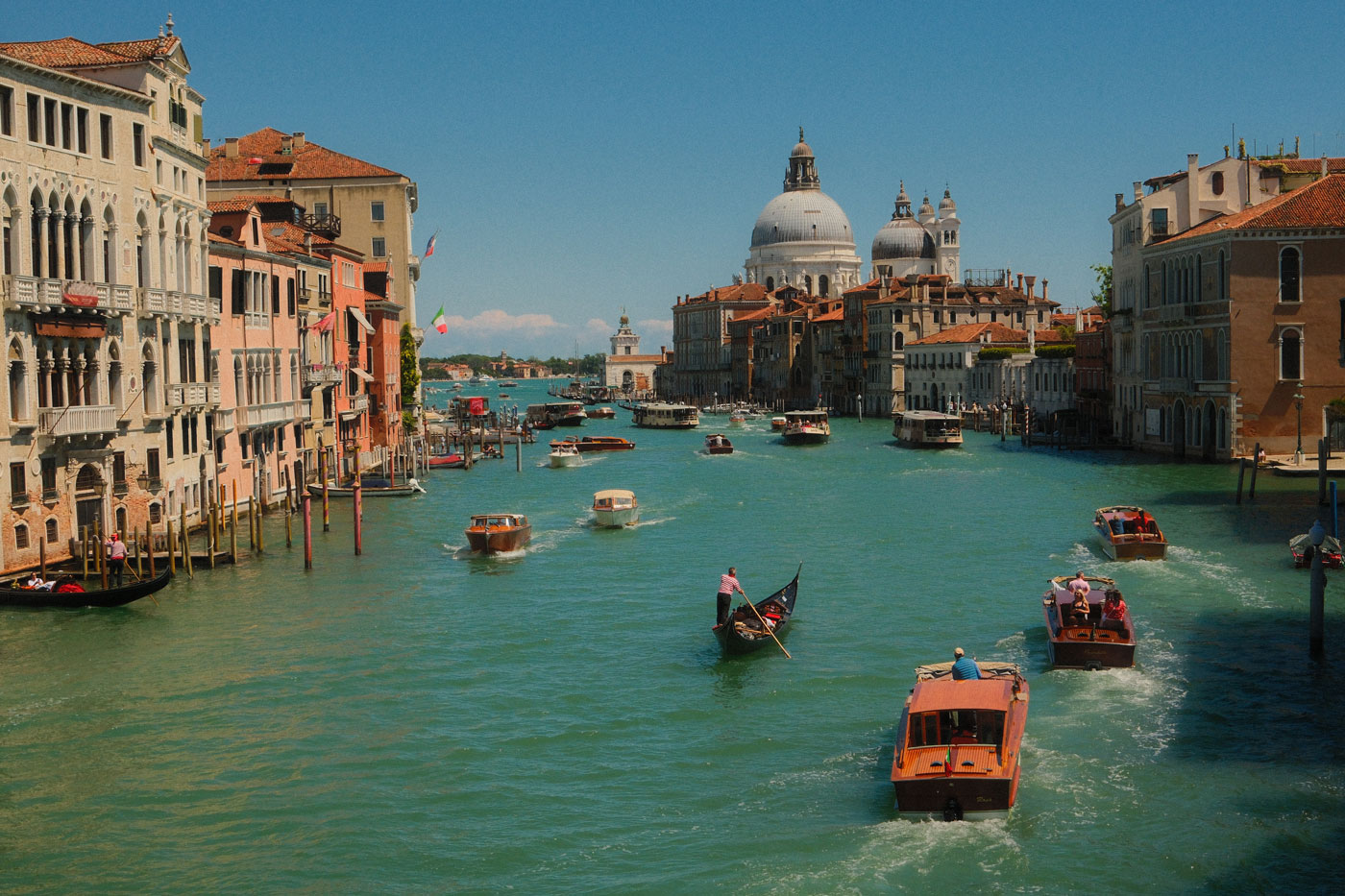
Venice is a city you really should also see from the water. The Grand Canal is the city’s main waterway and curves through the historic centre like a wide S. Along the water stand beautiful old palaces that often look even more impressive from a boat than from the street.
A gondola ride is special, but it is not the only way to experience the Grand Canal. A vaporetto is a much more affordable option. Line 1 is especially beautiful, because it moves relatively slowly along the Grand Canal and passes many well-known places along the way. It is not a guided tour, but it is a lovely way to see the city from the water.
Try to find a spot outside or by the window, and avoid boarding at the busiest moments if you really want to enjoy the view. At the end of the afternoon, the light is often beautiful, especially when the sun is lower and the façades along the water turn warmer in colour.
Take a gondola ride through the canals
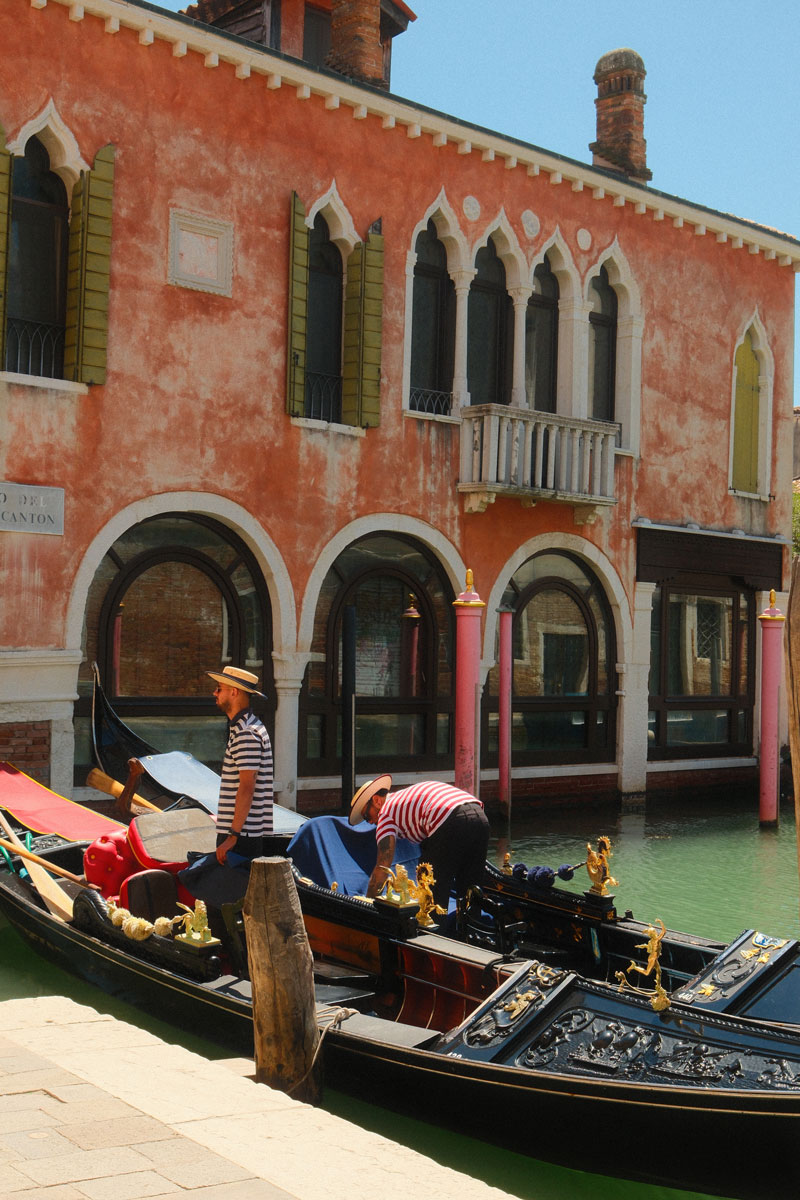
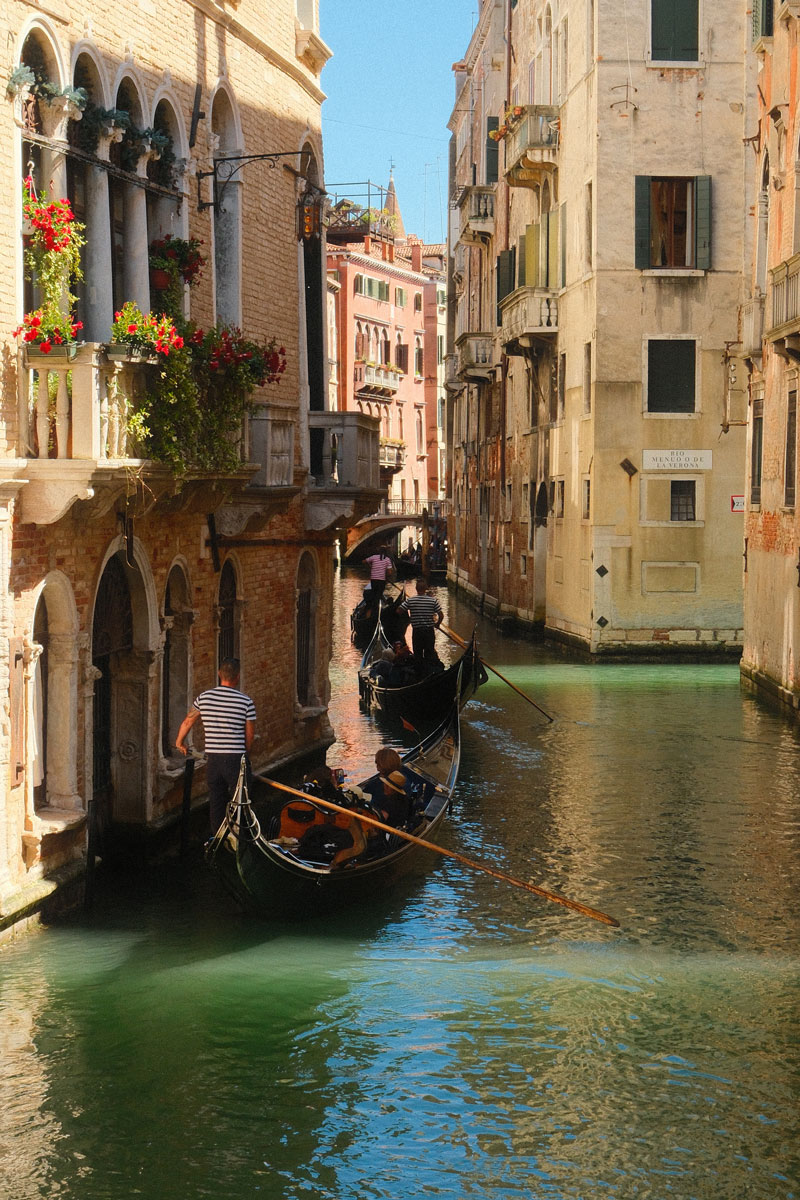
A gondola ride is touristy, but for many travellers it is still part of Venice. Especially in the smaller canals, it can be a special experience. You glide low over the water, past old façades, under little bridges and sometimes through parts of the city you might not reach as quickly on foot.
A gondola ride is not cheap. The official price is €90 for a ride of around 30 minutes during the day. In the evening, you pay €110 for about 35 minutes. This price is per gondola, not per person. Up to five people can join, so sharing makes it more affordable.
Agree clearly in advance on the route and duration. The official rates apply to a standard ride; if you want to go longer or see something specific, you will pay more. Also do not automatically expect singing or detailed explanations. Some gondoliers tell you a lot along the way, while others mostly steer quietly through the canals.
Would you like to sit in a gondola briefly, but not pay for a full ride? Look for a traghetto. This is a simple shared gondola that crosses the Grand Canal at a few points. The crossing is short, but it is a fun and cheap way to get a small taste of that classic Venetian experience.
Get deliberately lost in the streets
One of the best things to do in Venice is to walk without a strict plan. Of course, the famous sights are worth visiting, but the city often becomes most beautiful when you turn into a side street and do not know exactly where you will end up.
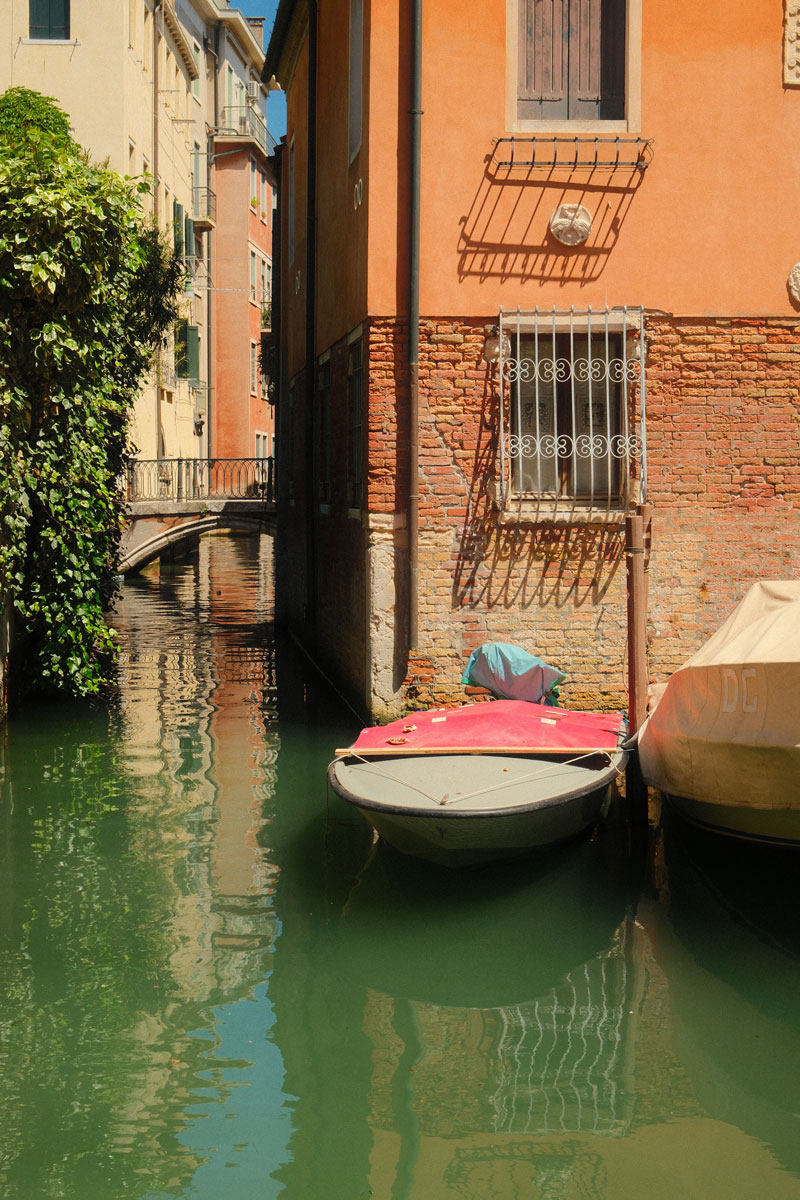
Venice is full of narrow alleyways, small bridges, quiet squares and hidden corners. Sometimes you walk just a few minutes away from a busy route and suddenly find yourself somewhere almost silent. It is exactly this contrast that makes the city so special.
Getting lost here is not a problem either. Eventually, you will always end up at a canal, square or sign pointing towards Rialto, San Marco or the station. So put your navigation away every now and then and simply choose the street that looks interesting. This often leads to better moments than following a tightly planned route.
The most beautiful neighbourhoods in Venice
Cannaregio: quieter, atmospheric and more local
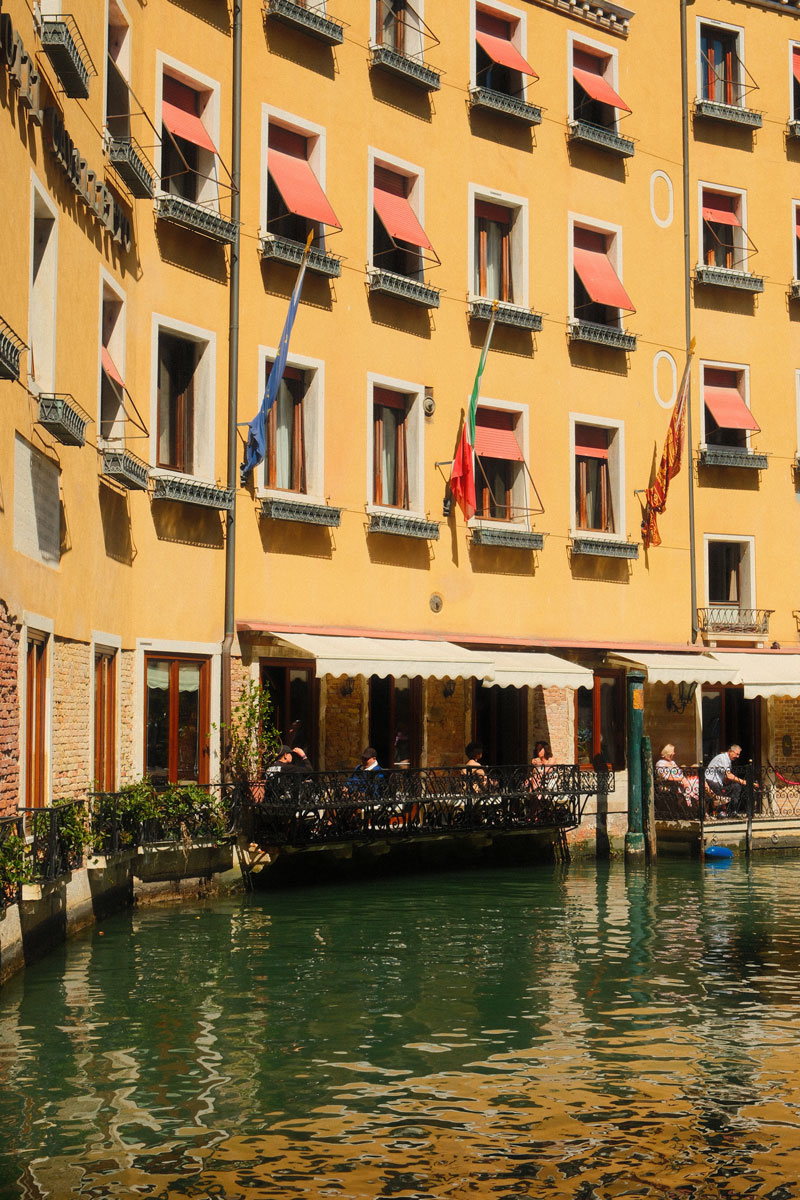
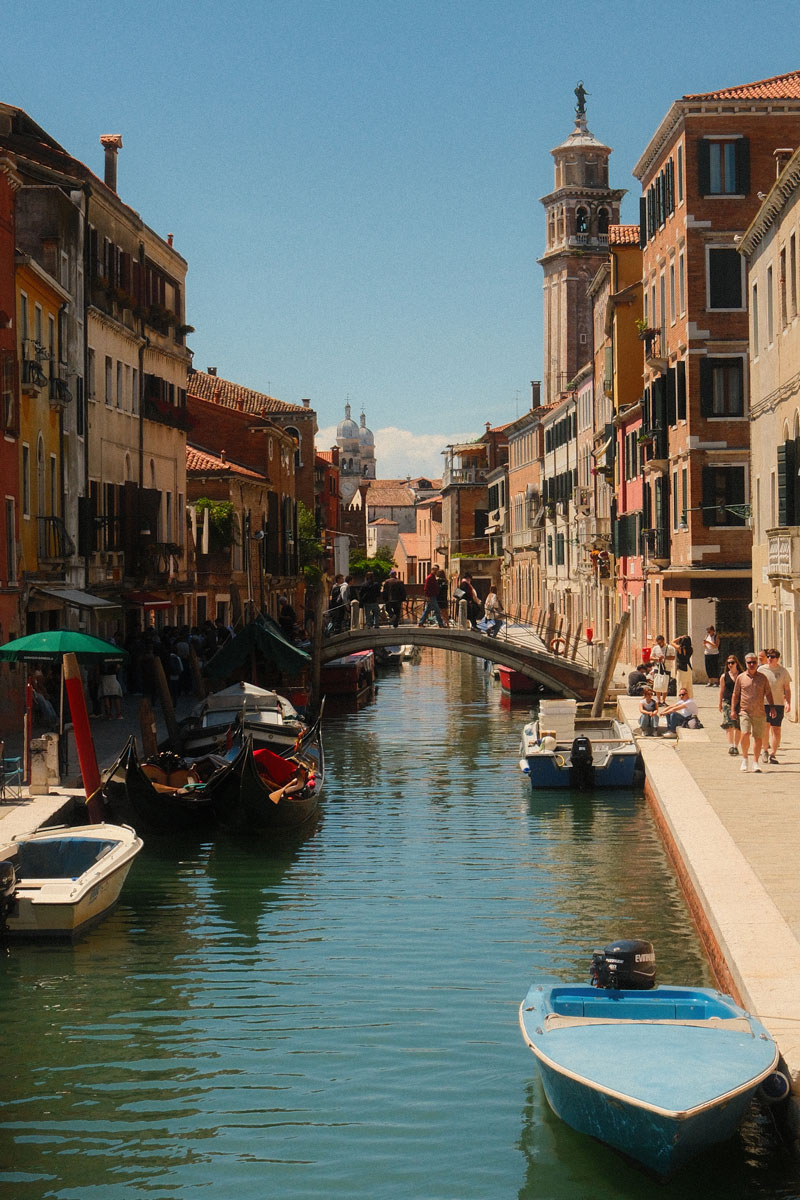
Cannaregio is a lovely neighbourhood if you want to see a calmer side of Venice. It is located north of the busiest route between the station, Rialto and San Marco. Because of that, it feels less crowded in many places, while still having plenty of atmosphere.
You will find beautiful canals, small bridges, cosy bars and restaurants, and streets where residents also spend time. The area around Fondamenta della Misericordia and Fondamenta dei Ormesini is especially nice for a drink at the end of the afternoon or early evening.
Cannaregio is also home to the historic Jewish Ghetto of Venice. This part of the city has its own history and atmosphere, with quiet squares, synagogues and narrow streets. It is a valuable contrast to the better-known sights around San Marco.
Dorsoduro: art, views and lovely squares
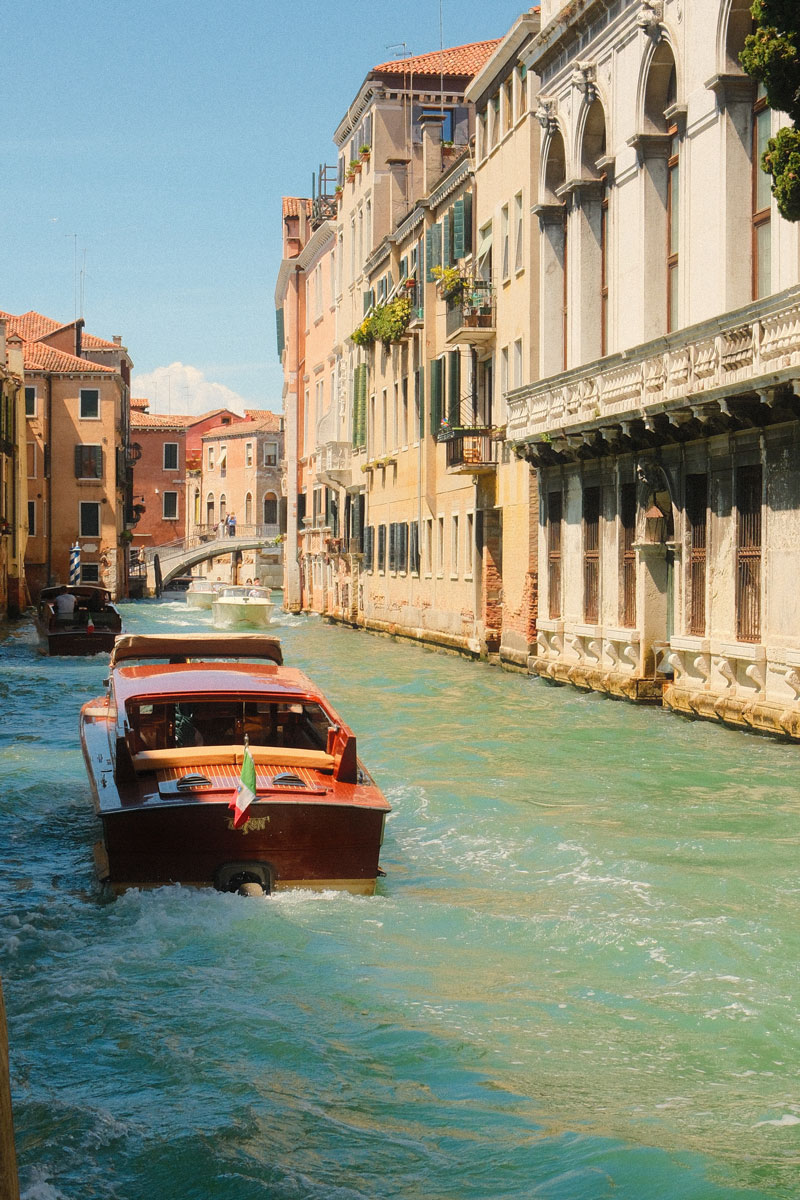
Dorsoduro is one of the nicest neighbourhoods in Venice if you enjoy a more relaxed atmosphere. It is located on the south side of the historic centre and has many beautiful streets, squares, museums and places by the water.
One of the most beautiful areas is around the Basilica di Santa Maria della Salute. From here, you look across the water towards San Marco. It is a lovely place to pause for a moment, especially at the end of the day.
Dorsoduro is also known for museums such as the Gallerie dell’Accademia and the Peggy Guggenheim Collection. But even without visiting a museum, the neighbourhood is worth your time. Walk along the Zattere, sit down on a terrace or find a quiet square. After the crowds around San Marco, Dorsoduro often feels like a breath of fresh air.
San Polo: central and lively
San Polo lies around the Rialto Bridge and is one of the most central neighbourhoods in Venice. You will probably end up here naturally, but it is worth looking beyond just the bridge.
The neighbourhood has many small alleyways, squares and places to eat. Around Rialto it is busy, but a little further away you quickly find quieter streets. San Polo is especially nice early in the day, when the market is open and the city is slowly waking up.
San Polo is also convenient if you have limited time. You are close to the Grand Canal, Rialto and many routes towards San Marco, Cannaregio and Dorsoduro. This makes it a good neighbourhood to walk through during a compact route through the city.
Castello: just outside the busiest route
Castello lies east of San Marco and is often visited less extensively than the better-known neighbourhoods. Still, it is an interesting part of Venice, especially because the atmosphere changes quickly once you leave the busiest streets behind.
Close to San Marco, it is still lively, but further east you reach quieter squares, residential streets and the broad walking route along the water. The Giardini, where part of the Biennale takes place, are also located in this neighbourhood.
Castello is especially nice if you have already seen some of the famous places and feel like going for a walk without huge crowds. Here, you clearly notice that Venice is more than just its famous highlights.
Take a trip to Murano and Burano
If you have more than two days in Venice, a trip to Murano and Burano is a lovely addition. These islands are located in the lagoon and show a completely different side of Venice. The boat trip there is already enjoyable, because you slowly leave the city behind and head out into the lagoon.
Murano is known for glass. Glass has been made here for centuries, and in many places you will see shops, workshops and demonstrations. The island is quieter than the centre of Venice and nice to walk around. Do pay attention to quality and origin in glass shops, because not everything sold there is automatically made locally.
Burano is especially famous for its brightly coloured houses along the canals. The island is photogenic, cheerful and very different from the historic centre. Do not only walk through the busiest streets, but also turn into the side streets. That way, you see more of ordinary island life.
If you want to visit both islands, allow enough time. It can be done as a half-day trip, but a slower pace is nicer. Burano is a bit further away, so do not plan your route too tightly. With a day or multi-day vaporetto pass, this kind of trip is often more practical than buying separate tickets.
Food and drinks in Venice
A city break to Venice is not only about sightseeing. Food and drinks are part of the experience too. The city has plenty of touristy restaurants, but also many pleasant places where you can eat well and relaxed.
Typical Venetian snacks are cicchetti. These are small bites that you eat with a glass of wine, prosecco or spritz. You often find them in bacari, simple Venetian wine bars. It is a fun way to try several flavours without sitting down for a long dinner straight away.
For cicchetti and a drink, Cannaregio, San Polo and Dorsoduro are often nicer than the very busiest streets around San Marco. Walk a few streets away from the main route, look for places that feel lively and avoid restaurants where someone actively tries to lure you in with a large photo menu.
Venice is not cheap, especially not on the most famous squares. A drink in a well-known location can be fun for the experience, but expect higher prices. If you want better food for a more normal price, look in quieter neighbourhoods and book popular restaurants in advance.
Practical tips for your Venice city break
How many days do you need in Venice?
For a first city break, two to three full days is ideal. In two days, you can see the best-known places, such as San Marco, the Doge’s Palace, the Rialto Bridge, the Grand Canal and a few atmospheric neighbourhoods. With three days, you have more time and can also visit Murano and Burano.
If you only have one day in Venice, choose a compact route. Start early at San Marco, see St Mark’s Basilica and the Doge’s Palace from the outside or inside, walk past the Bridge of Sighs, continue towards Rialto, take a boat along part of the Grand Canal and finish in Cannaregio or Dorsoduro for a calmer end to the day.
Try not to cram everything into one day. Venice is beautiful, but because of the bridges, narrow streets and crowds, it often takes longer to get around than you expect. The city becomes much more enjoyable when you leave some space in your planning.
Getting around Venice
In the historic centre of Venice, you do almost everything on foot or by boat. Cars do not drive here. From Santa Lucia station, you can walk straight into the city, and from Piazzale Roma you are also immediately close to pedestrian routes and vaporetto stops.
The vaporetto is Venice’s water bus. It is useful for longer distances, trips along the Grand Canal and visits to islands such as Murano, Burano and Lido. A single ticket is relatively expensive, so if you plan to take the boat several times a day, a day or multi-day pass can be better value.
For short distances, walking is usually the most enjoyable option. Do keep bridges and steps in mind, especially if you are travelling with heavy luggage. Not every route is convenient with a suitcase. Choose accommodation that is easy to reach from a vaporetto stop or from the station if you can.
Check the access fee for day visitors
On selected busy days, Venice uses an access fee for day visitors. This mainly applies to travellers who do not stay overnight in Venice and visit the historic city during the day. The scheme does not apply every day, but only on designated days and within specific times.
If you stay overnight in Venice or in the municipality of Venice, you usually already pay tourist tax through your accommodation. You may then be exempt, although in some cases you still need to register the exemption. Always check the official rules for your travel day before departure.
This is especially important if you visit Venice as a day trip from places such as Mestre, Verona, Lake Garda or a cruise route. By checking in advance, you avoid hassle on arrival and know whether you need to arrange a payment or exemption.
Best time to visit Venice
Venice is special all year round, but the experience differs by season. Spring and autumn are often the most pleasant. Temperatures are usually more comfortable and the city feels less intense than during the hot summer months.
In summer, Venice can be very busy and hot, especially around San Marco, Rialto and the routes between them. Plan your main sights early in the day and look for quieter neighbourhoods or places by the water in the afternoon.
Winter has a different charm. It can be cold and misty, but also atmospheric and calmer. Keep acqua alta in mind, the temporary high-water events that can flood parts of the city. Check local information if in doubt, especially if you travel in autumn or winter.
Tips to avoid the crowds
Venice is popular and can be genuinely crowded at certain times. Still, there is a lot you can do to experience the city more pleasantly. Start your day early, especially if you want to take photos or see famous places with fewer people. Around sunrise and in the early morning, the city is often beautiful.
Stay at least one night if you can. During the day, many day visitors come into the city, but in the evening it becomes quieter in many places. That is when Venice is at its most beautiful, with illuminated bridges, quieter canals and a much more relaxed atmosphere.
Also deliberately choose neighbourhoods outside the standard route. Cannaregio, Dorsoduro and Castello often give you more space. You only need to walk a few streets away from the busiest places to see a completely different side of Venice.
Where to stay in Venice
The best place to stay in Venice depends on your budget, travel style and how much you want to walk. If you want to stay in the middle of the city and do many sights on foot, San Marco, San Polo and Dorsoduro are convenient choices. You often pay more there, especially on popular travel dates.
San Marco is practical if you want to sleep close to the most famous sights. It is busy and usually more expensive. San Polo is central and atmospheric, with good connections towards Rialto, the station and other neighbourhoods. Dorsoduro is a good choice if you want to stay somewhere a little quieter, but still within walking distance of many beautiful places.
Cannaregio is often a good balance between atmosphere, accessibility and a little more peace. The neighbourhood is lively, has many places to eat and is convenient if you arrive by train. Especially for a second visit or a slightly more relaxed city break, Cannaregio is a lovely base.
If you are travelling on a smaller budget, you can look at Mestre on the mainland. Accommodation is often cheaper there and you can quickly reach Venice by train or bus. The downside is that you do not get the same atmosphere as when you stay in the city itself. If your budget allows it, at least one night in Venice itself is really worth it. Especially early in the morning and late in the evening, the city is at its most beautiful.
Is Venice worth visiting?
Venice is absolutely worth visiting, especially if you do not only see the city as a list of famous places. Yes, it is busy. Yes, some parts are touristy. And yes, sometimes you need to look a little harder for quiet streets and good restaurants. But the city is also unique in a way you will find almost nowhere else.
The combination of water, old palaces, bridges, squares, boats and car-free streets makes Venice special. Start early, stay overnight if you can, take time for neighbourhoods outside the busiest route and do not plan everything too tightly. Then you discover that Venice is much more than San Marco and gondolas.
Whether you come for art and history, romantic canals, beautiful photos, good food or simply a very special city break, Venice is a city you should experience slowly. And exactly when you are not entirely sure where you are walking, there is a good chance you will come across one of the best moments of your trip.