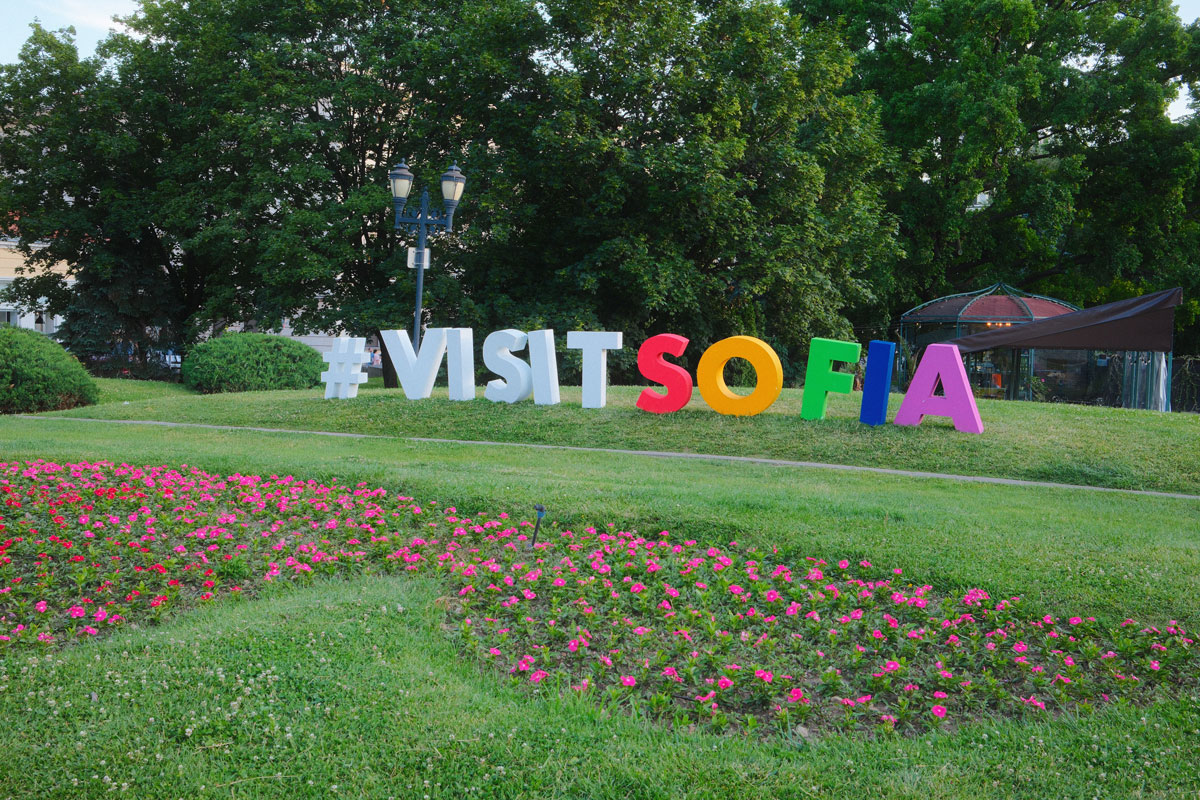
Sofia is one of those cities that may surprise you more than you expect. Bulgaria’s capital feels sunny, affordable, young and wonderfully relaxed. There are parks, terraces, wide squares and people meeting outside everywhere. At the same time, you can easily walk past huge cathedrals, Roman ruins, colourful trams, grand buildings, mineral water fountains and lively streets full of cafés.
What makes Sofia especially nice for a city break is how compact it is. Many of the main sights are within walking distance of each other, so you do not need to plan too much. You simply start walking and keep coming across something new. You can go from Alexander Nevsky Cathedral to Sofia University, continue through City Garden to the Ivan Vazov National Theatre and then walk on to the Roman remains at Serdica. Along the way, you can grab a coffee in a park, have lunch on a terrace or step inside a church for a quick look.
Sofia is not a city where everything feels perfectly polished. That is exactly what makes it interesting. You see beautiful buildings next to rougher streets, old churches beside wide socialist-era squares and local mineral water fountains close to major sights. Because of that, Sofia feels real, accessible and surprisingly varied.
Why Sofia is great for a city break
Sofia is ideal if you are looking for an affordable European city break that feels a little different from the usual classics. The city has culture, history and atmosphere, but it never feels complicated or overwhelmingly busy. On sunny days, Sofia really comes alive outdoors. Parks fill up, people drink coffee on benches, street musicians play on Vitosha Boulevard and the fountains give the centre a relaxed city feel.
Sofia is also very practical. You can do a lot on foot, public transport is cheap and with two full days you can already see a surprising amount. If you have three days, you can easily add a day trip to Rila Monastery.
How to get from Sofia Airport to the city centre
Getting from Sofia Airport to the city centre is easy. You can take public transport into the city and check in contactlessly with your bank card. A single ride on bus 84 costs €0.80, which makes Sofia a very convenient destination for a short weekend away. You do not need to arrange an expensive airport transfer.
Do keep in mind that luggage, transport and hotel check-in will take some time when you arrive. If you arrive in the evening, it is still worth heading out for a first walk. City Garden, the Ivan Vazov National Theatre and Vitosha Boulevard are lovely places to get a first feel for Sofia in the evening light.
What to do in Sofia
Sofia has many sights that are close together, which makes it easy to explore much of the centre as a walking route. Below you will find the best places to visit in Sofia, with practical tips for each stop.
Alexander Nevsky Cathedral
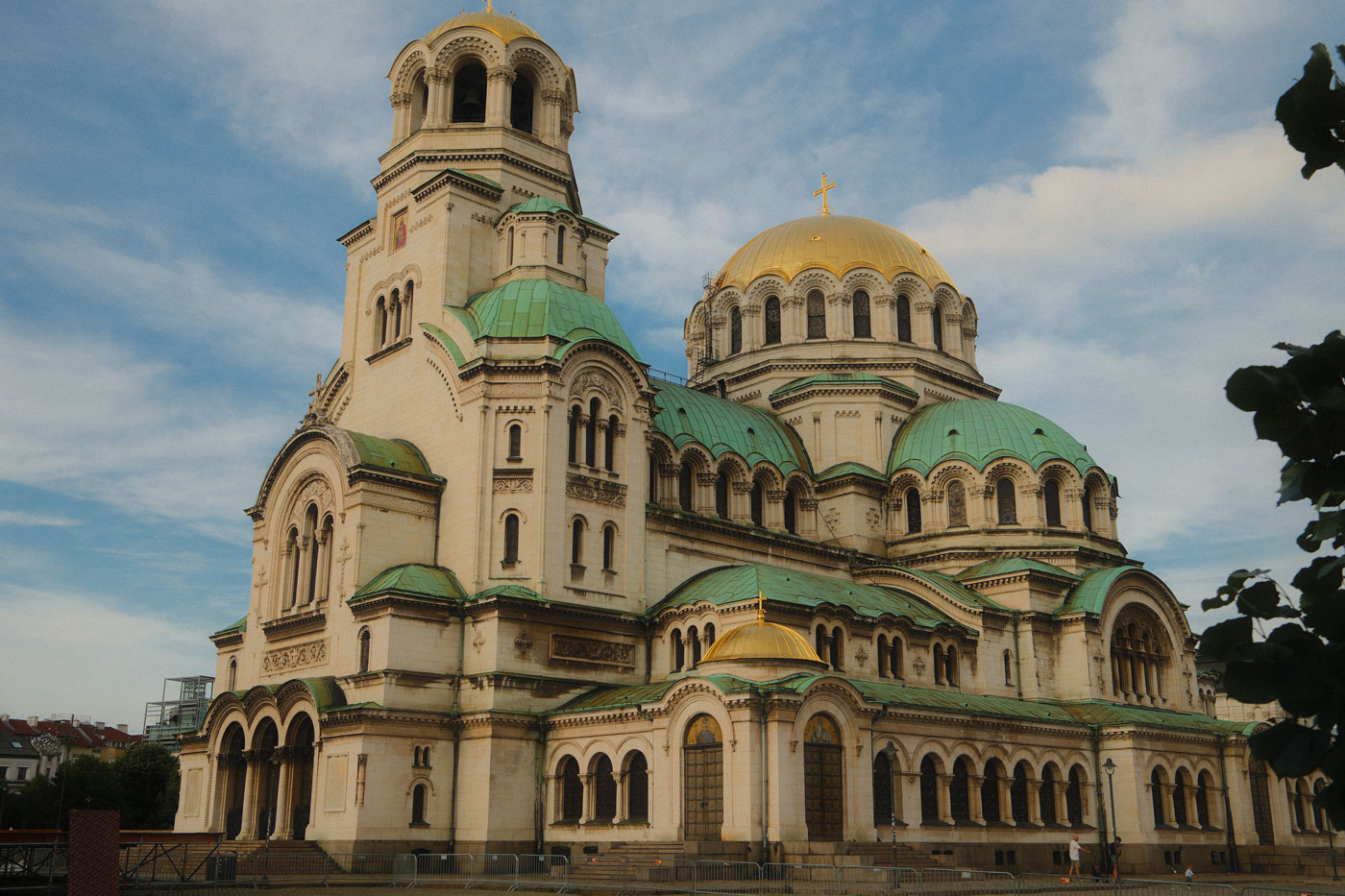
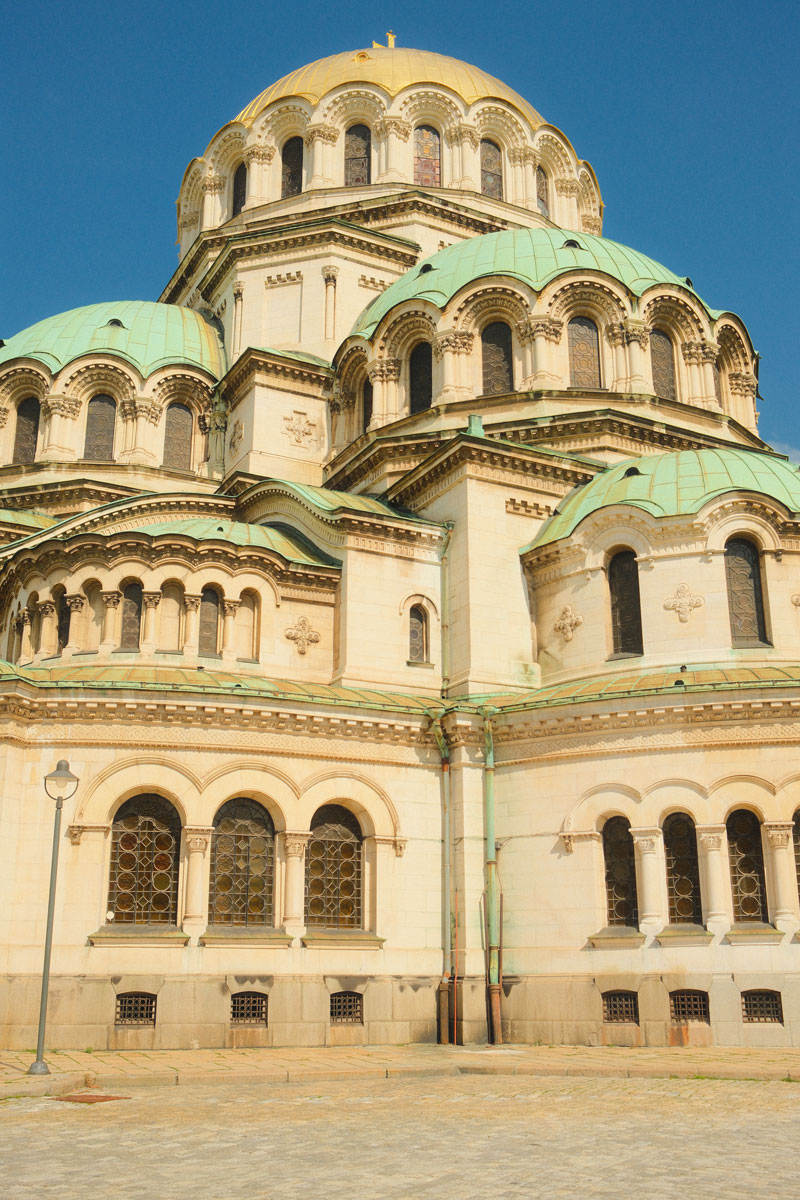
Alexander Nevsky Cathedral is Sofia’s most famous building and probably the place where your city break really begins. The cathedral is enormous, with golden domes, wide steps and a large square around it. It is impressive up close, but also beautiful from a little further away, because that is when you really see its size.
The cathedral is free to enter. Inside, it is dark, simple and atmospheric, with Orthodox icons, candlelight and high arches. Even if you do not stay long, it is worth stepping inside.
Next to the cathedral, you will often find a small market with icons, paintings, antiques, books and souvenirs. It is not a huge market that you need to set aside lots of time for, but it is nice to browse if you are already at the cathedral.
Photo tip: Go early in the morning or around golden hour. In the morning it is quieter, while the warm evening light makes the domes and façade look extra beautiful.
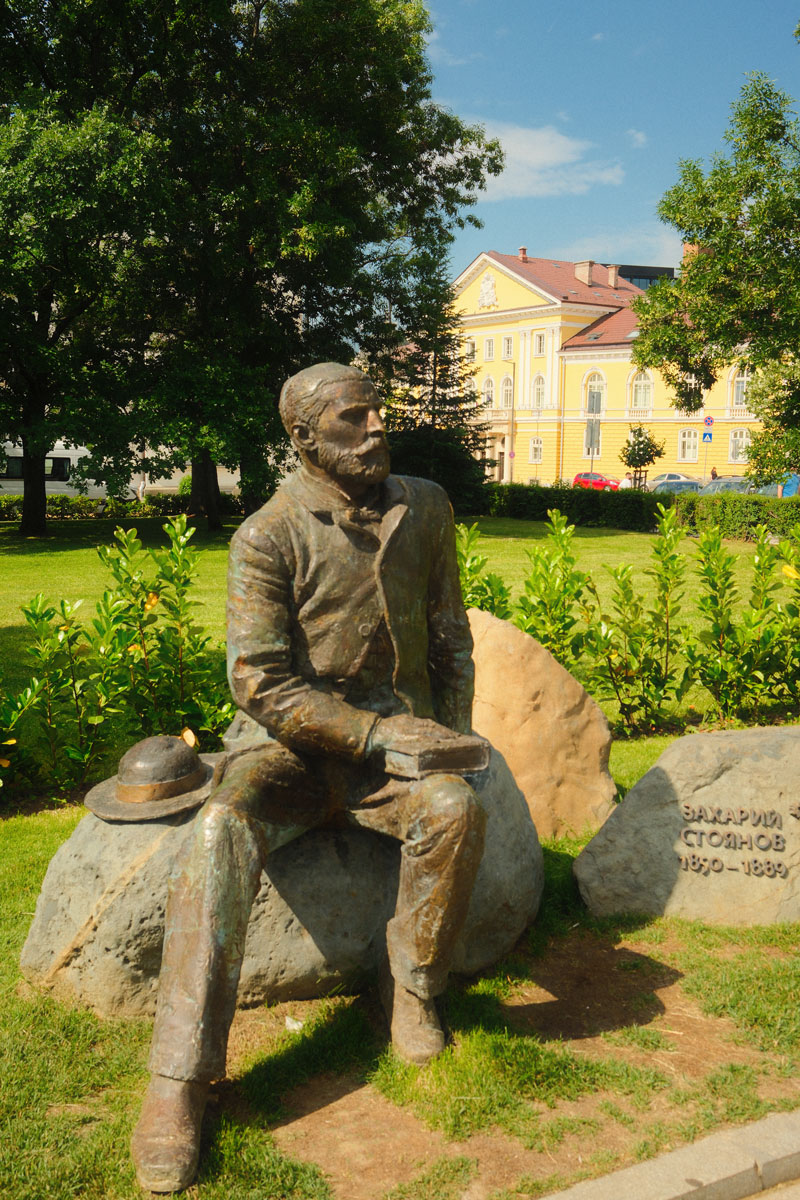
Saint Sofia Church
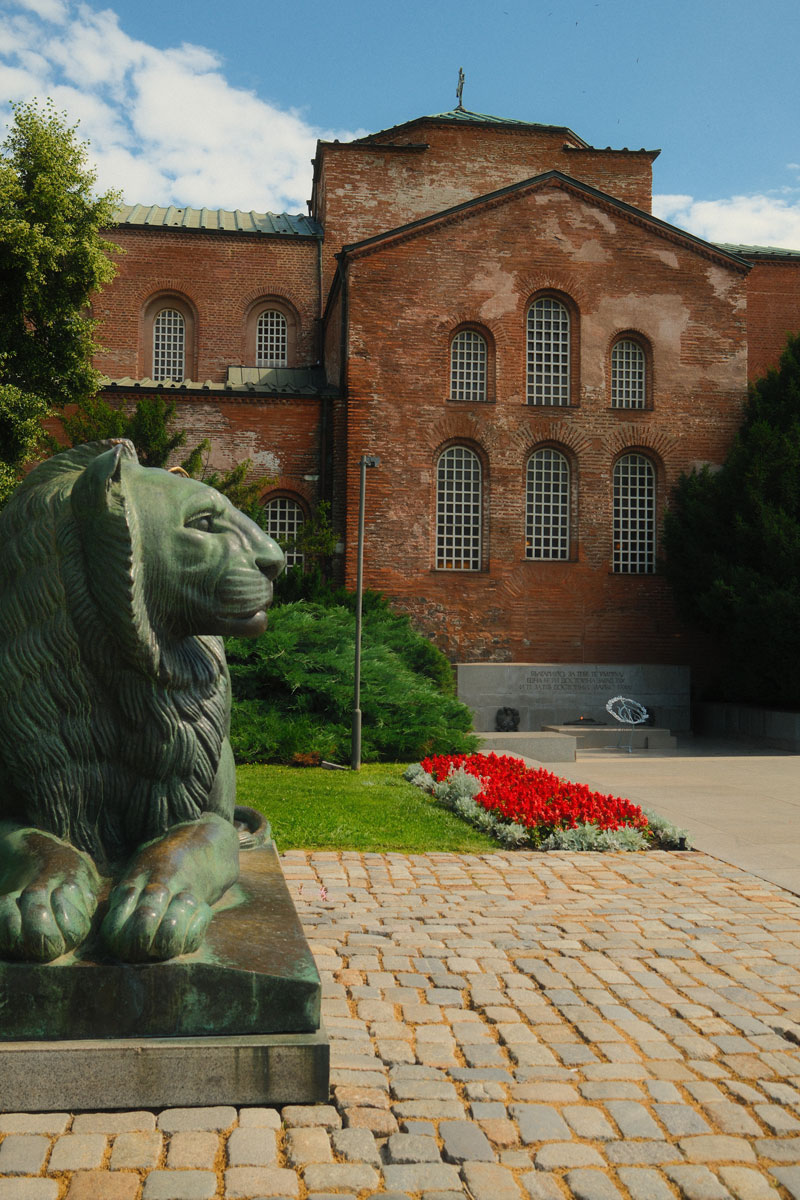
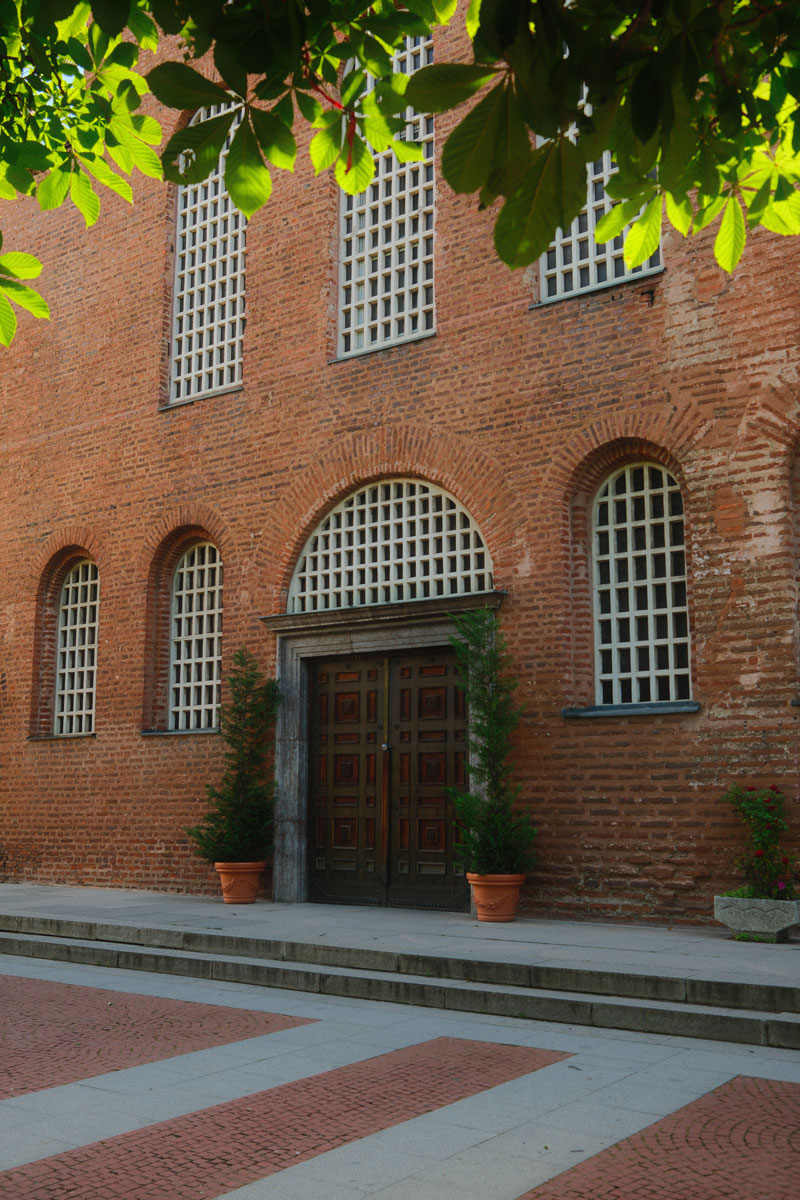
Close to Alexander Nevsky Cathedral, you will find Saint Sofia Church. This church looks much more understated than the cathedral, but historically it is very important. It is one of the oldest churches in the city and Sofia’s name is connected to this place.
The church is a good short stop while walking through this part of the centre. Its simple brick exterior gives it a very different feel from the richer and more striking churches elsewhere in the city.
Did you know? Sofia is not named after a person, but after this church and the holy wisdom the name refers to.
Sofia University
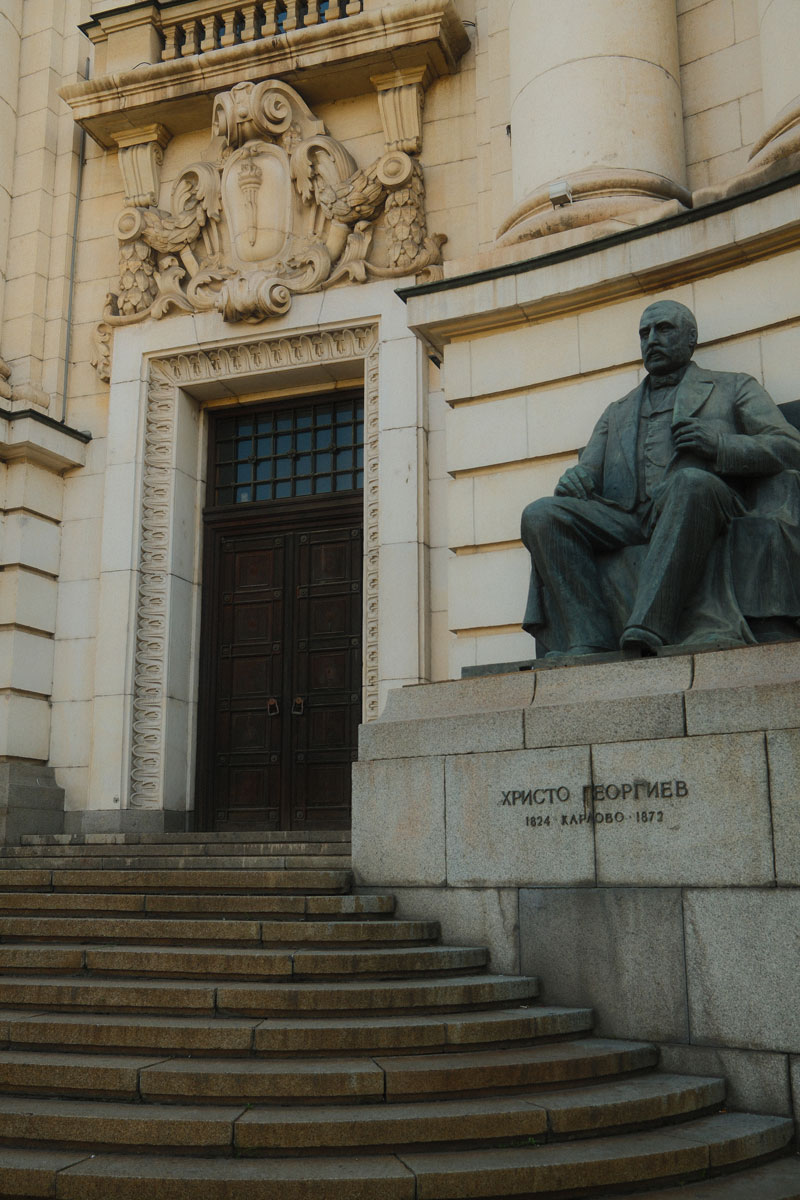
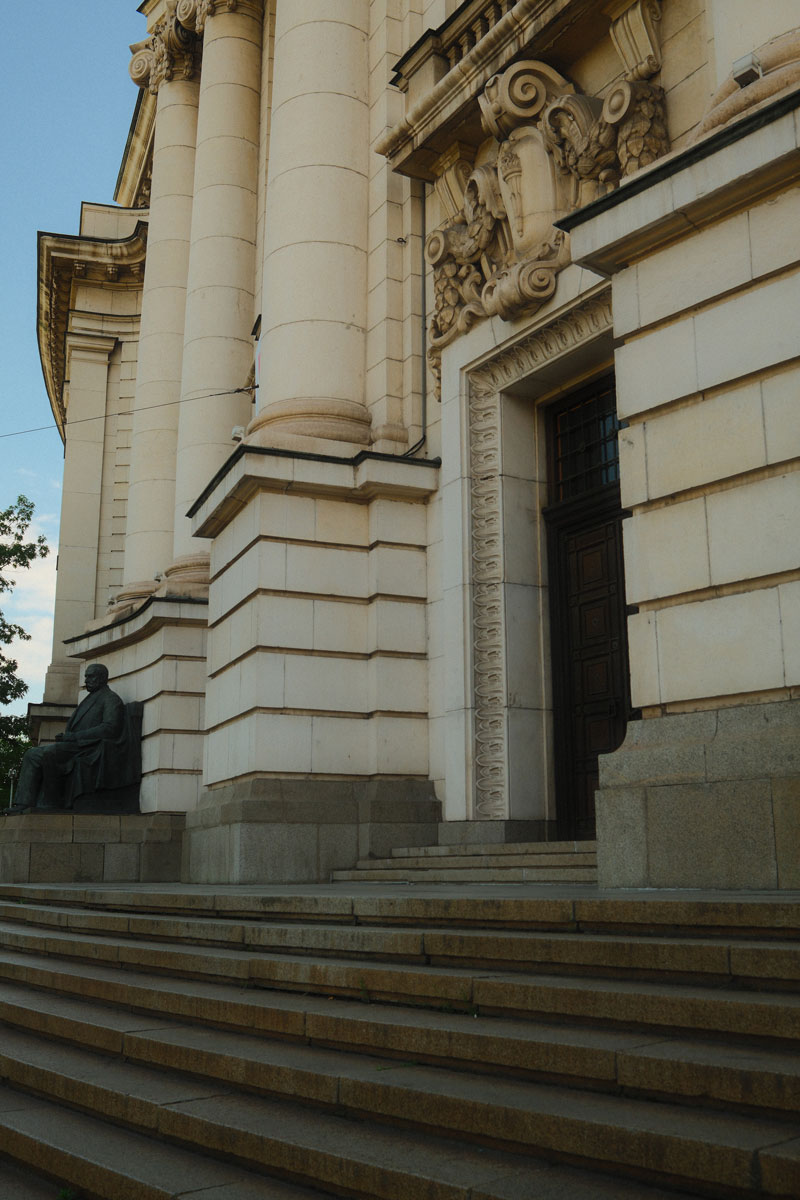
Sofia University is a short walk from the cathedral and is one of the most elegant buildings in this part of the city. The area feels spacious and monumental, with wide avenues, trams, yellow paving stones and impressive façades.
This is not necessarily a place where you will spend a long time, but it gives your walk a different atmosphere. After the churches around Alexander Nevsky, you see more of Sofia’s academic and urban side here.
Tip: Do not only look at the university building itself, but also at the streets around it. The trams, broad avenues and yellow paving stones make this a beautiful part of Sofia.
National Library
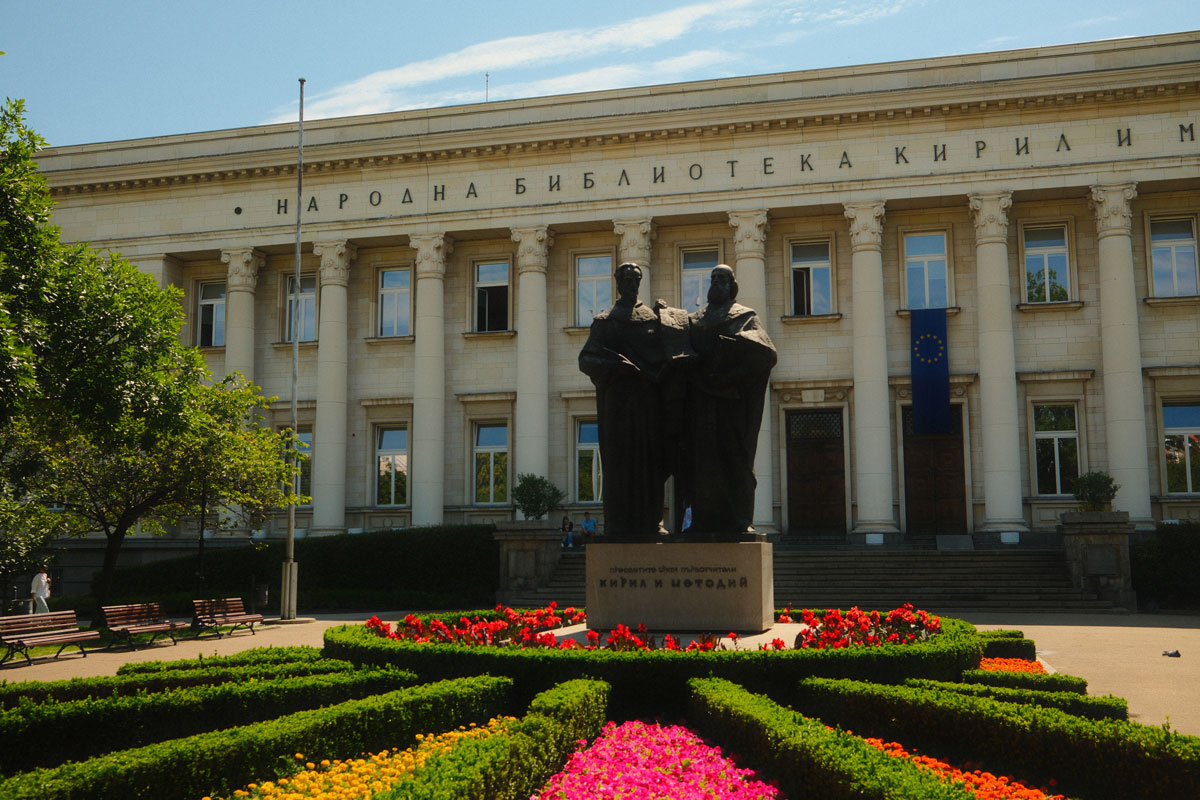
Near Sofia University, you will find the National Library. The building is grand and fits well with the monumental feel of this neighbourhood. For a first city break, you do not necessarily need to go inside, but the exterior is beautiful enough to include in your route. The library is conveniently located between the university, St. Clement of Ohrid Garden and the cathedral.
Tip: Combine the National Library with Sofia University and the park opposite. This gives you a calm and elegant part of Sofia between the bigger highlights.
St. Clement of Ohrid Garden
Opposite the university is St. Clement of Ohrid Garden, a small but pleasant park. It is not a major sight, but it is exactly the kind of place that makes Sofia enjoyable. You can sit down, people-watch, have a coffee or simply take a short break between the buildings and churches.
Sofia has many green spaces like this. They make the city feel more open and relaxed than you might expect from a capital.
Good to know: This park is especially nice as part of your walk. You do not need to make a special detour for it, but if you are near the university, it is definitely worth passing through.
Russian Church
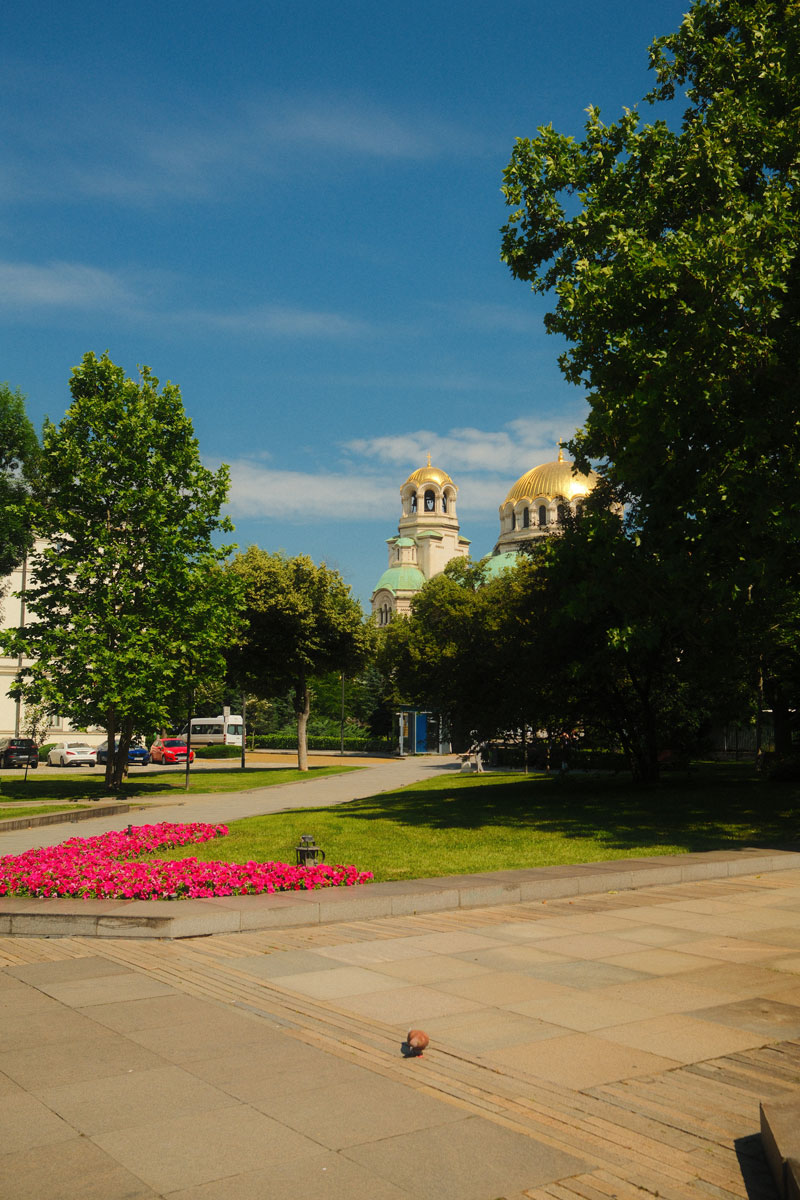
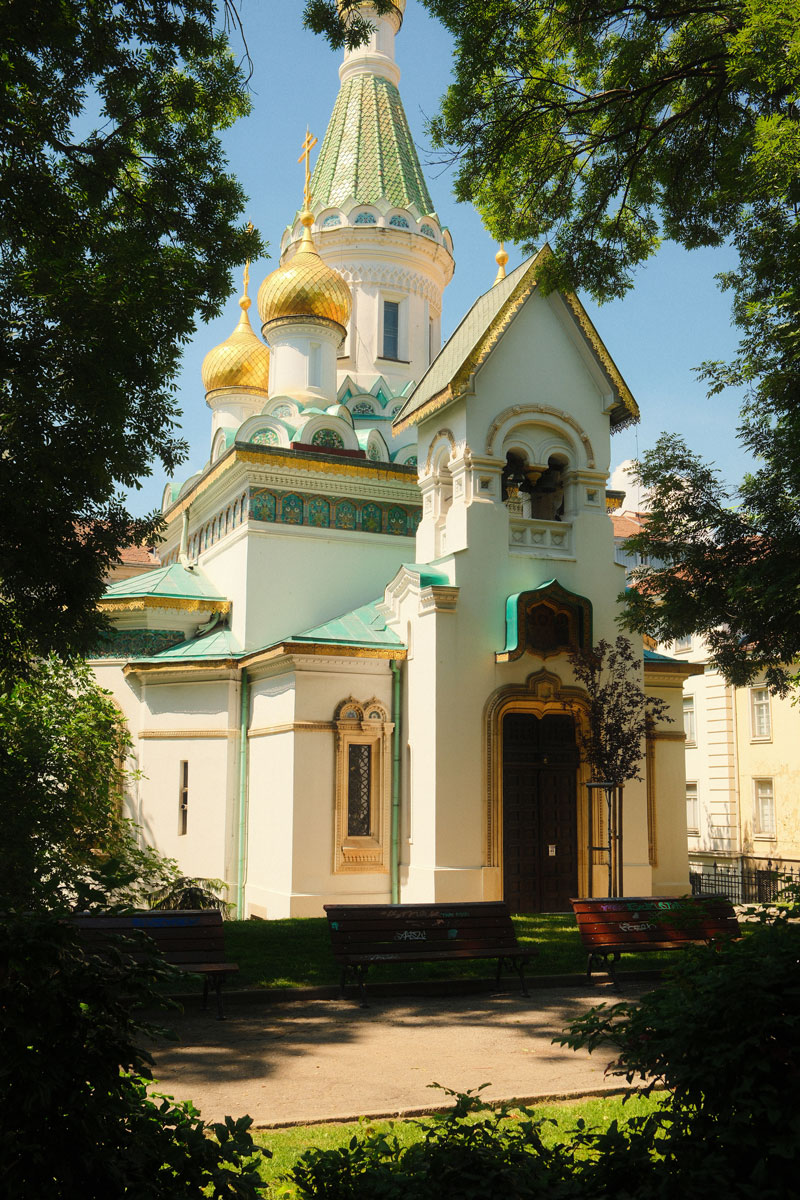
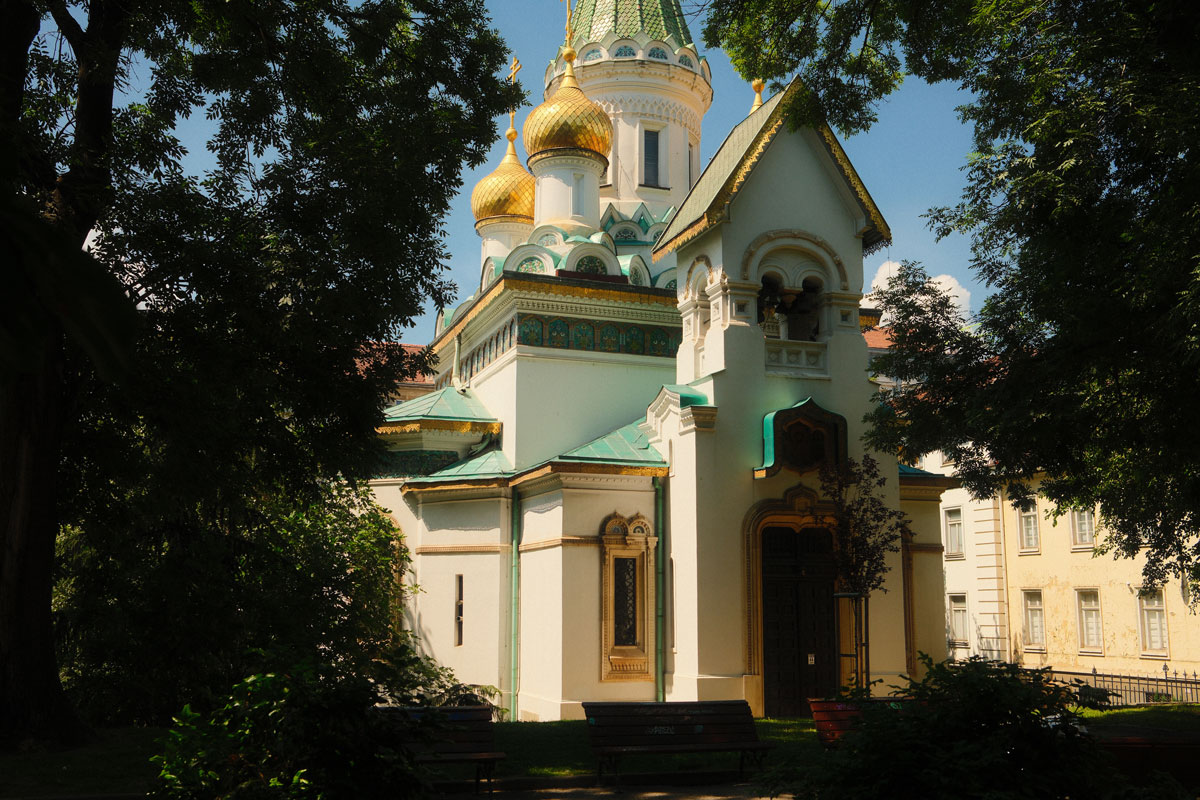
The Russian Church, officially the Church of St. Nicholas the Miracle-Maker, is one of Sofia’s most photogenic small churches. The building has green and golden domes and immediately stands out among the other buildings in the centre.
The church is conveniently located between the cathedral, the National Art Gallery and City Garden.
National Art Gallery
The National Art Gallery is housed in the former royal palace. Even if you do not go inside, the building is interesting to see. Its façade and location give this part of Sofia a more classical feel.
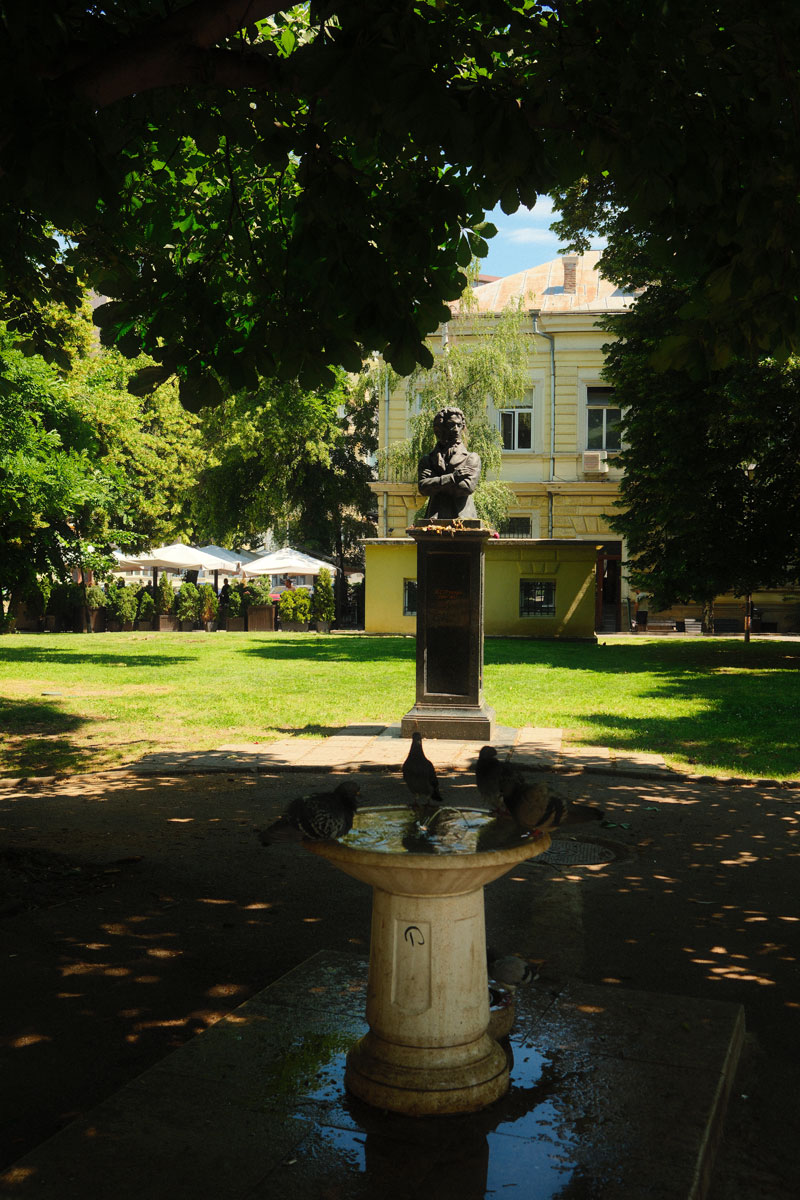
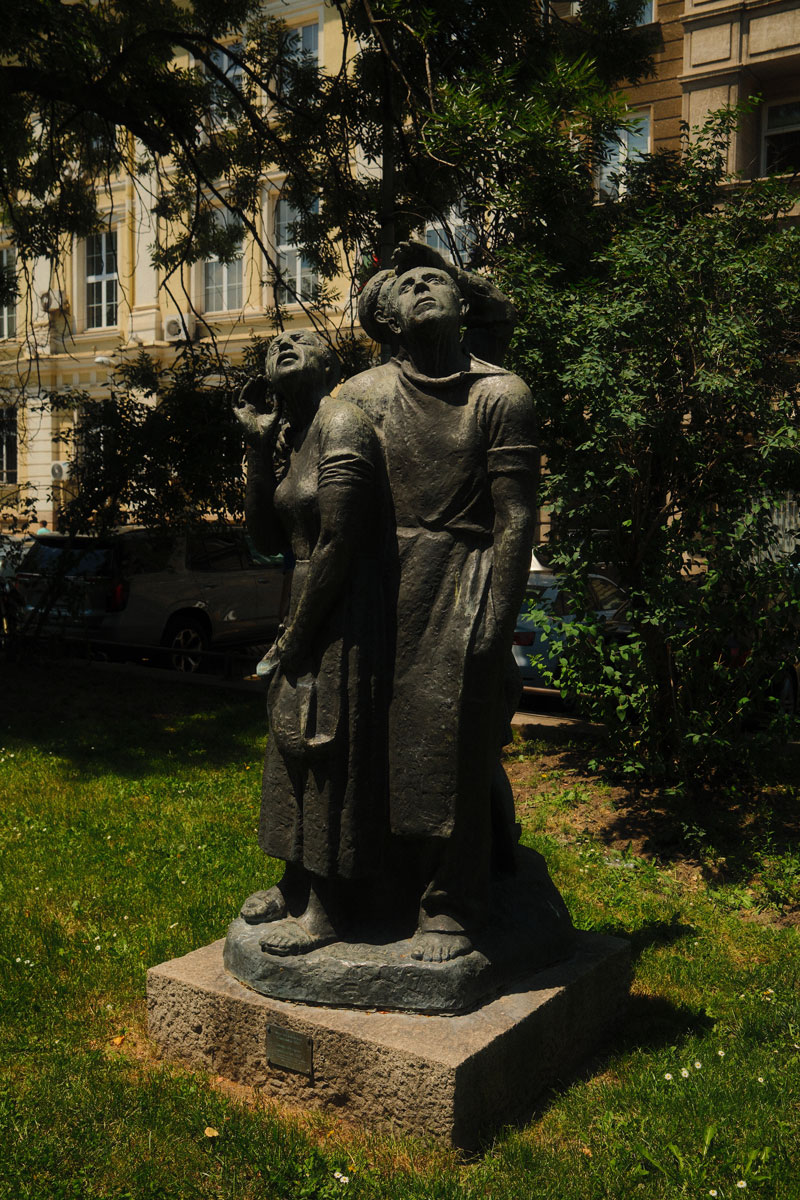
Around the gallery, you will find a green area with statues, benches and places to sit for a while. This makes it a good short stop before continuing towards City Garden or the Ivan Vazov National Theatre.
Tip: Use this spot for a quick break. You are still very central, but just away from the busiest streets.
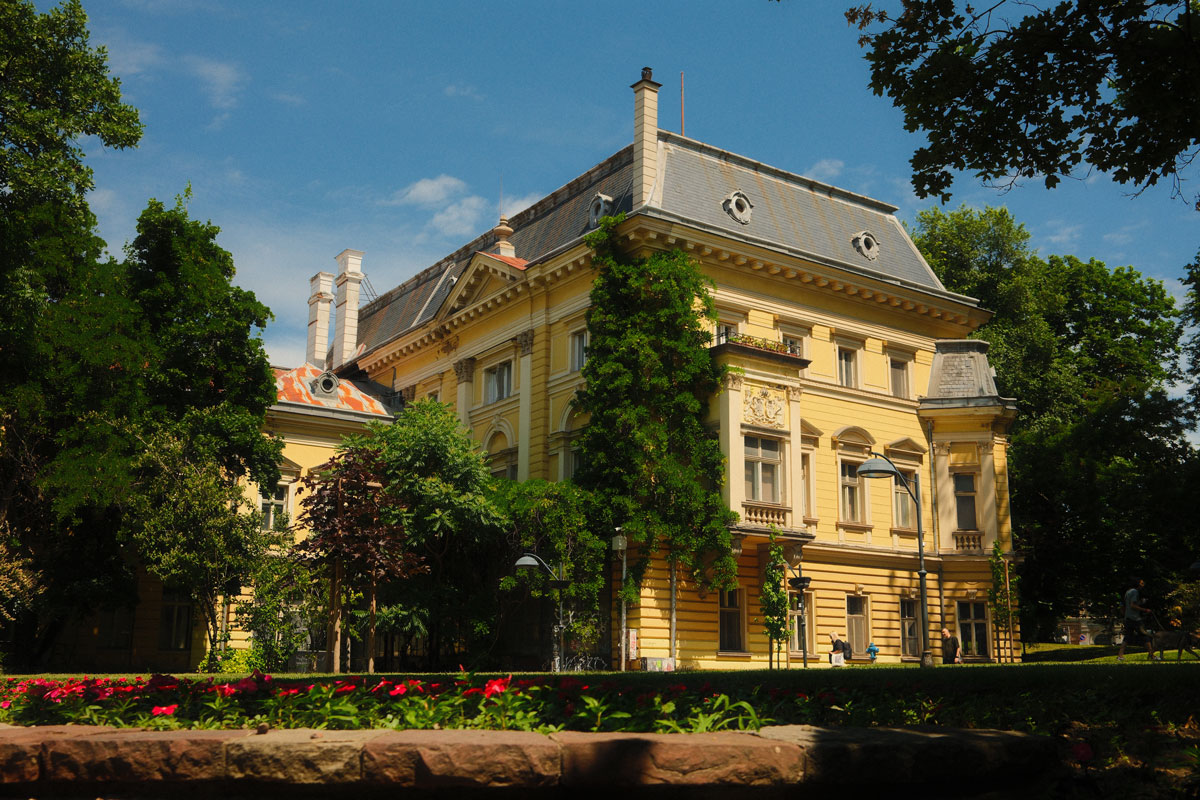
The park around the National Art Gallery
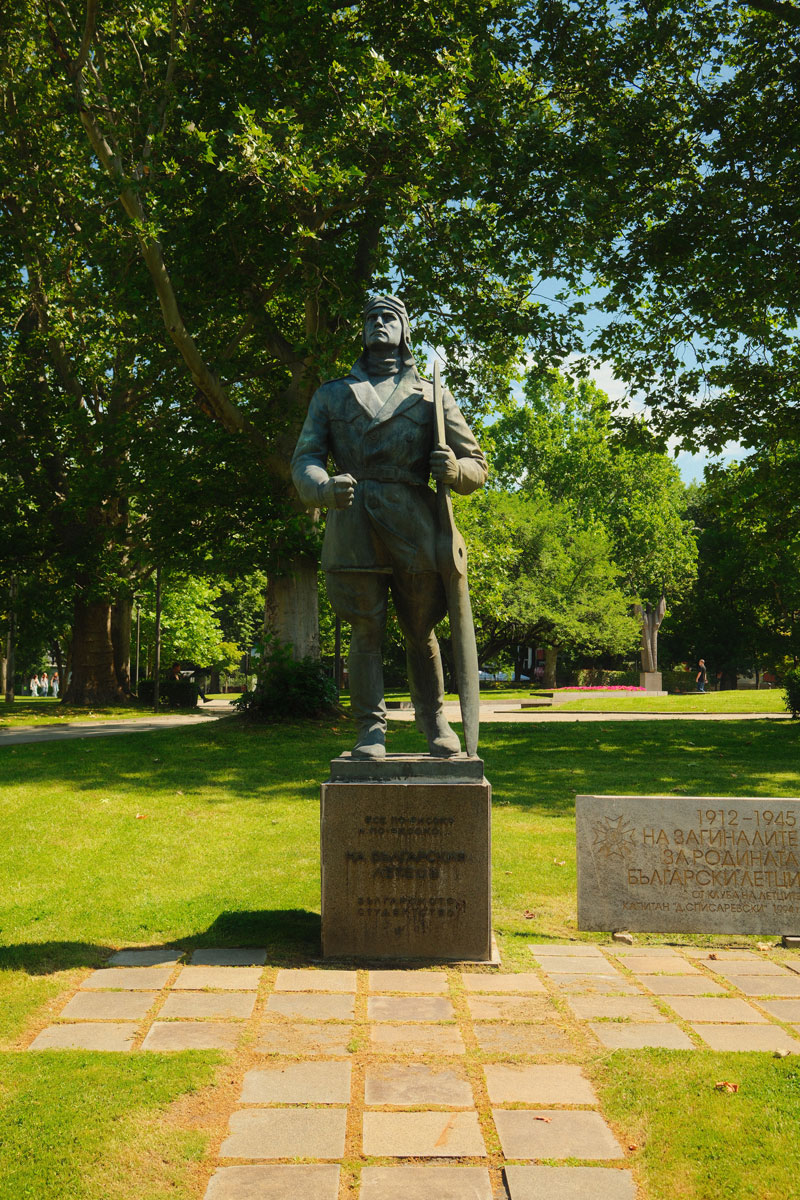
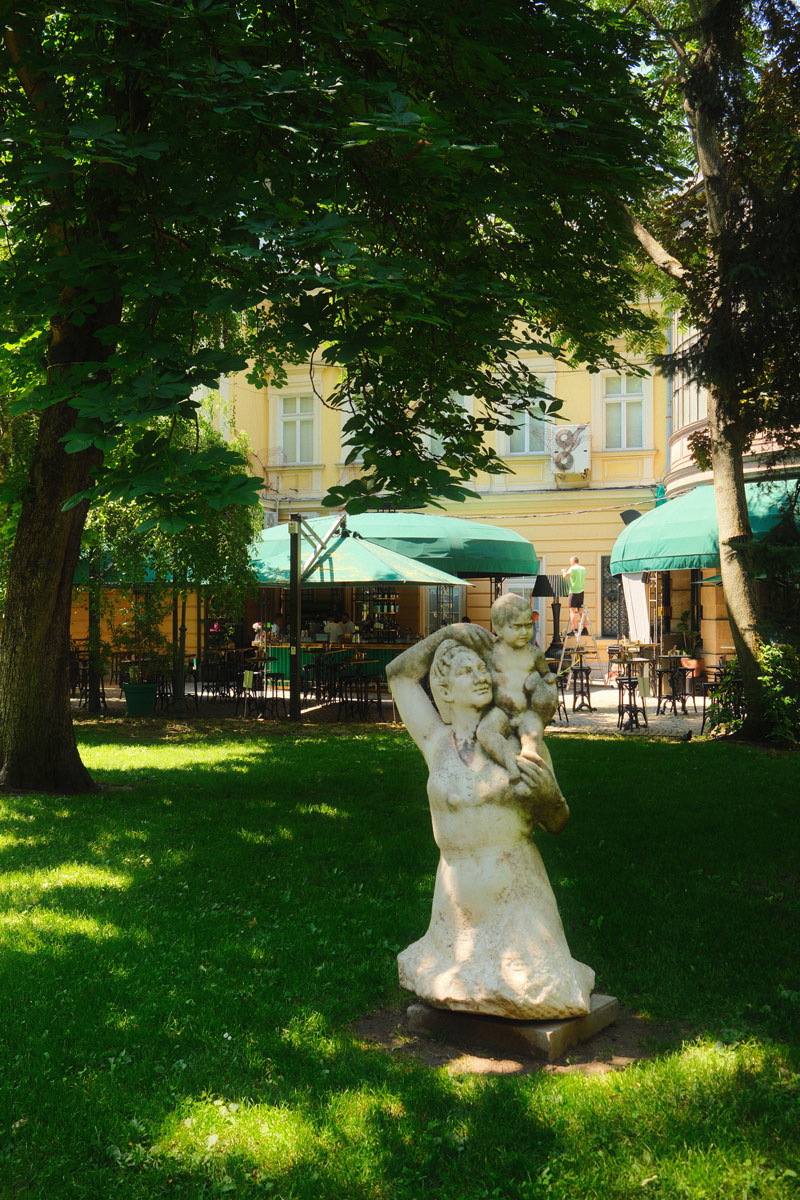
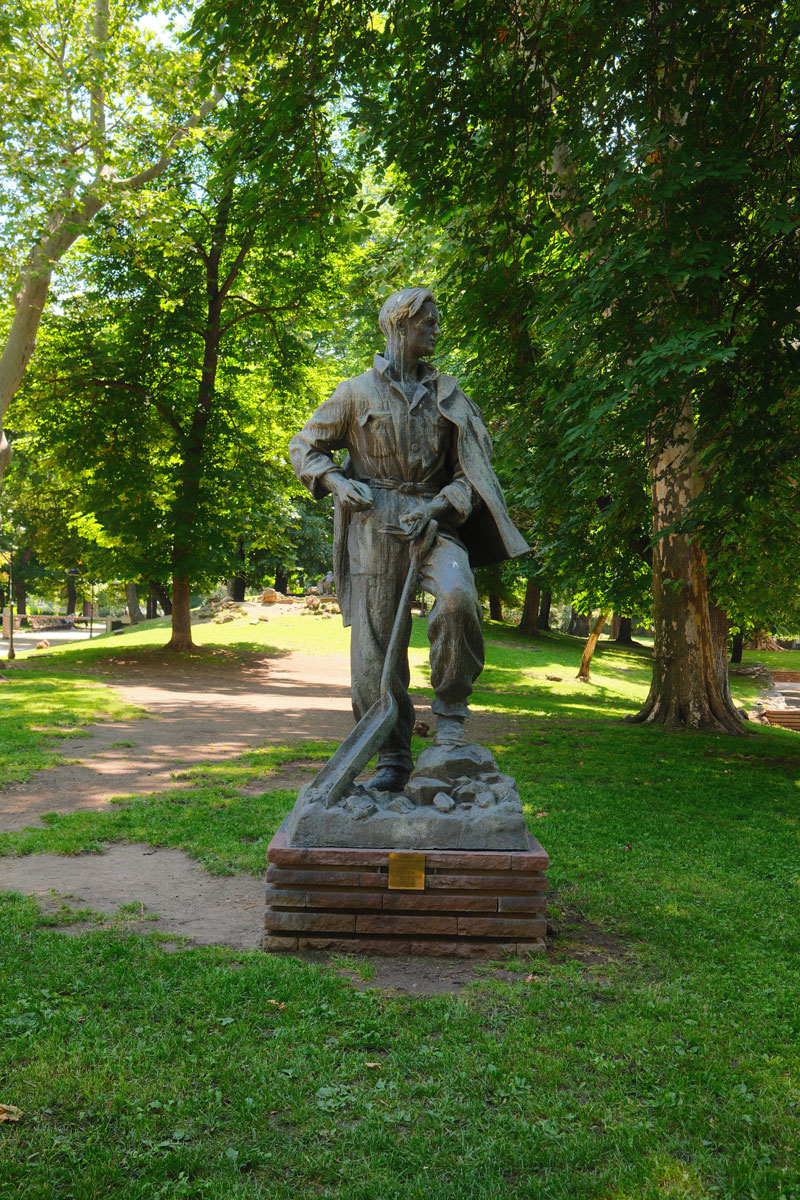
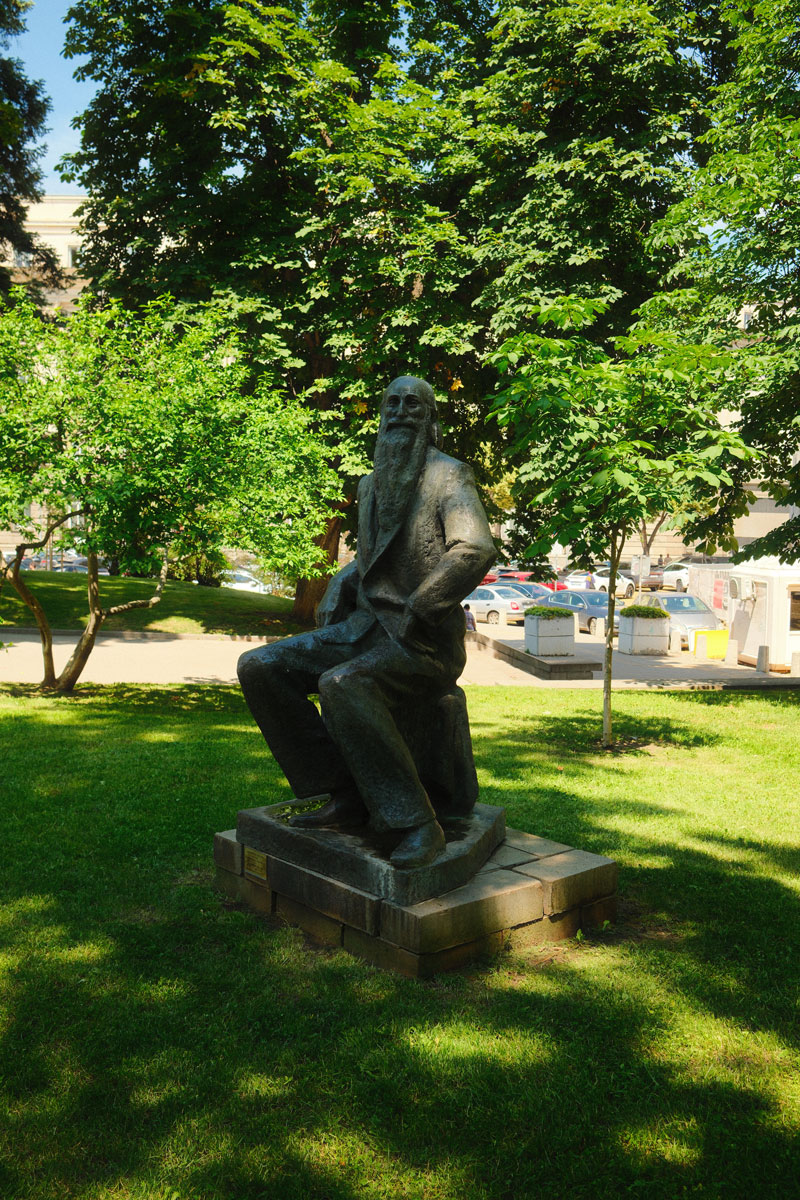
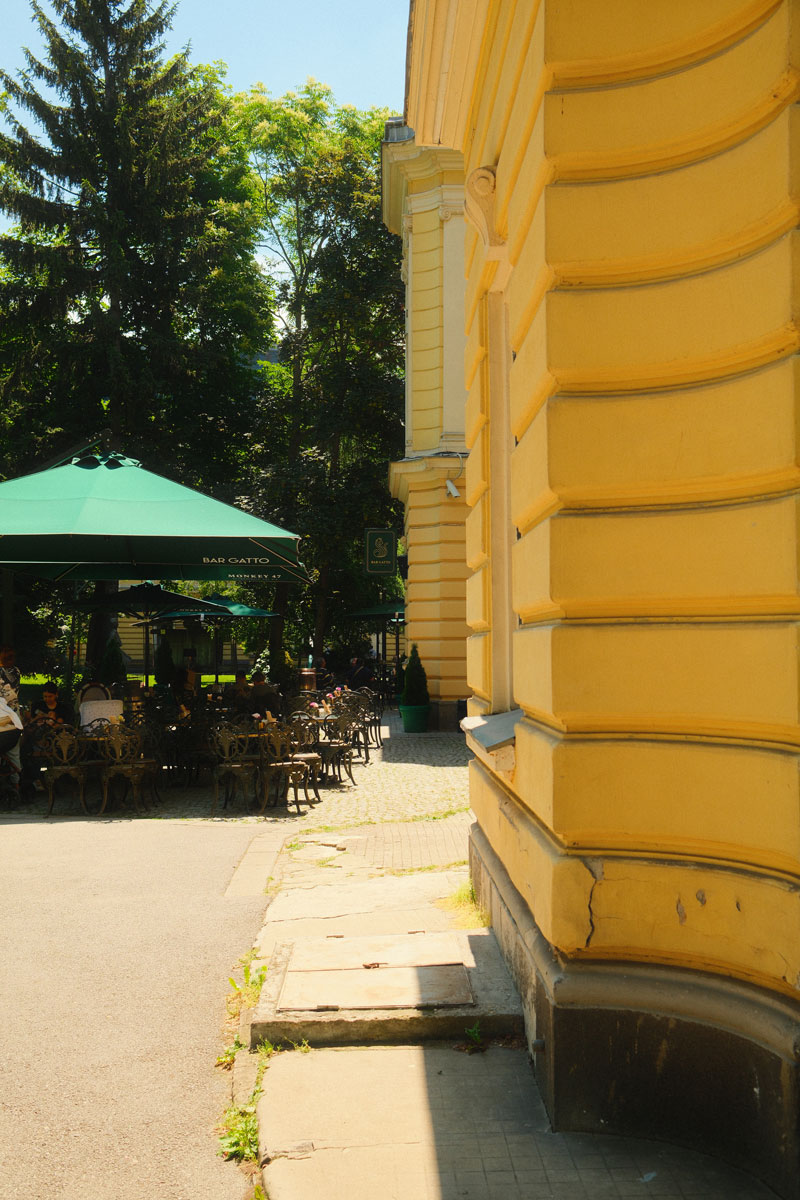
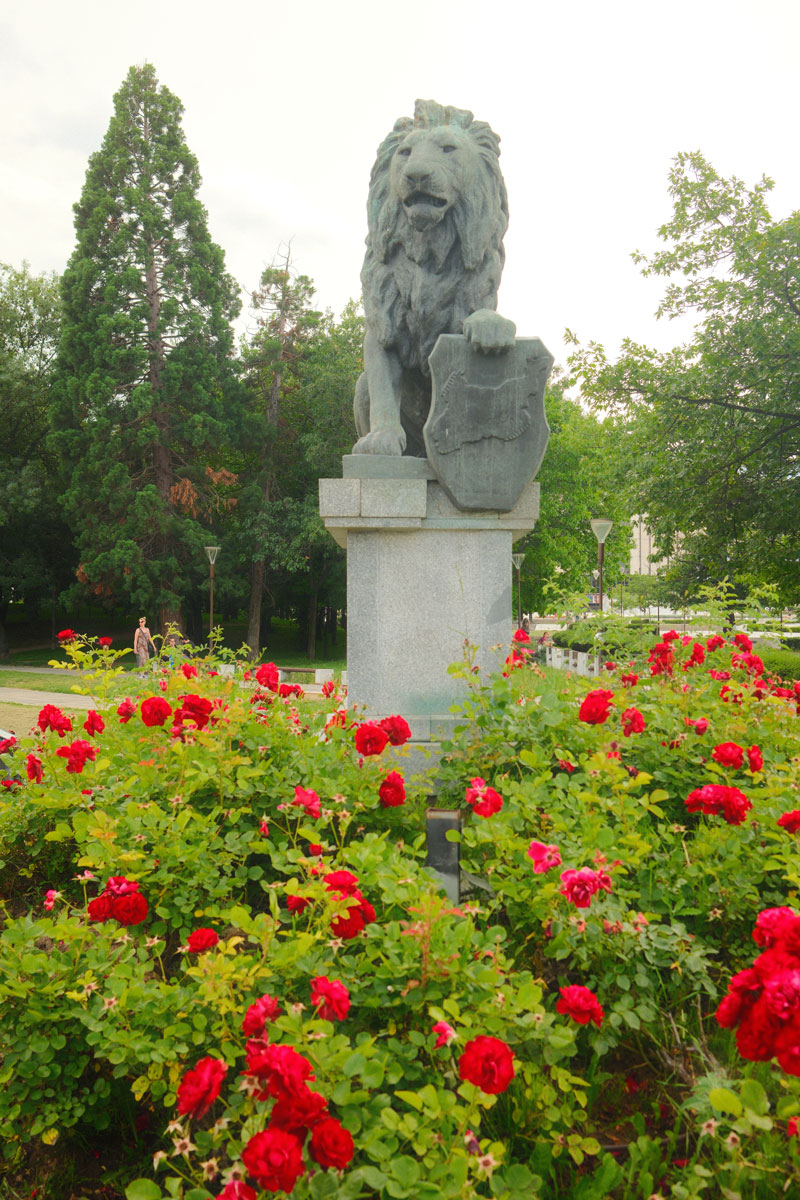
The park around the National Art Gallery deserves a mention of its own. You will see several statues, wide paths and, on sunny days, plenty of places to sit down with something to drink.
It is exactly these kinds of parks that make Sofia such a pleasant city to explore on foot. You do not have to rush from one highlight to the next; you can slow down easily along the way.
Good to know: This park is located very conveniently between several sights. It is perfect for a short break without interrupting your route.
Ivan Vazov National Theatre
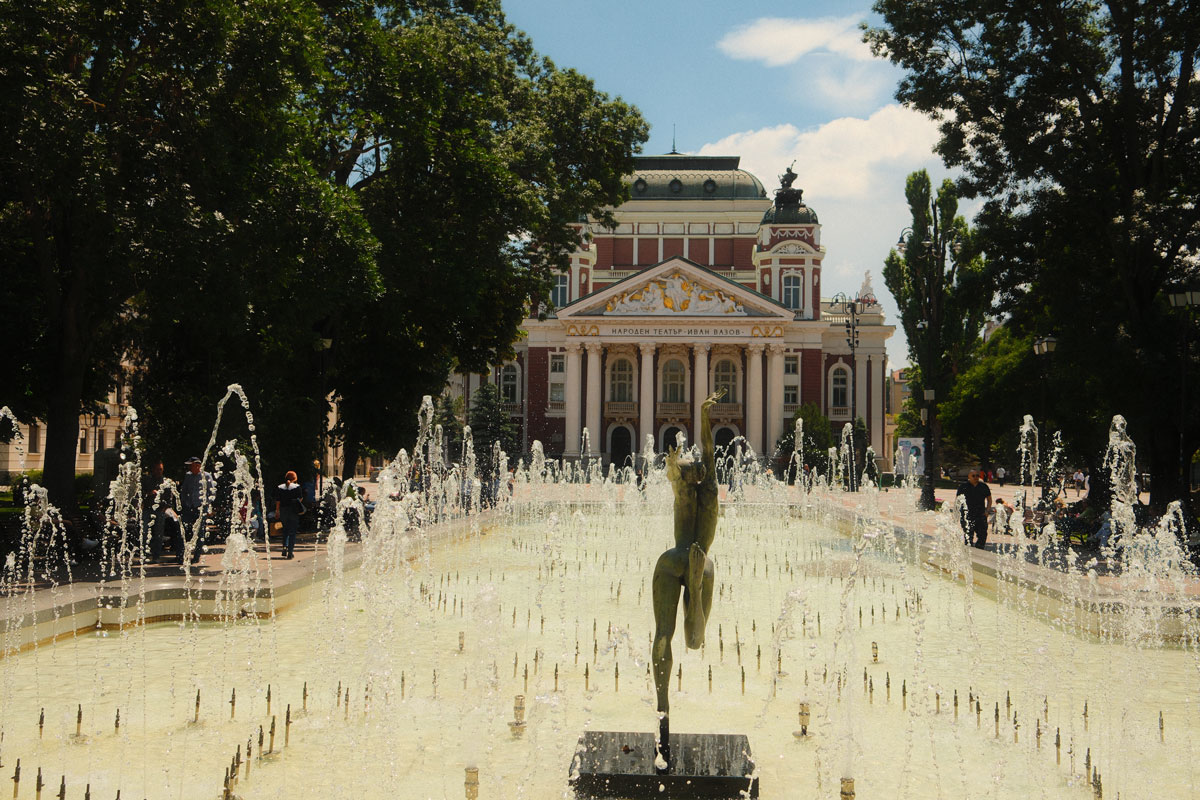
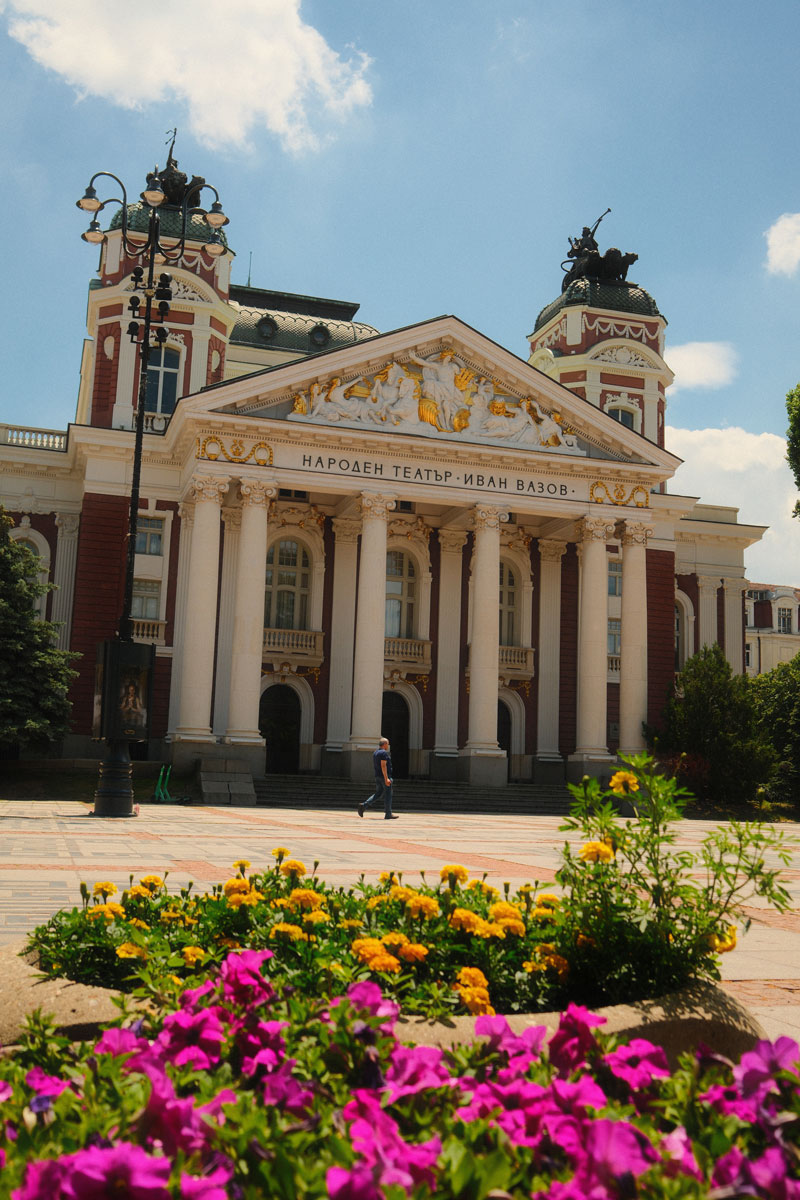
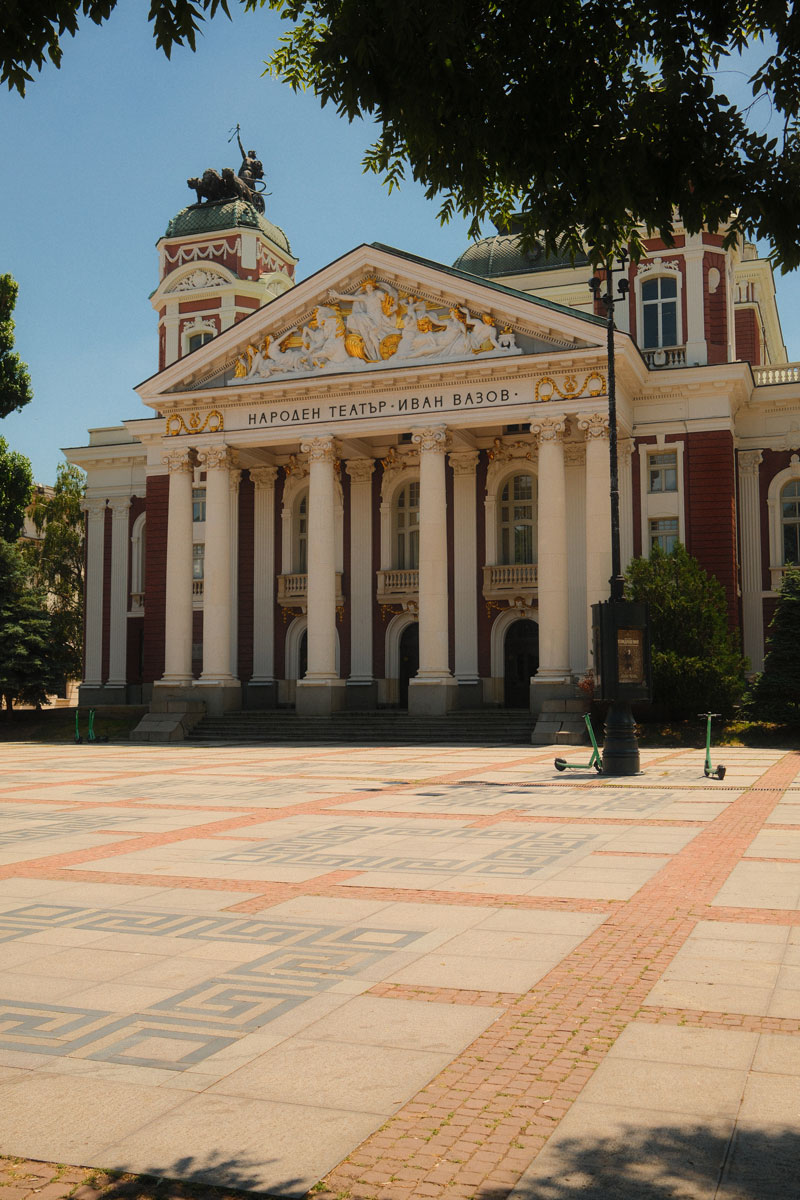
The Ivan Vazov National Theatre might be the most beautiful classical building in Sofia. The combination of the red façade, white columns, statues and fountain makes it one of the most photogenic places in the city.
The theatre is located on City Garden and is beautiful both during the day and in the evening. By day, you can see the details clearly, while in the evening the building is atmospherically lit.
City Garden
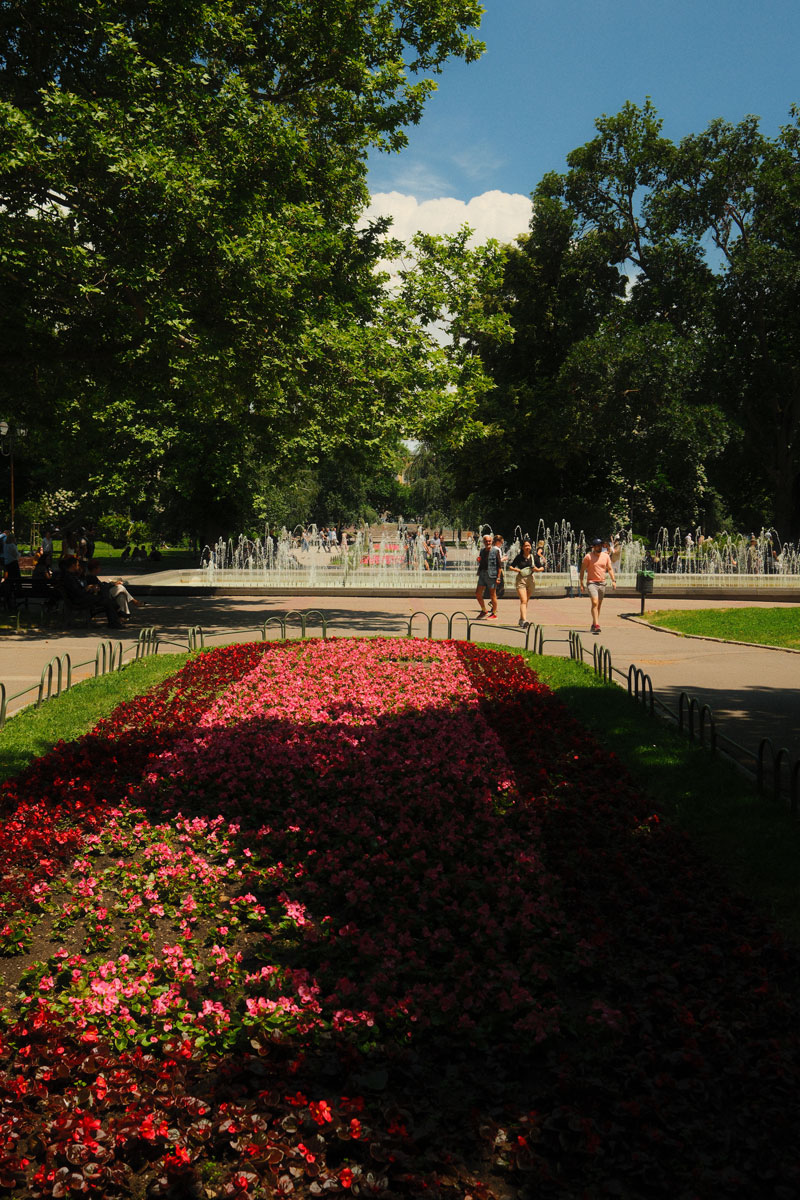
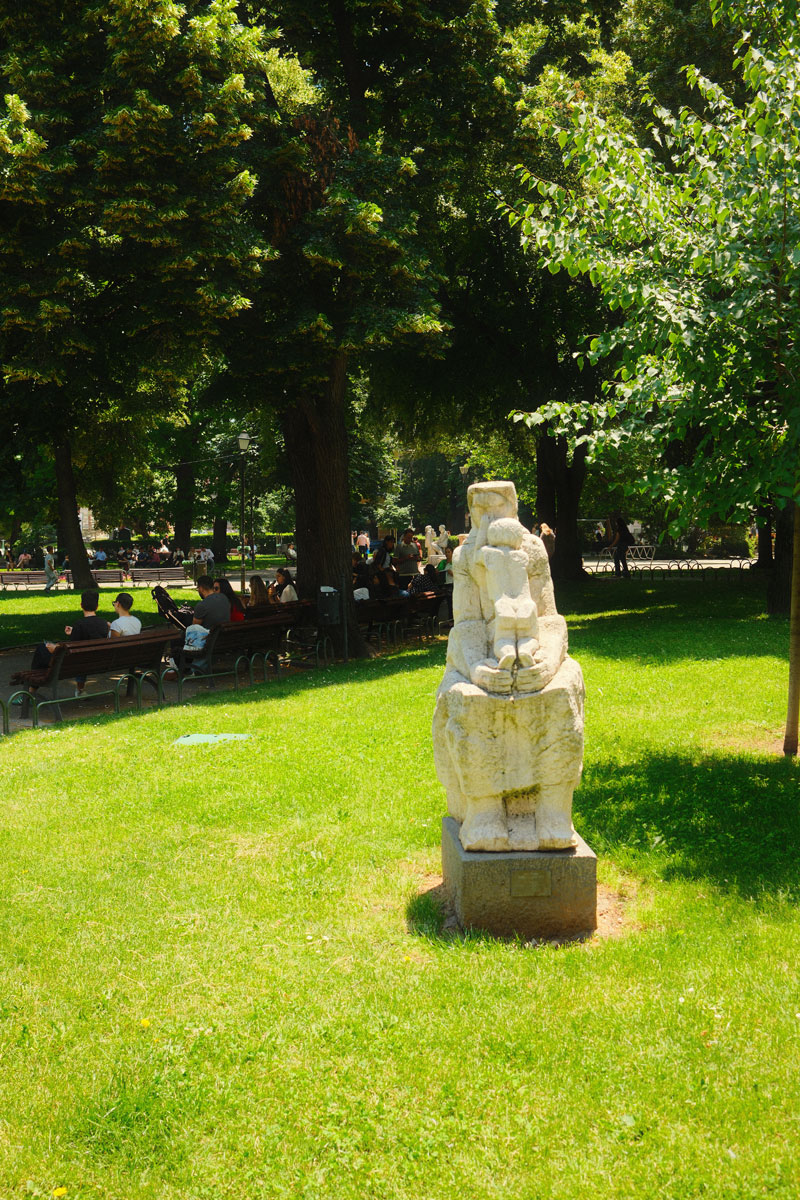
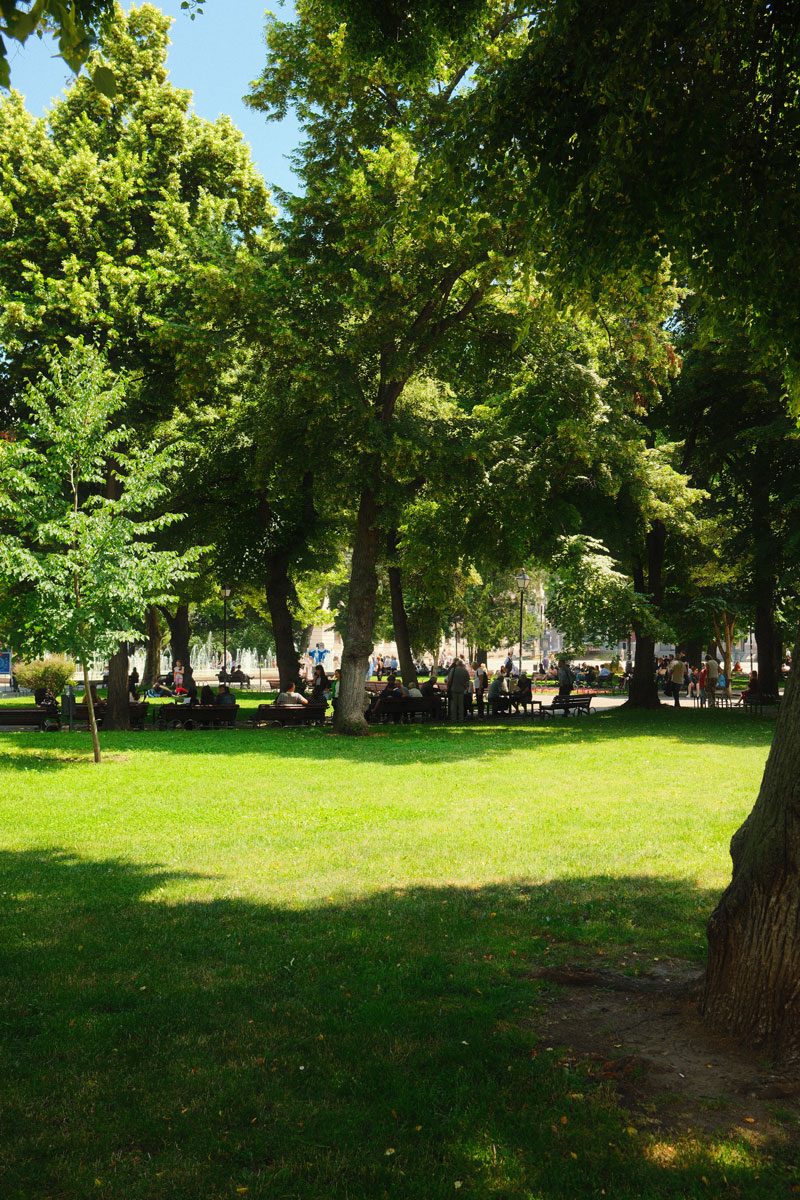
City Garden sits directly in front of the Ivan Vazov National Theatre and is one of the most pleasant little parks in the centre. People sit on benches, meet near the fountain or walk through on their way to other parts of the city.
This is a great place to get a first feel for Sofia. It is not just about looking at buildings, but also about seeing how the city is used.
Tip: Come back here in the evening too. The theatre is beautifully illuminated and the park still feels lively.
Shishman Street
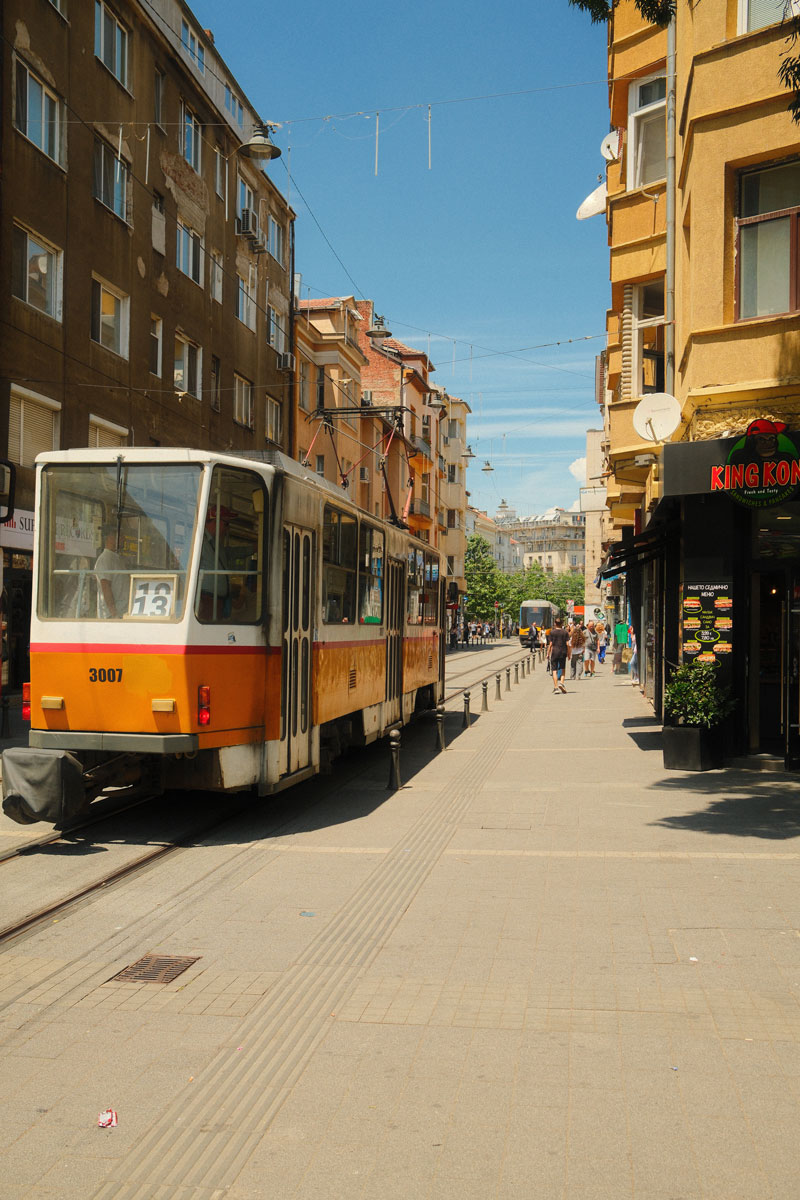
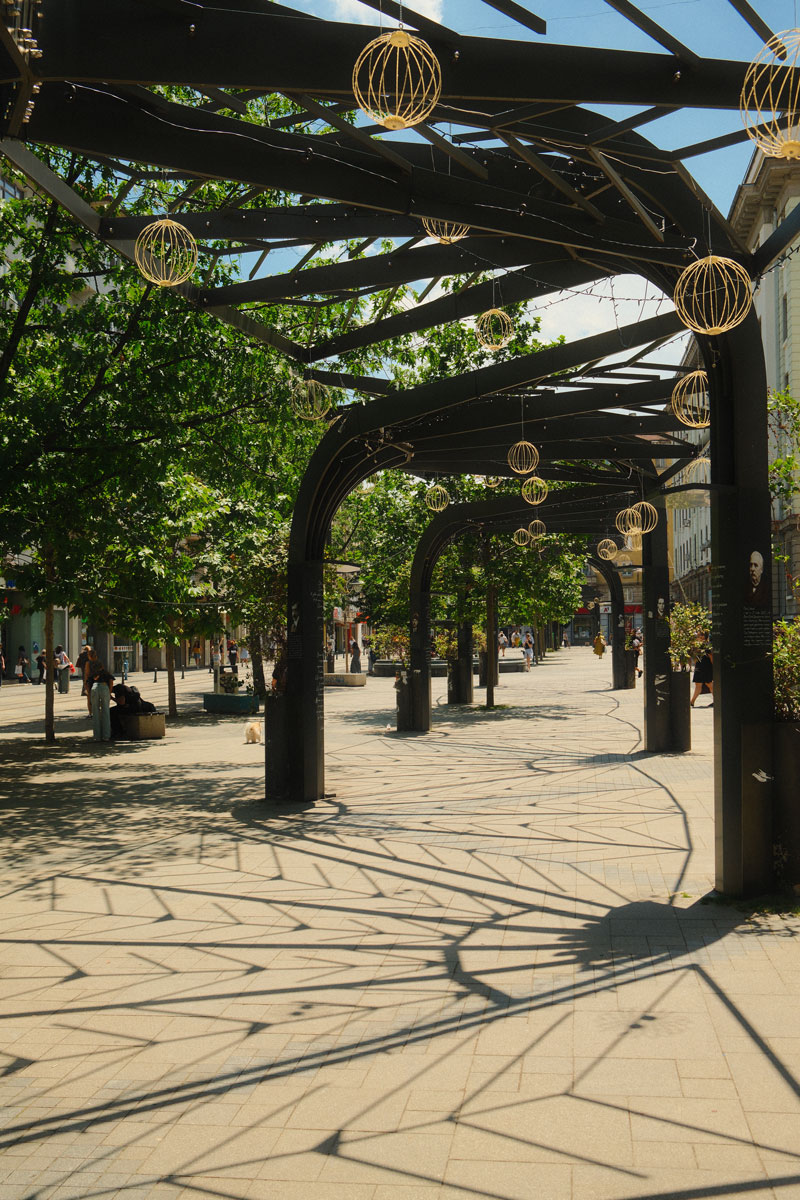
Shishman Street and the surrounding streets show a younger and more creative side of Sofia. You will find cafés, small shops, street art, façades and details that make your walk feel more personal.
Do not expect a major landmark where you need to spend a long time. See it more as an atmospheric street that is fun to wander through without a strict plan.
Tip: Do not plan Shishman Street as your main stop, but as a nice transition between the better-known sights and the Temple of the Seven Saints.
Temple of the Seven Saints
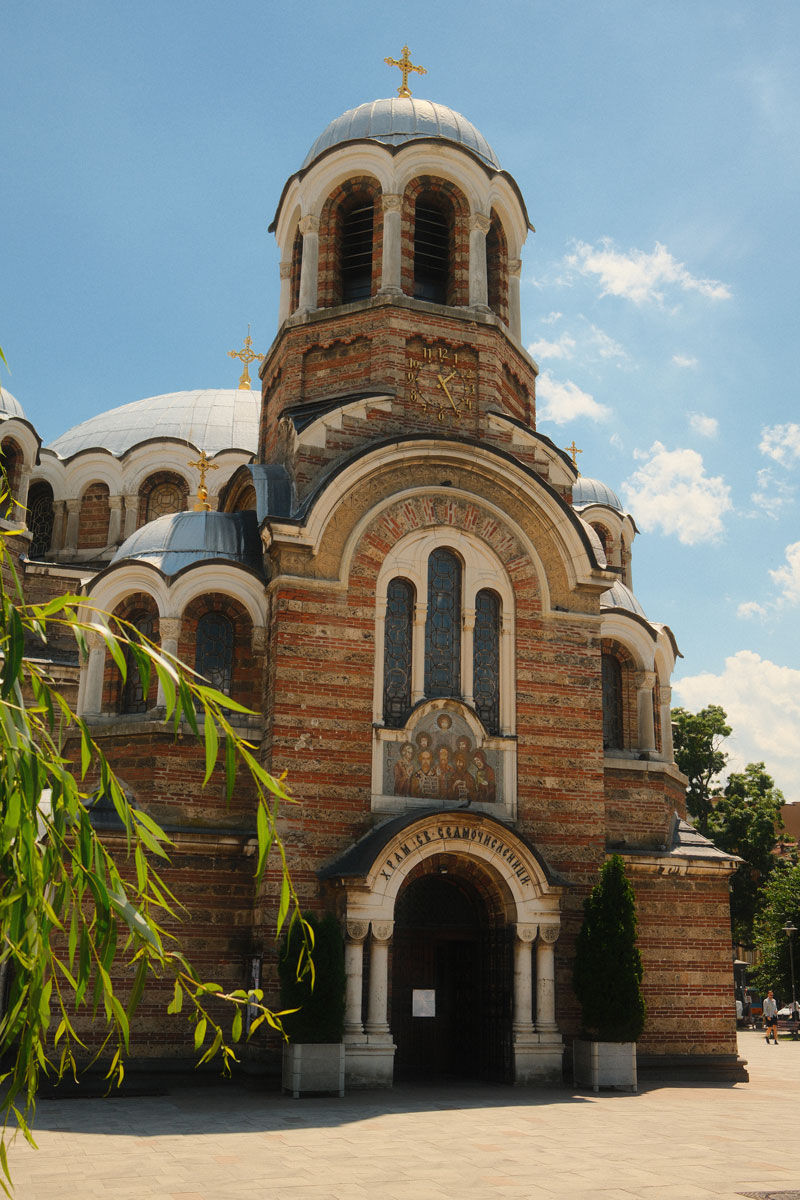
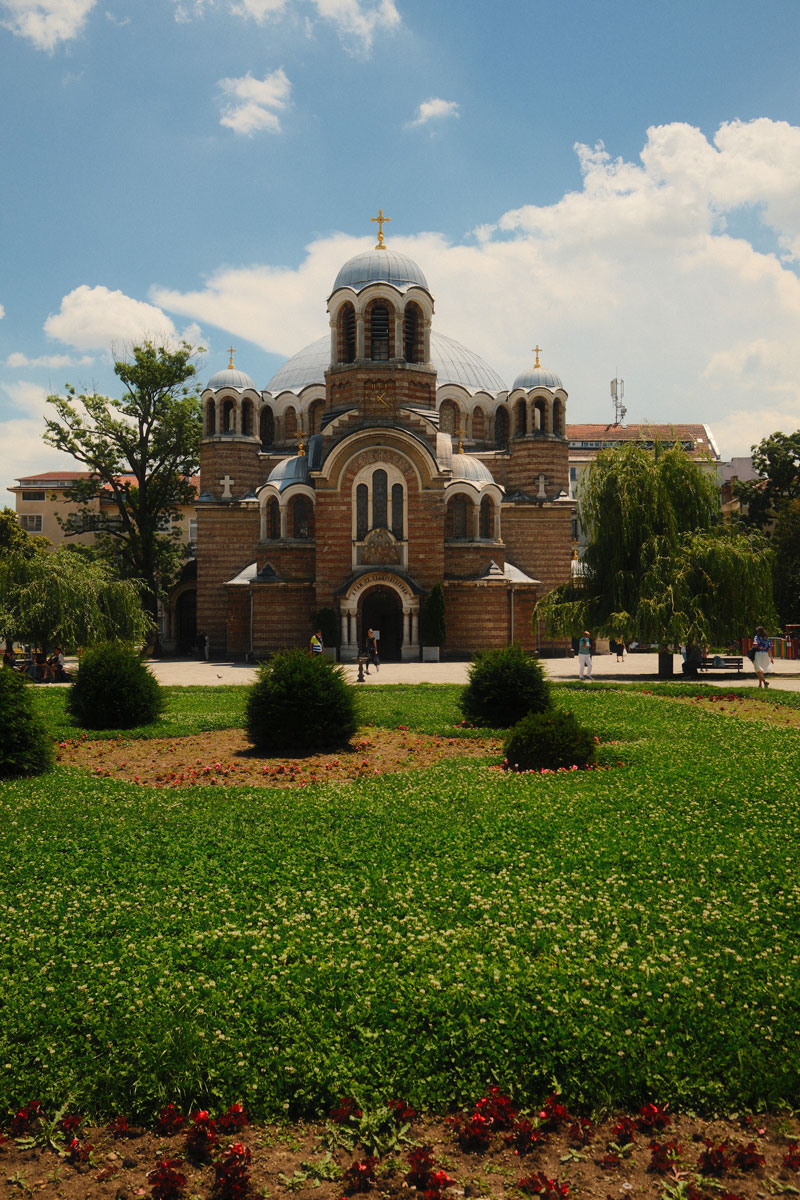
Sveti Sedmochislenitsi Church, also known as the Temple of the Seven Saints, is located near Shishman Street. This Orthodox church is less famous than Alexander Nevsky, but that also makes a visit feel quieter.
The building stands on a pleasant square and makes a nice change during your walk. If you enjoy visiting churches, this is definitely a stop not to miss.
Good to know: This church is just outside the busiest tourist route, so you will often find it a little calmer than the better-known churches.
St. George Rotunda
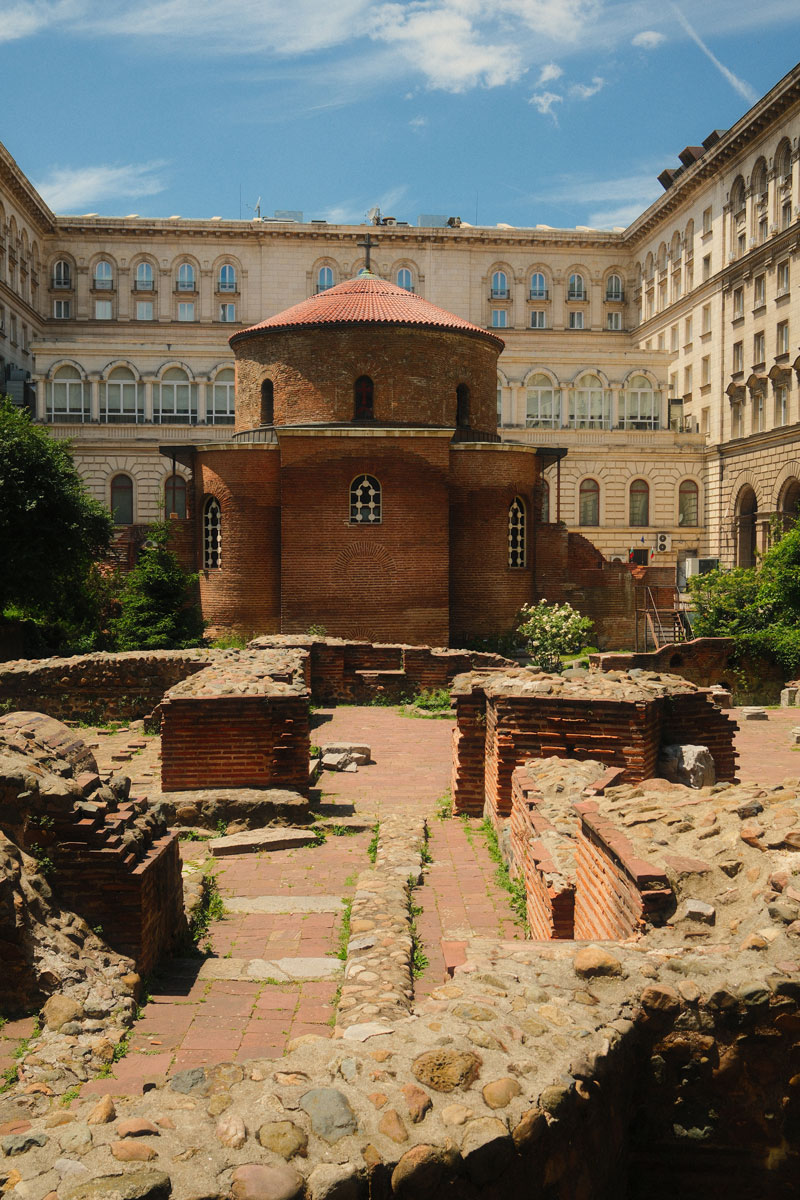
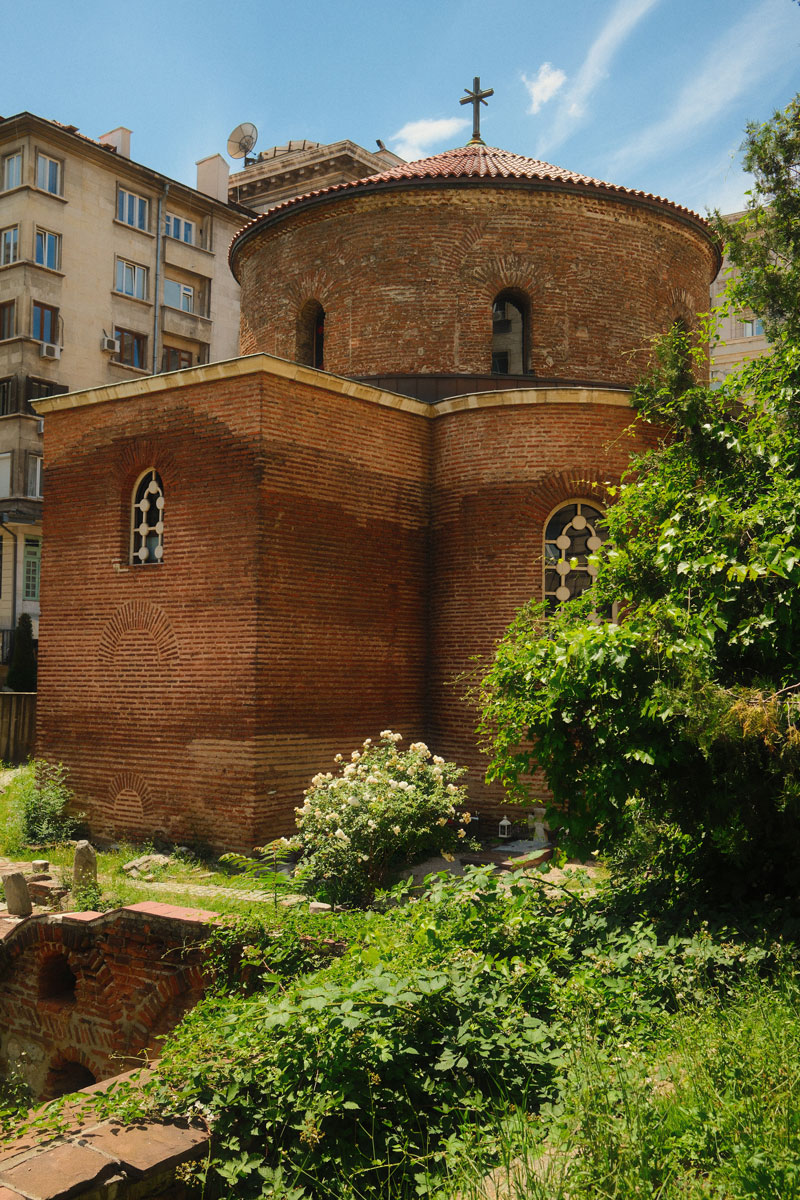
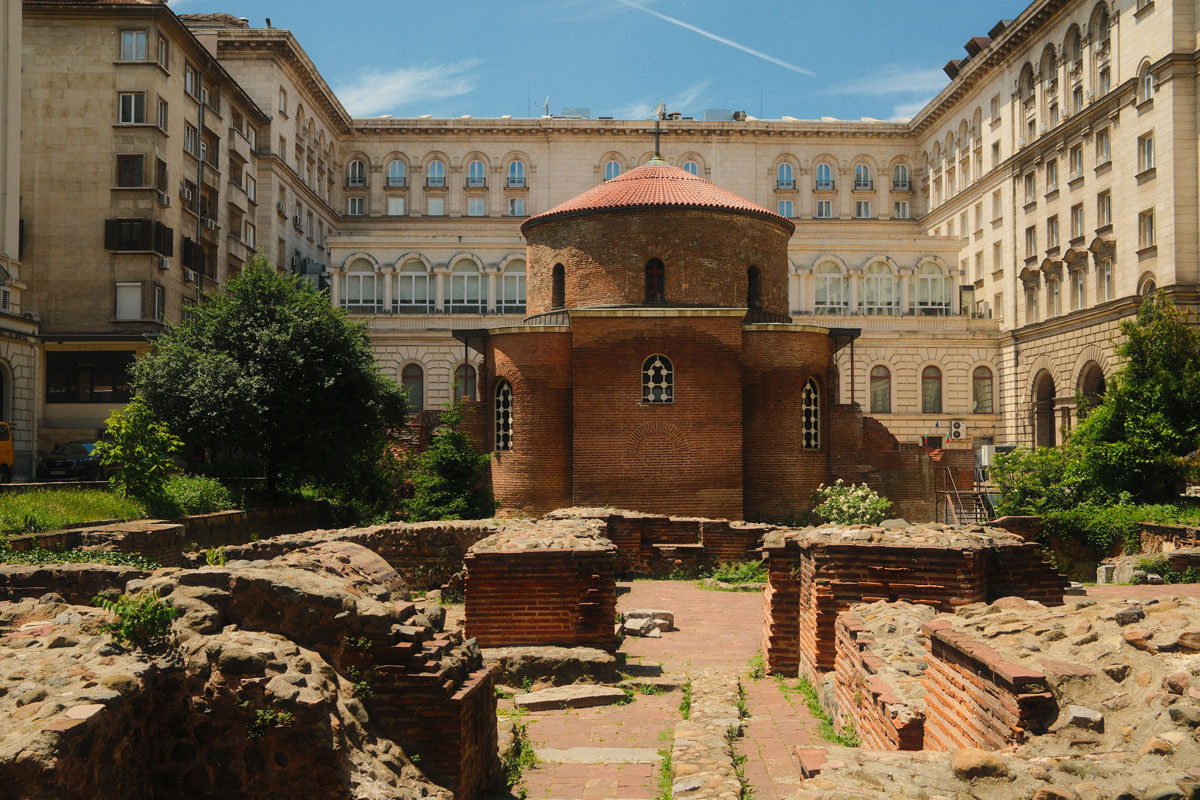
St. George Rotunda is one of the most unusual places in Sofia. The small round brick church is hidden between modern buildings and government buildings. That location is exactly what makes it interesting: you walk through a busy part of the city and suddenly find yourself standing beside one of Sofia’s oldest buildings.
Personally, I would include this place mainly because of its special location and the contrast with its surroundings. A quick stop is enough to get a feel for it.
Tip: Combine the Rotunda with St. Nedelya and Serdica. These places are close together and together they tell a lot about Sofia’s historical layers.
St. Nedelya Cathedral
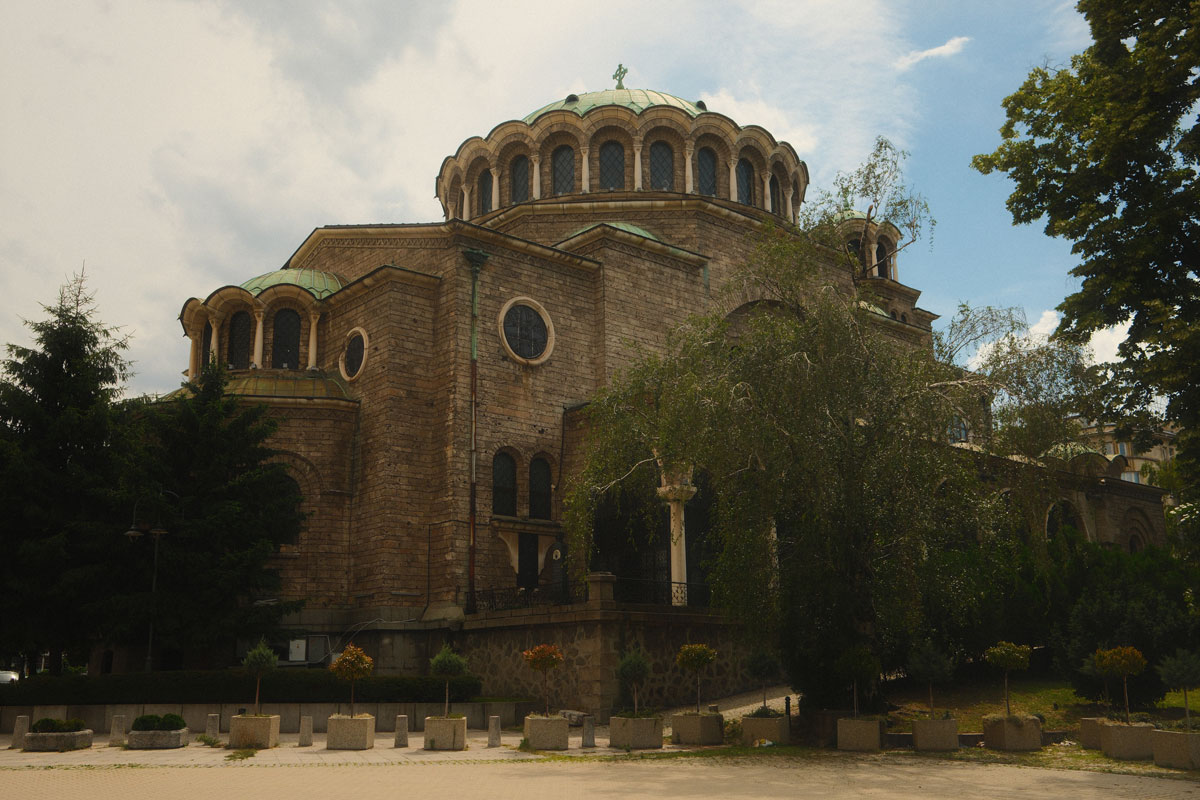
St. Nedelya Cathedral is centrally located in Sofia and is an impressive Orthodox church that is easy to combine with St. George Rotunda. From the outside, the church looks solid and classical, but the interior is also worth seeing.
This is one of those places that may not be at the very top of your list, but during a walk through the centre it turns out to be surprisingly worthwhile. Because of its central location, you will probably pass it anyway.
Tip: Do not walk past too quickly. Together with the Rotunda and Serdica, it gives you a good impression of Sofia’s historical layers.
Ancient Serdica Cultural Complex
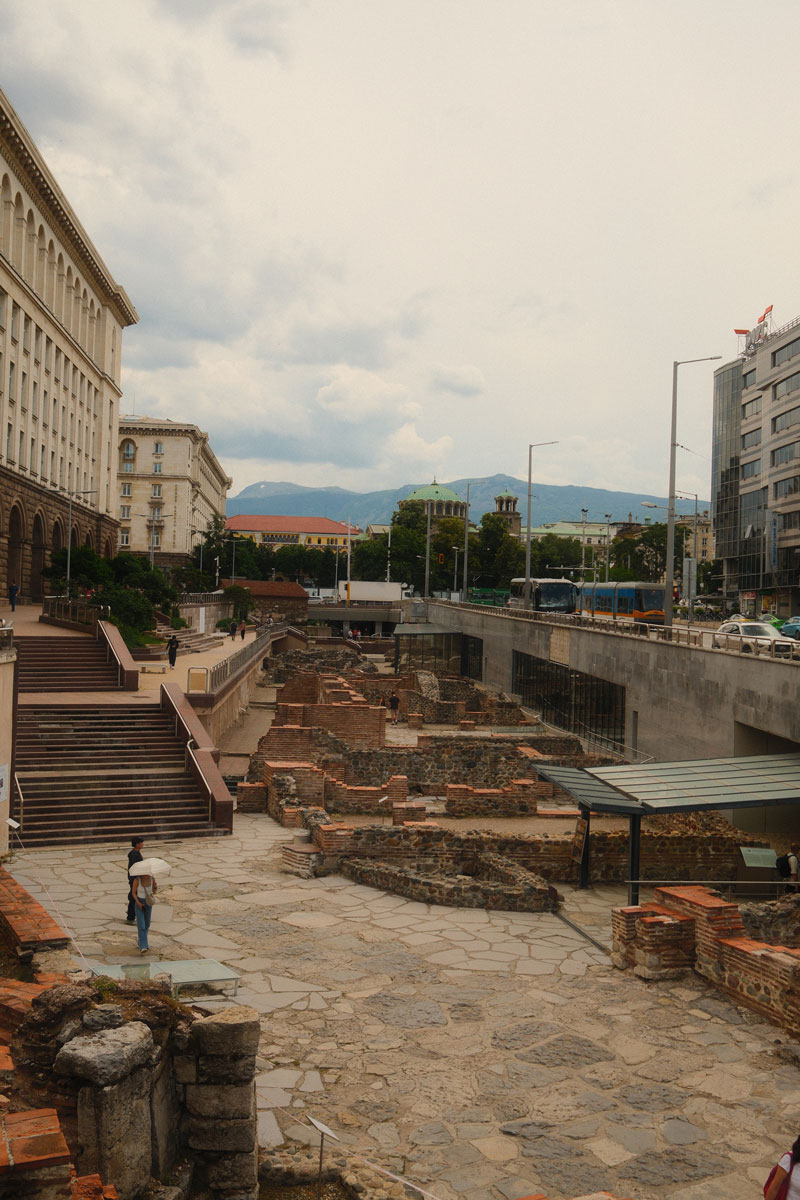
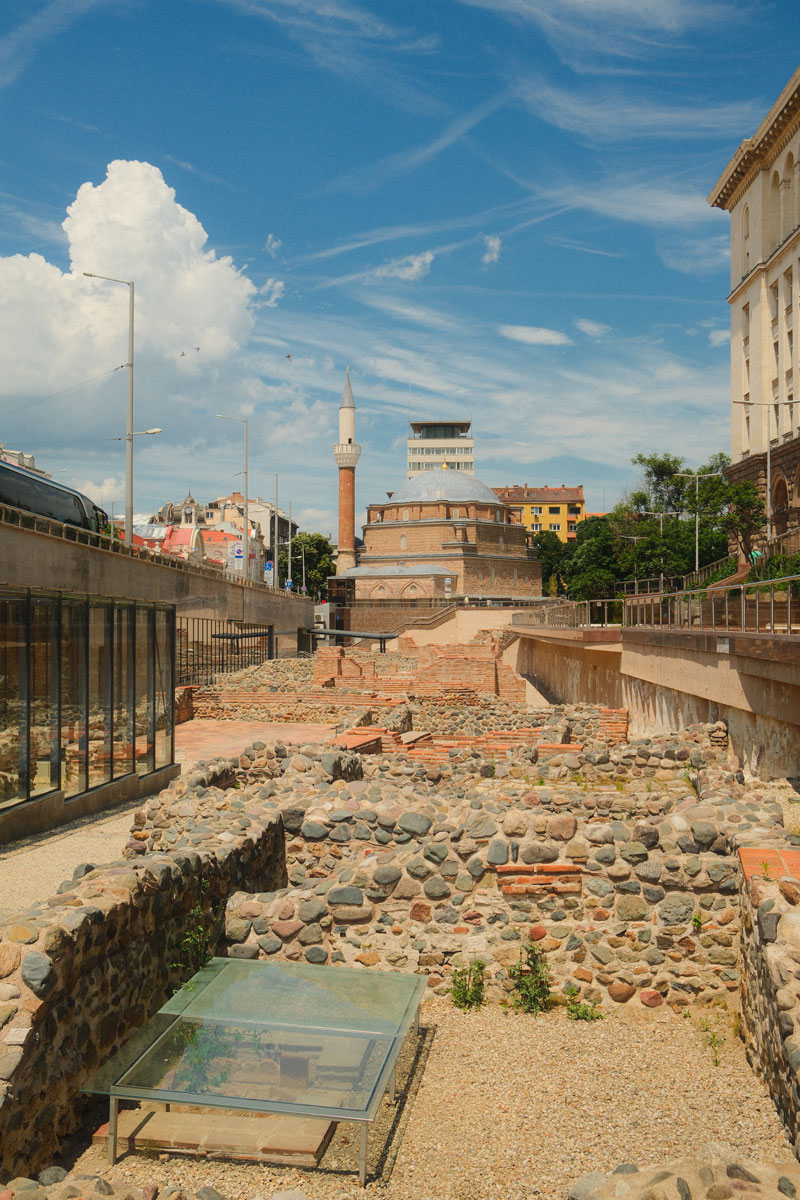
Around the presidential palace and metro area, you will find the Ancient Serdica Cultural Complex. This is an impressive part of the city where archaeology, modern buildings and everyday traffic come together.
It is not a traditional museum where you buy a ticket and follow a fixed route. Instead, it feels like an open part of the city. That makes it very accessible and easy to include during your walk.
Photo tip: Take photos that show both the Roman remains and the modern city. That contrast is exactly what makes this place so strong.
Banya Bashi Mosque
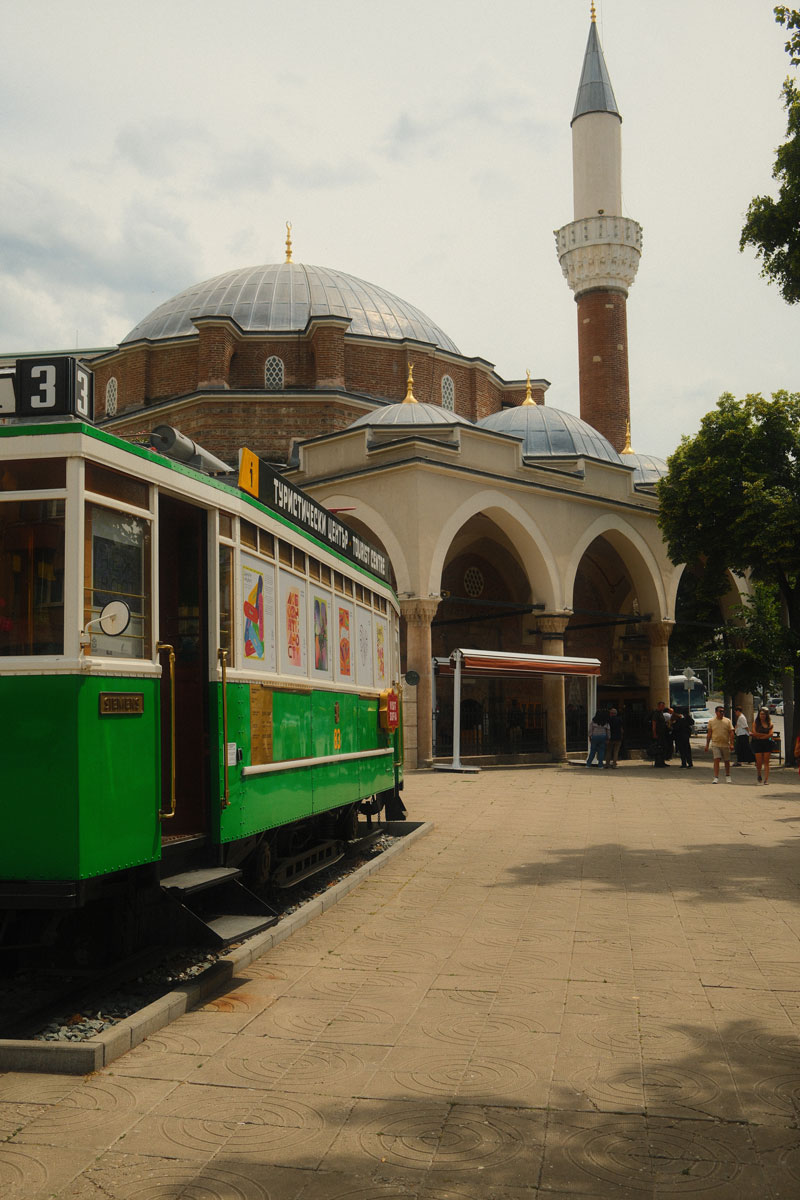
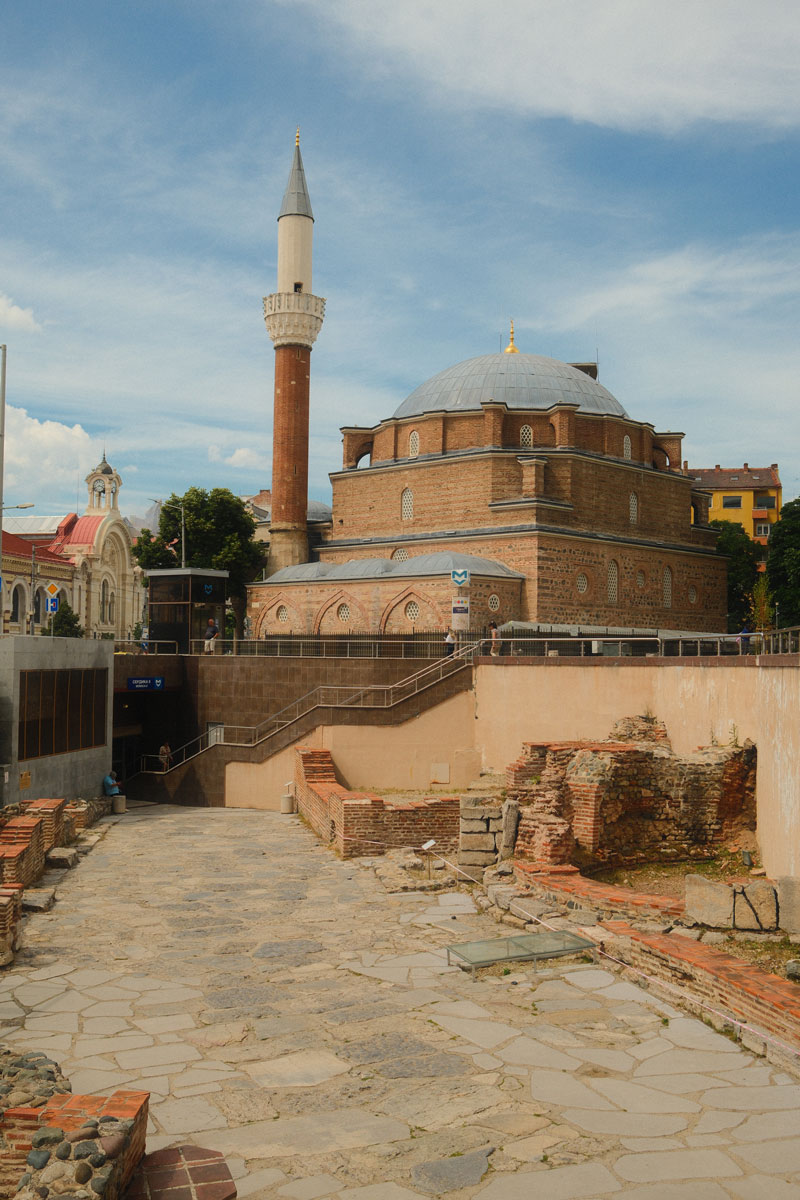
Banya Bashi Mosque is one of the most striking buildings around Serdica and the Central Mineral Baths. The mosque is still in use and stands in the middle of an area where different religions and historical layers come very close together.
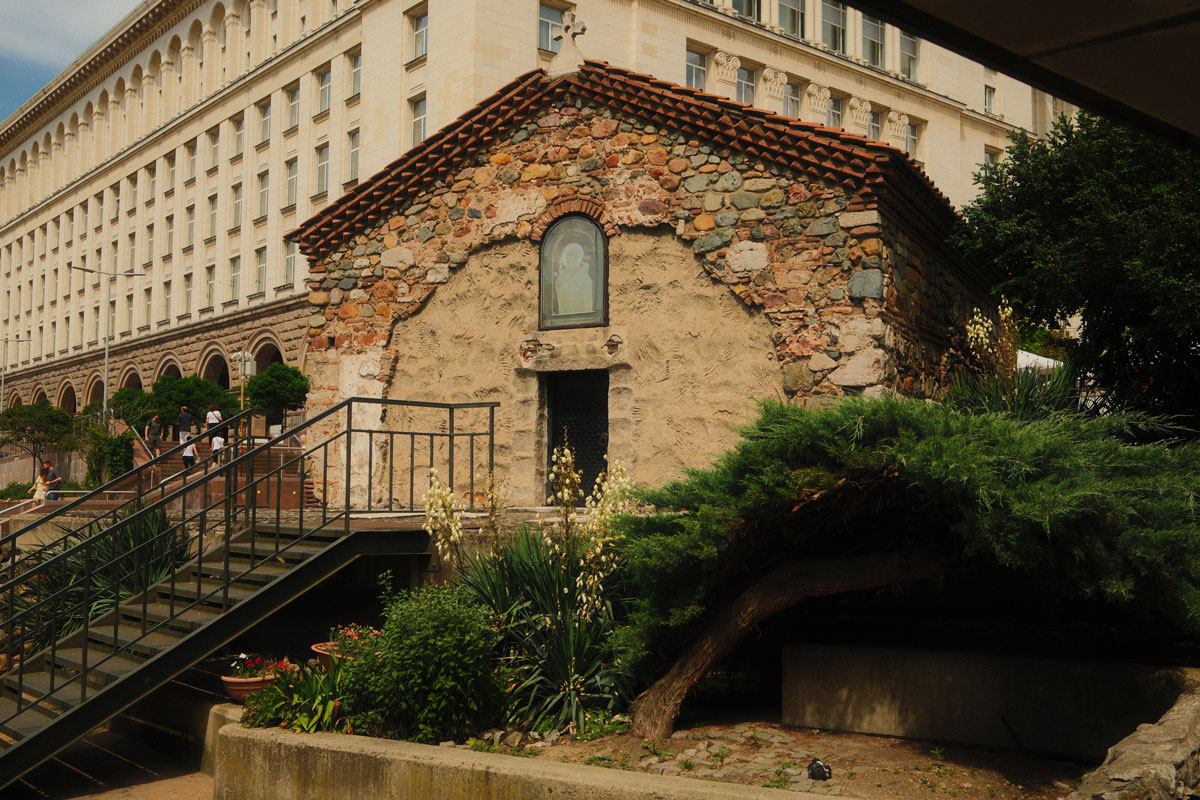
Around the mosque, you can also see archaeological remains connected to the metro area and a small church. This makes this part of Sofia especially interesting.
Good to know: Visit the area respectfully, as the mosque is an active place of worship.
Central Mineral Baths
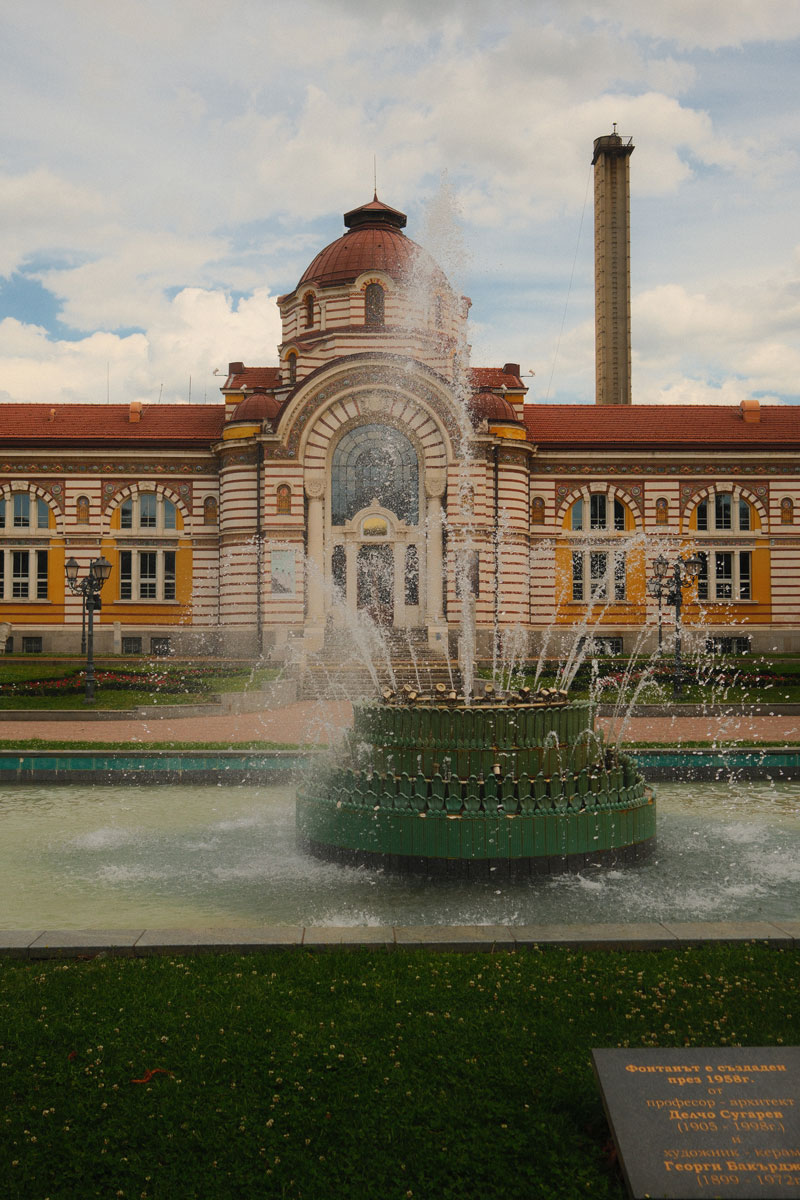
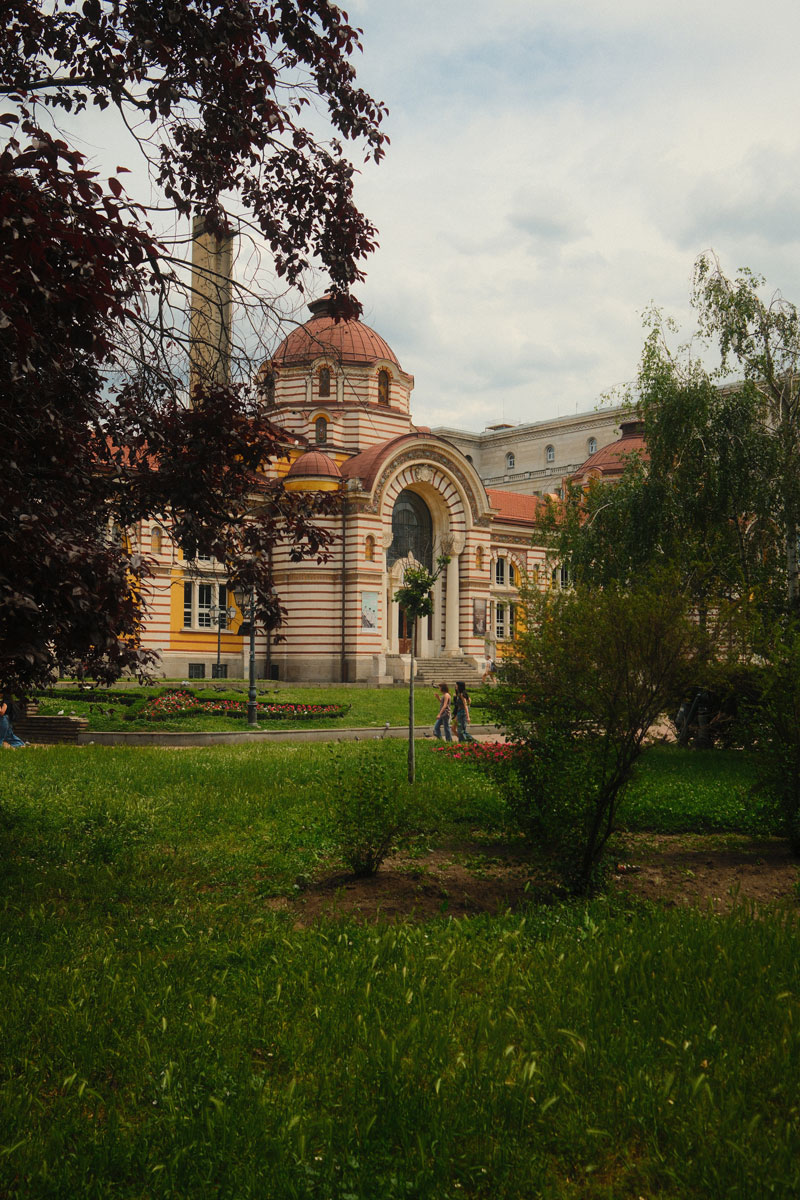
The Central Mineral Baths are among the most beautiful buildings in this part of Sofia. The colourful façade, decorative details and location near the mosque and mineral water fountains make it a lovely place to pause for a moment.
The former bathhouse is no longer used in the same way as before, but the building still clearly shows how important mineral water has always been to Sofia.
Photo tip: The façade is especially beautiful when you look closely at the colours and details. Do not just walk past the front, but take a little time here.
Sofia Synagogue
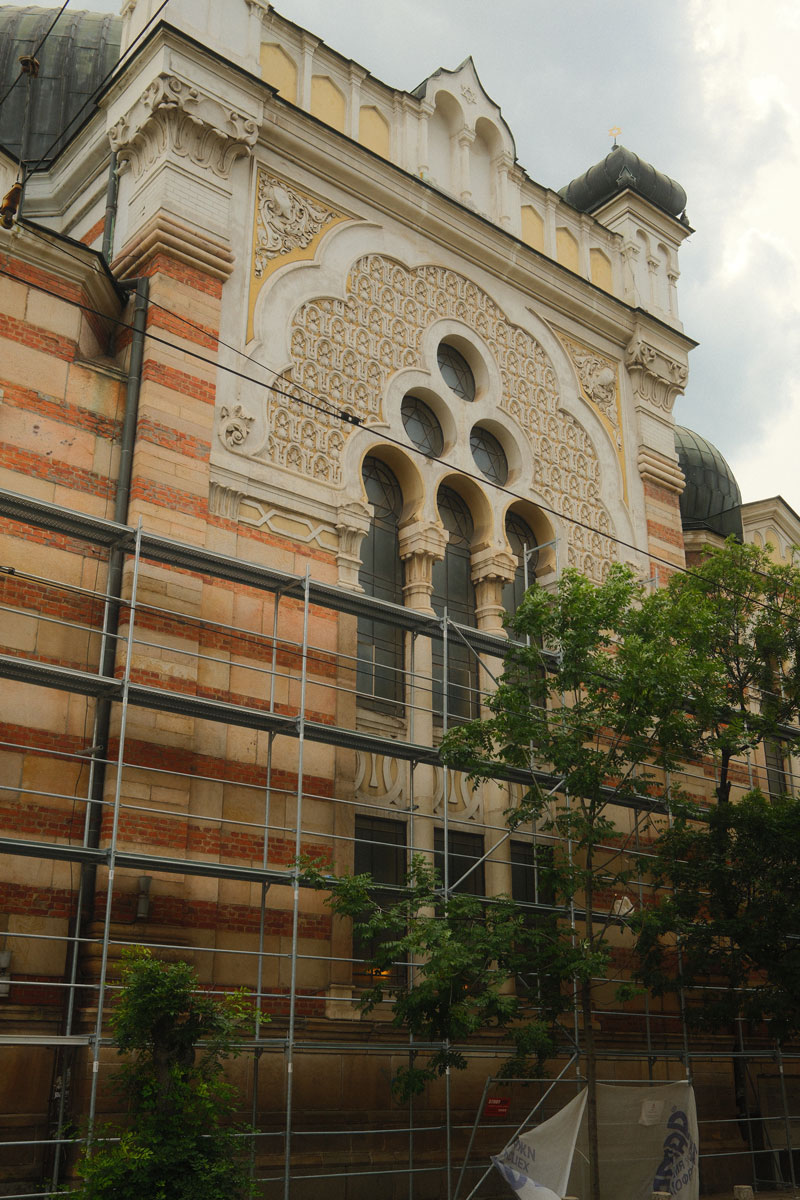
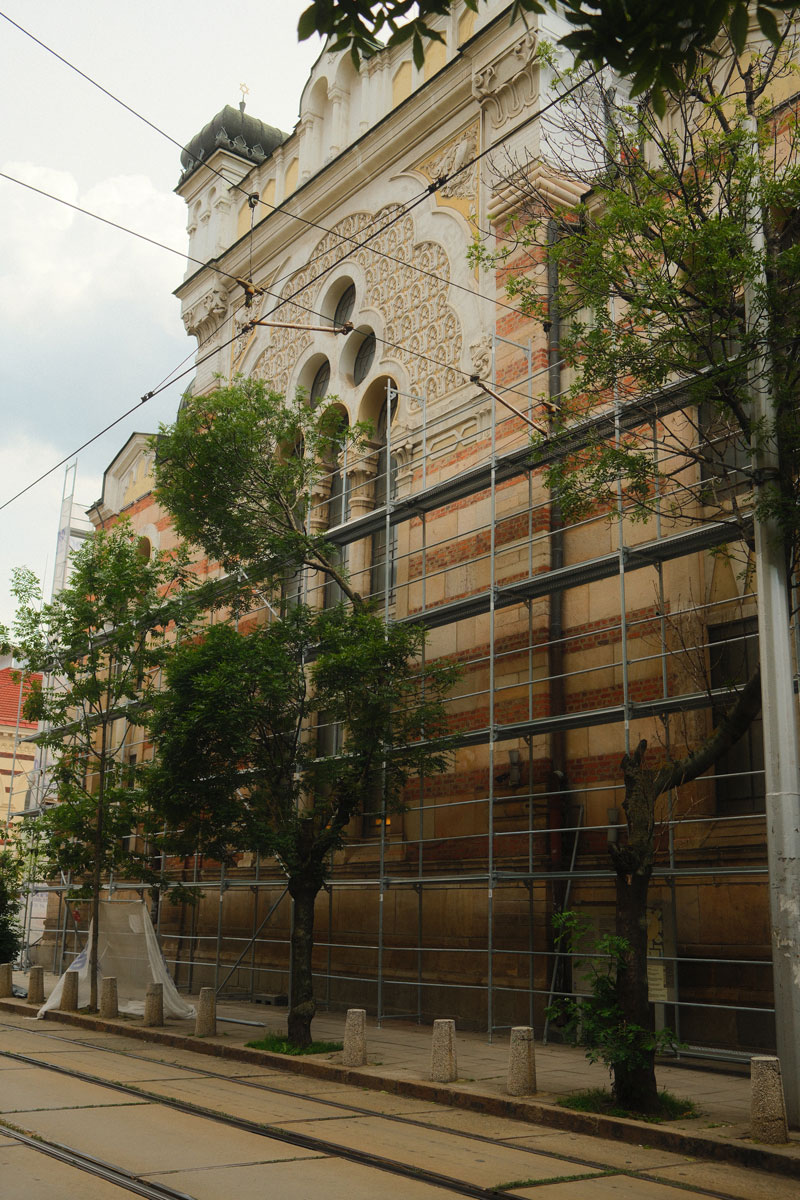
Sofia Synagogue is only a short walk from the mosque and the Central Mineral Baths. During my visit, the building seemed to be under restoration, but even from the outside it was impressive to see.
Together with the mosque, Orthodox churches and Catholic church nearby, the synagogue shows how diverse this part of Sofia is. The buildings are remarkably close together, so you can see many different religious places in a short time.
Tip: See the synagogue mainly as part of the broader walk through this religiously and historically interesting part of Sofia.
Vitosha Boulevard
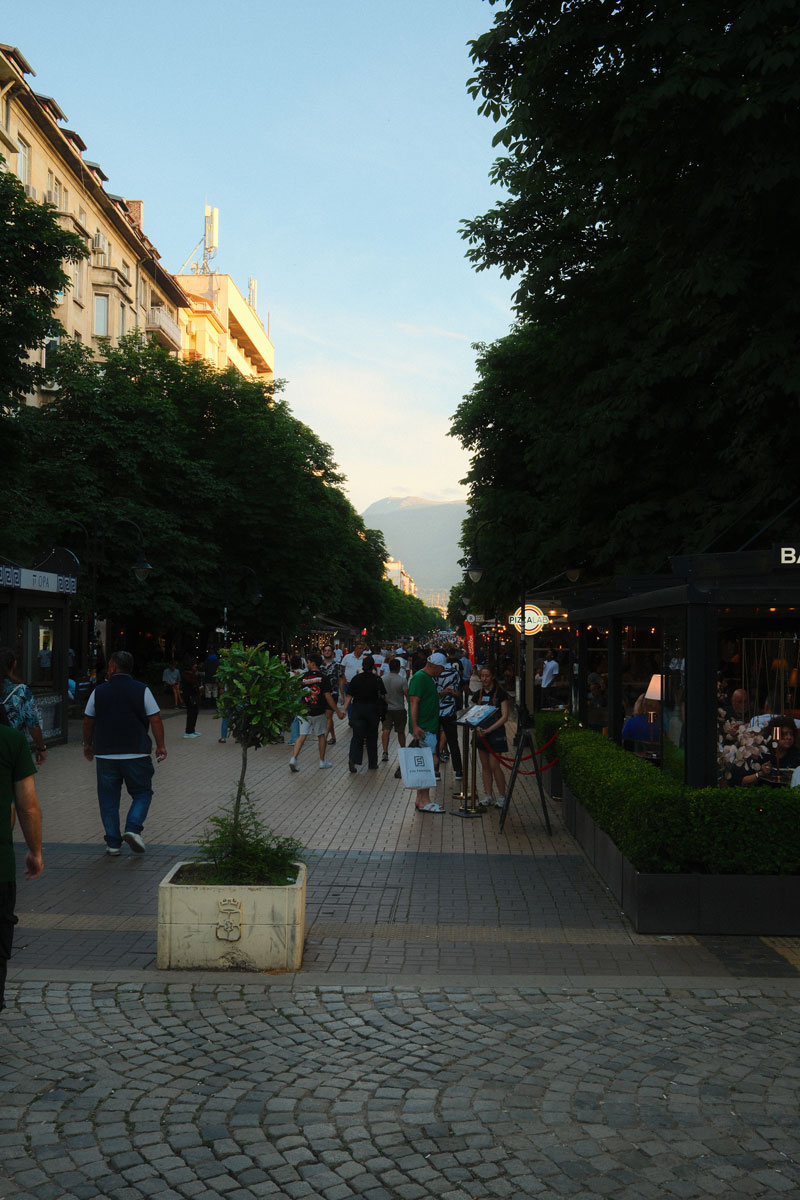
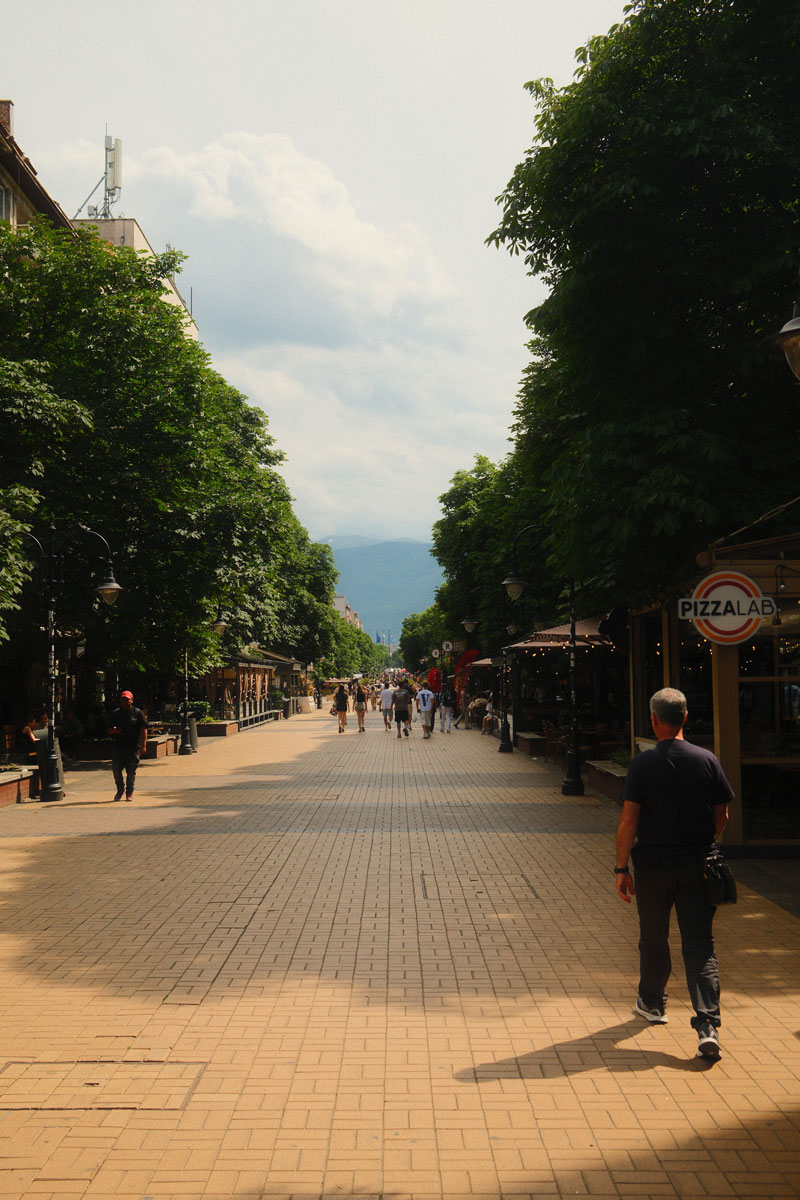
Vitosha Boulevard is Sofia’s best-known shopping street. Here you will find restaurants, terraces, shops, street musicians and, on a clear day, views towards Vitosha Mountain. It is not the most historic place in the city, but it is a good street for soaking up Sofia’s atmosphere.
Vitosha Boulevard is especially enjoyable in the late afternoon and evening. The terraces fill up and the city feels lively without becoming chaotic.
Tip: Save Vitosha Boulevard for a drink or dinner. During the day, it is better to focus on the sights; in the evening, this street is much more atmospheric.
Central Park and NDK
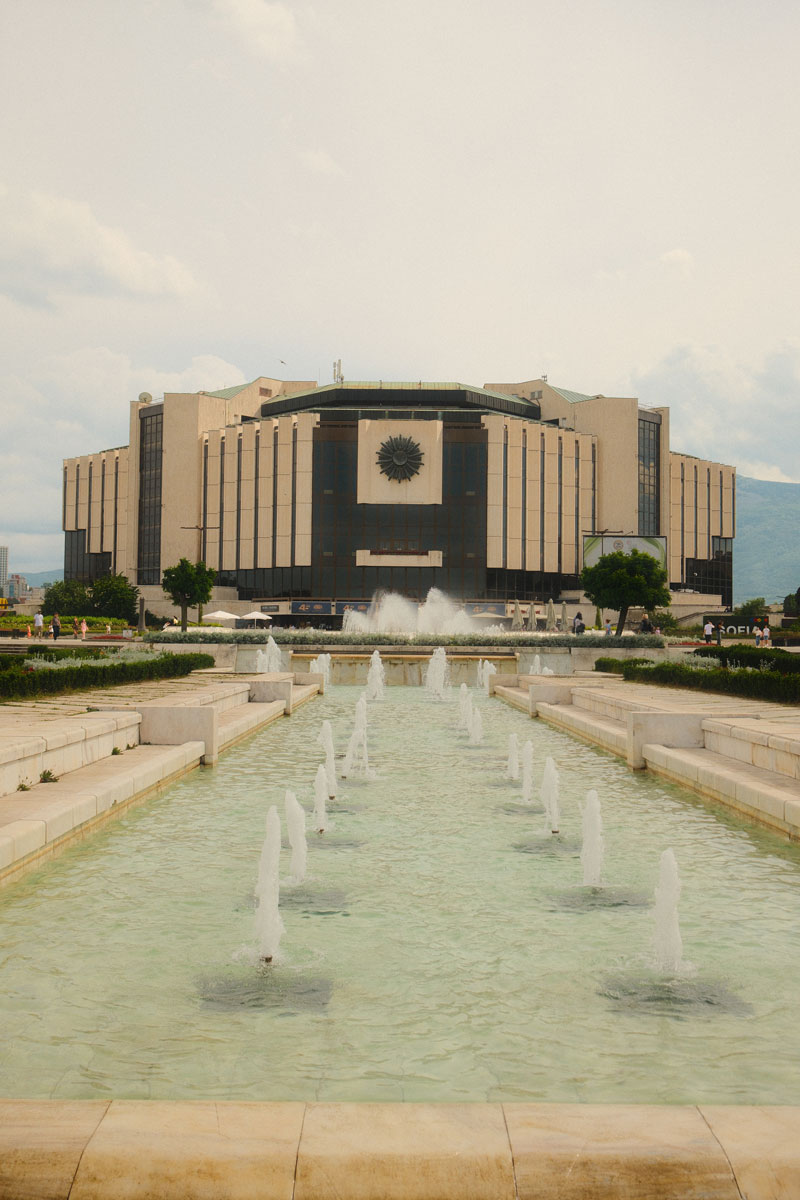
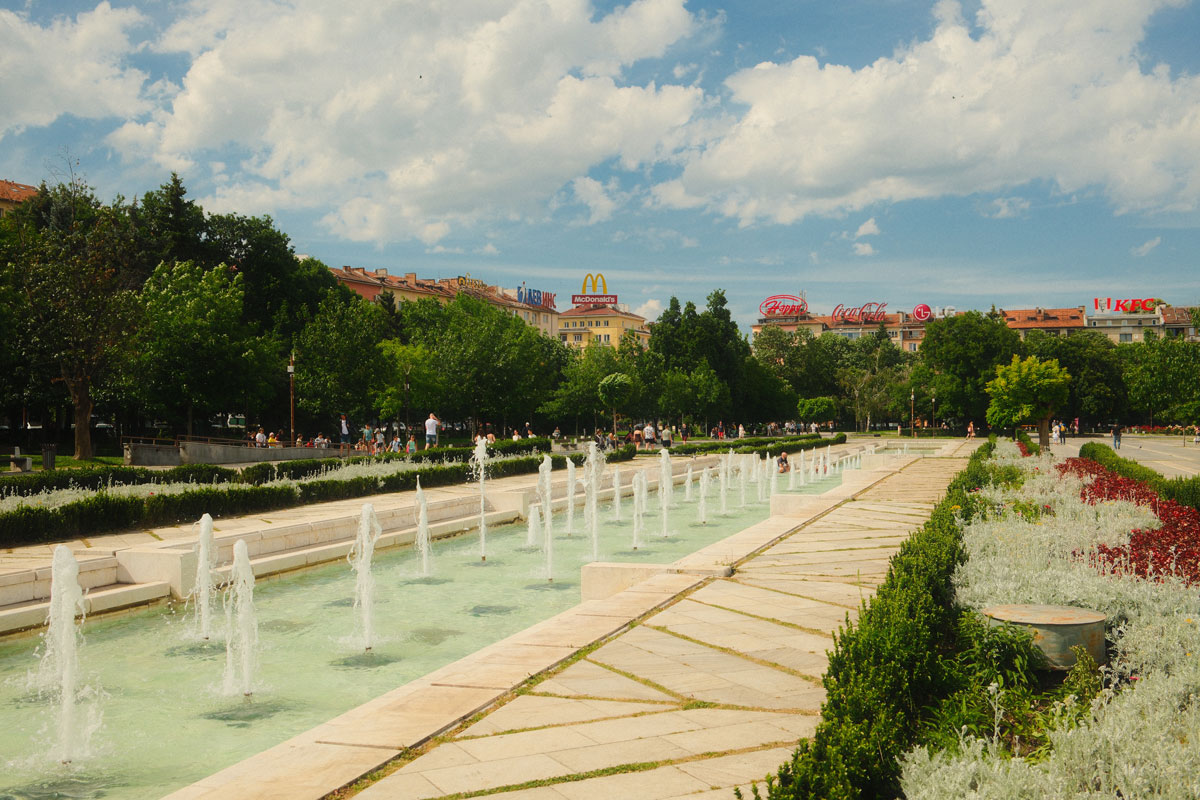
At the end of Vitosha Boulevard, you walk towards Central Park and the National Palace of Culture, usually called NDK. The walk through Central Park is pleasant, especially on a sunny day. You will see many locals, wide paths and space to step away from the busier centre.
NDK itself is not classically beautiful like the cathedral or theatre, but it shows another side of Sofia. The large square, modern lines and spacious layout form a clear contrast with the churches and old buildings in the centre.
Tip: See NDK mainly as a short stop at the end of your walk. The route through Central Park makes this part worth including.
A logical walking route through Sofia
Because many sights are close together, Sofia is very easy to explore on foot. A good route starts at Alexander Nevsky Cathedral. After that, include the small market, Saint Sofia Church, Sofia University, the National Library and St. Clement of Ohrid Garden.
Then walk via the Russian Church and the National Art Gallery towards the Ivan Vazov National Theatre and City Garden. From there, you can continue to Shishman Street and the Temple of the Seven Saints.
After that, walk towards St. George Rotunda, St. Nedelya, Serdica and the Ancient Serdica Cultural Complex. Then include Banya Bashi Mosque, the Central Mineral Baths, the mineral water fountains and Sofia Synagogue. End your day on Vitosha Boulevard or continue through Central Park to NDK.
This route is quite full, but not complicated. You can do it in one long day if you like to see a lot, but with two days it feels much more relaxed. Sofia is especially enjoyable when you take time for coffee, photos and breaks in the parks along the way.
Day trip from Sofia: Rila Monastery
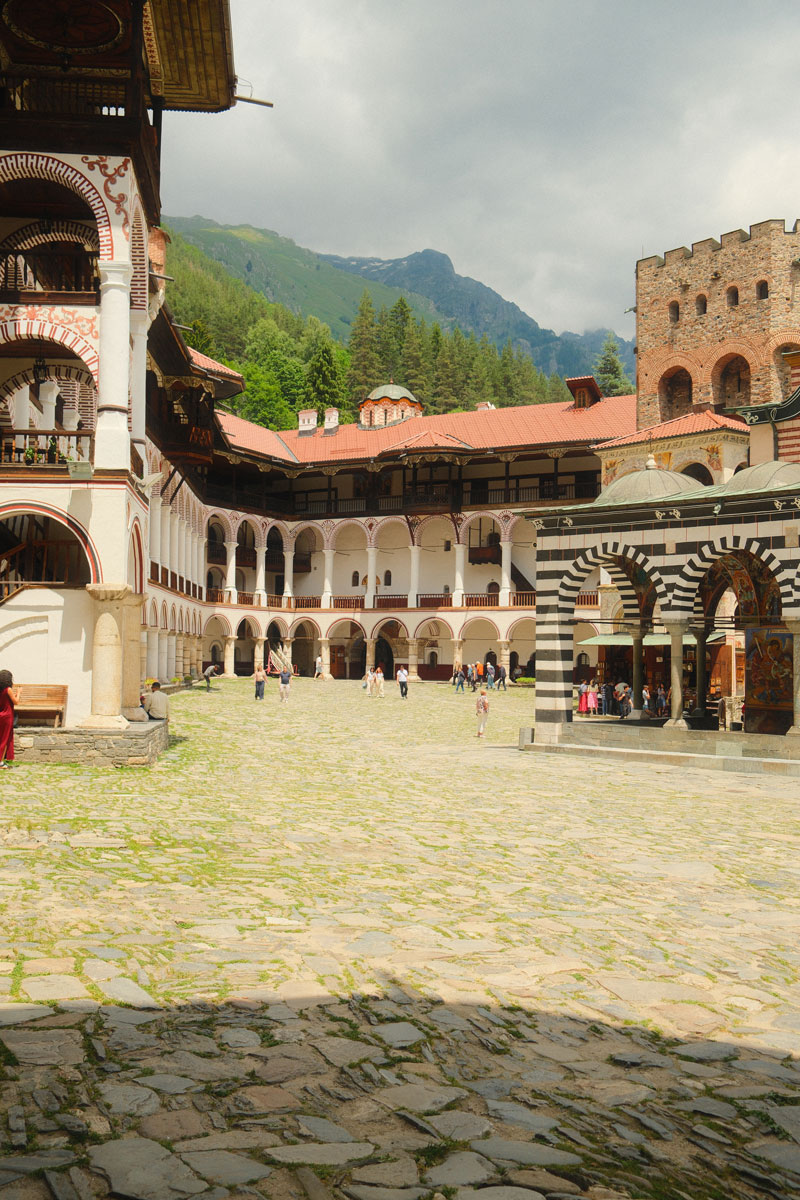
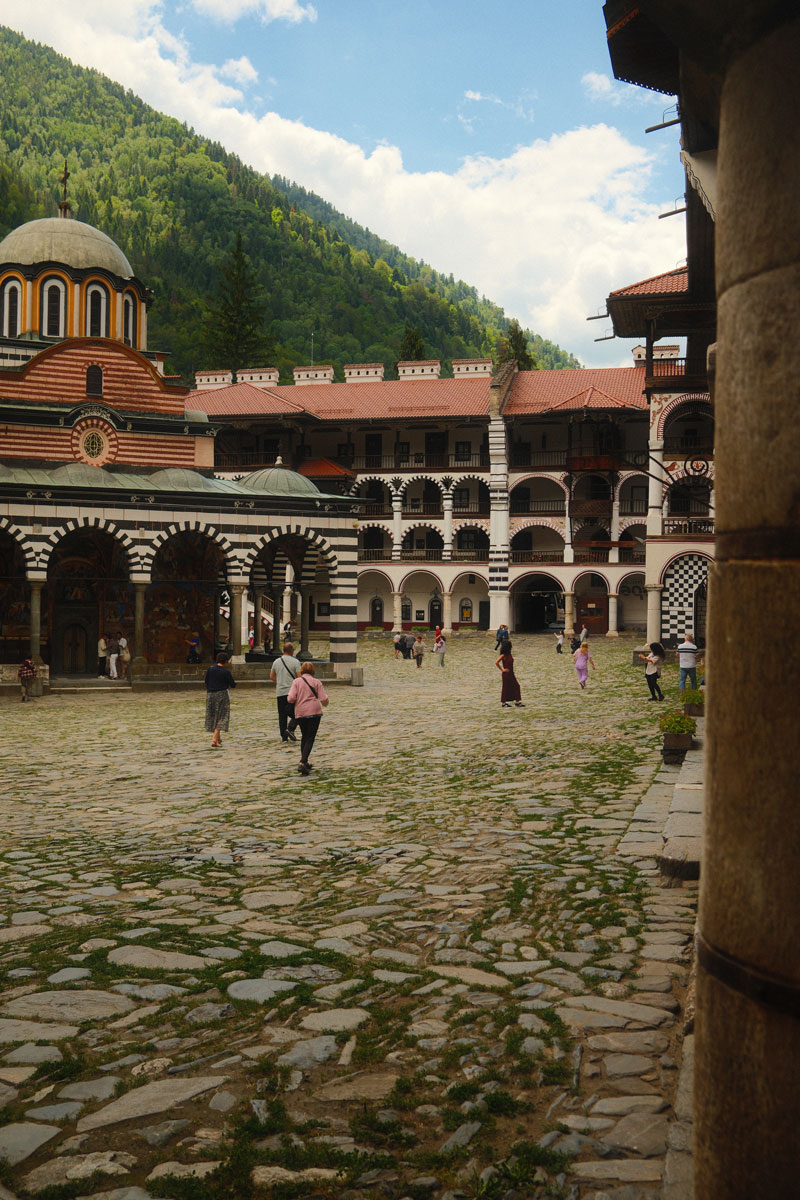
If you have an extra day besides Sofia itself, Rila Monastery is one of the most beautiful day trips from the city. The monastery is located in the mountains and is known for its black-and-white arches, colourful frescoes, wooden galleries and impressive setting.
Because Rila Monastery is not in the city, an organised day tour is an easy option. Especially if you are only in Bulgaria for a short time, it is convenient to have transport and planning arranged for you. Many tours combine Rila Monastery with Boyana Church, allowing you to visit two special places outside Sofia in one day.
Read about our experience at Rila Monastery here
Our favourite places to stay in Sofia
For a city break in Sofia, I would choose a hotel in or close to the centre. You will get much more out of your days because you can do almost everything on foot. The areas around Alexander Nevsky Cathedral, Crystal Garden, City Garden, Serdica and Vitosha Boulevard are especially convenient.
My base: Central Point Boutique Hotel
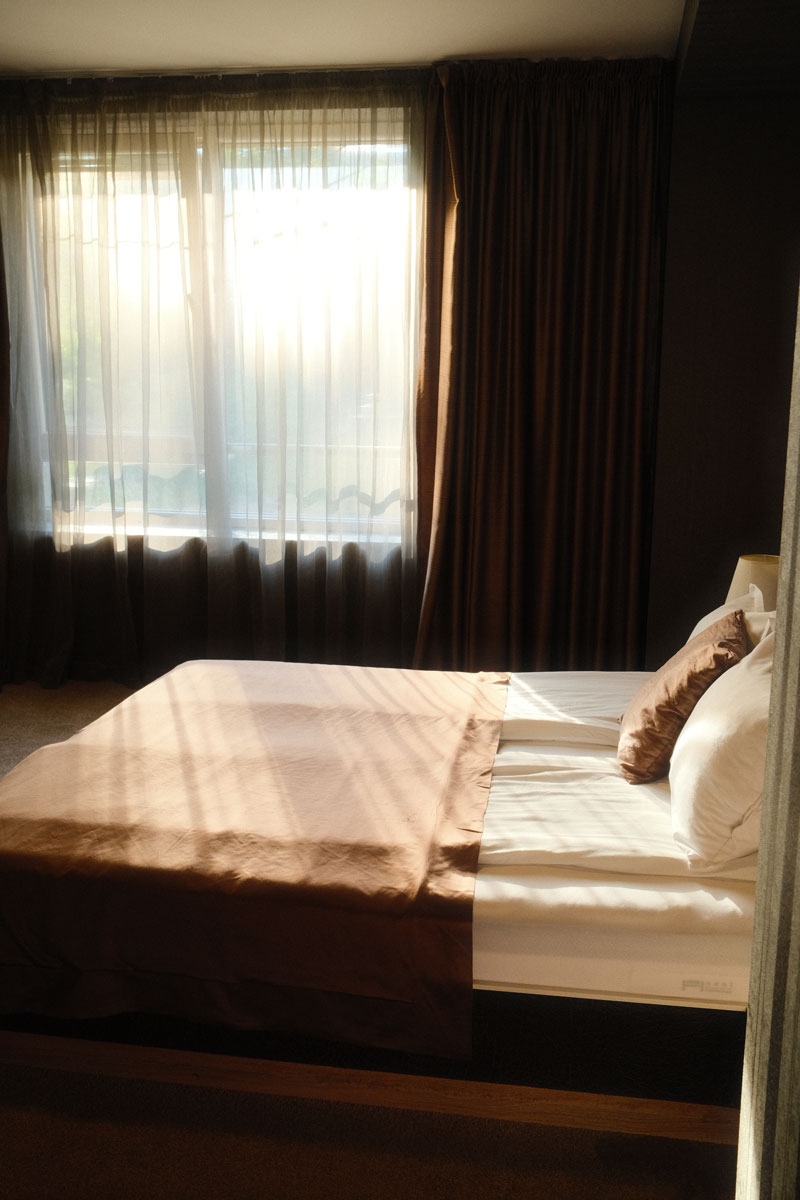
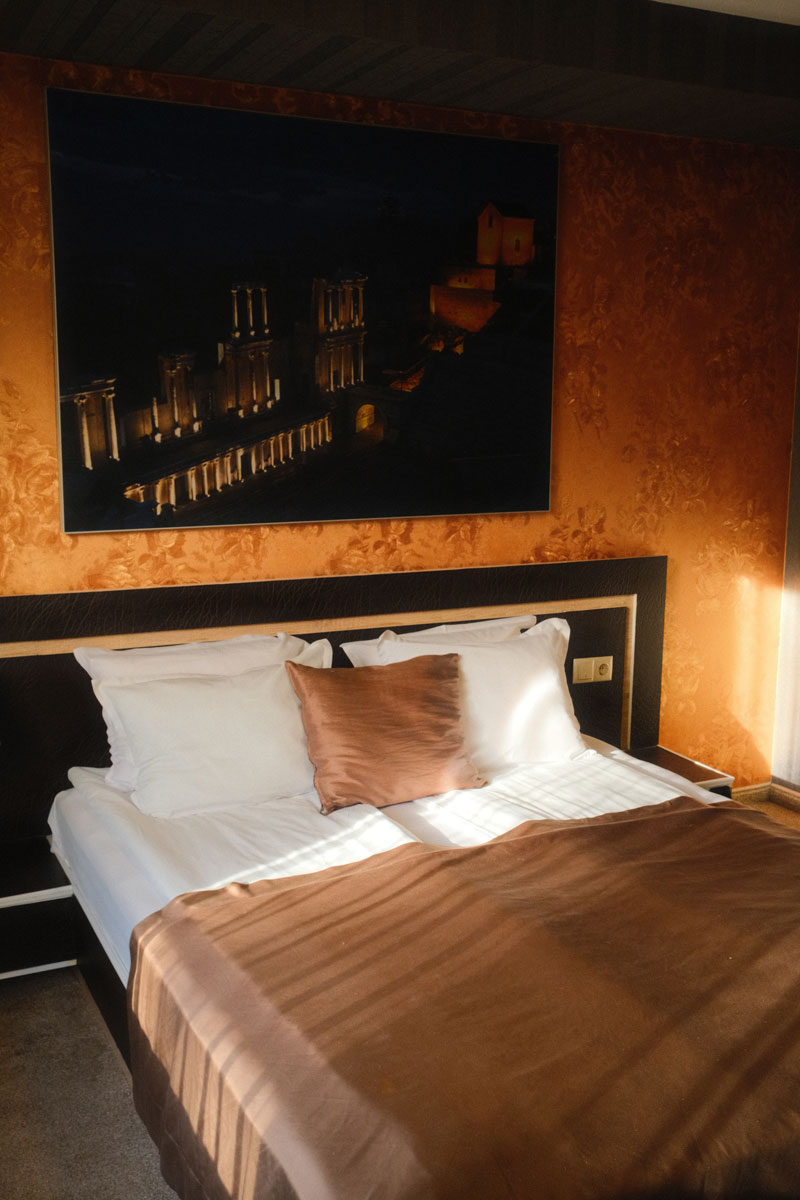
I stayed at Central Point Boutique Hotel and found the location ideal. The hotel is opposite Crystal Garden and very central for many of Sofia’s sights. You can easily walk to Alexander Nevsky Cathedral, the Russian Church, City Garden, the Ivan Vazov National Theatre and Sofia University.
The rooms are spacious and the location is especially practical if you want to discover Sofia on foot. You are in a quiet enough spot, but still right in the part of the city where you will probably spend most of your time as a visitor.
View Central Point Boutique Hotel on Booking.com
Extra central on Vitosha Boulevard: Les Fleurs Boutique Hotel
If you would rather stay directly on Sofia’s best-known street, Les Fleurs Boutique Hotel is a good option. This hotel is located on Vitosha Boulevard, so restaurants, shops and terraces are right outside the door.
This is especially convenient if you like going out for dinner or drinks in the evening without having to walk far back to your hotel.
Comfortable and central: COOP Hotel Sofia
COOP Hotel Sofia is a good choice if you want to stay centrally and prefer a comfortable hotel with a slightly more classic look. The location is convenient for the old centre, Serdica, the cathedral and several churches.
For travellers who want to do a lot on foot, but do not necessarily want to sleep on the busiest boulevard, this is a nice option.
Central Point Boutique Hotel
Bekijk prijzen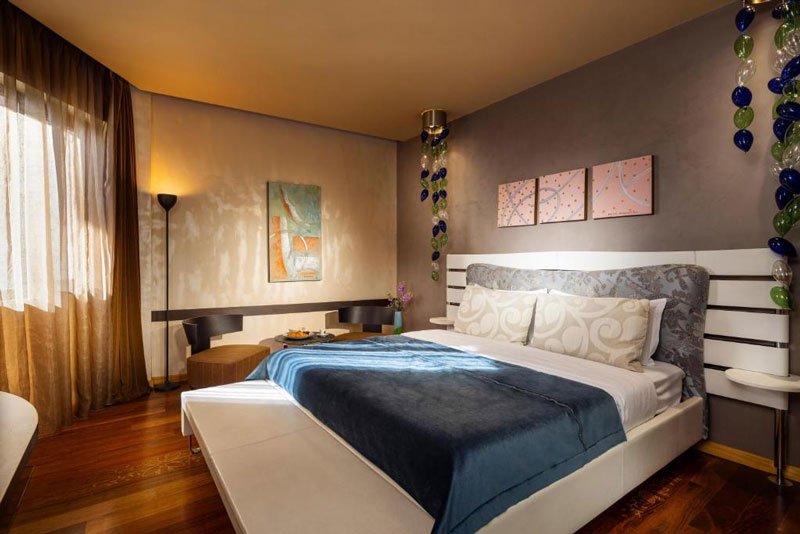
Les Fleurs Sofia
Bekijk prijzen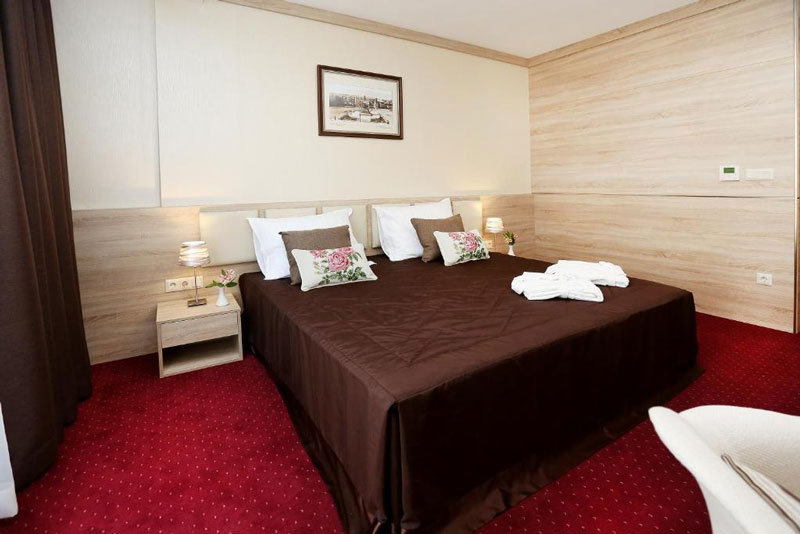
Hotel COOP Sofia
Bekijk prijzenHow many days do you need in Sofia?
For Sofia, I would recommend at least two full days. You can see many of the highlights in one day, but then you will probably miss the relaxed atmosphere that makes the city so enjoyable. With two days, you have enough time for the main sights, a few parks, Vitosha Boulevard, Serdica and a relaxed dinner.
If you have three days, you can use one day for Rila Monastery. That makes your trip more varied, because besides the city you also get to see something of Bulgaria’s mountains and religious history.
Is Sofia worth visiting?
Yes, Sofia is definitely worth visiting if you enjoy an affordable, compact and relaxed city break. Do not expect a city where every street is perfectly polished. Instead, expect a destination with character. Sofia has grand cathedrals, Roman ruins, green parks, lively terraces, friendly prices and a city centre that is easy to explore on foot.
The city feels sunny, young and accessible. You can see a lot here without rushing. Start your day at Alexander Nevsky Cathedral, walk past the university and parks, explore the ruins at Serdica, have a drink on Vitosha Boulevard and let yourself be surprised by the small places you had not planned in advance.
For a long weekend, Sofia is just right: surprising, affordable, atmospheric and a little different from the standard European city breaks.